Chivers Hill to Gannons Park to Heinrich Reserve to Chivers Hill

moderate 4.2 km 11 Points of Interest

Summary

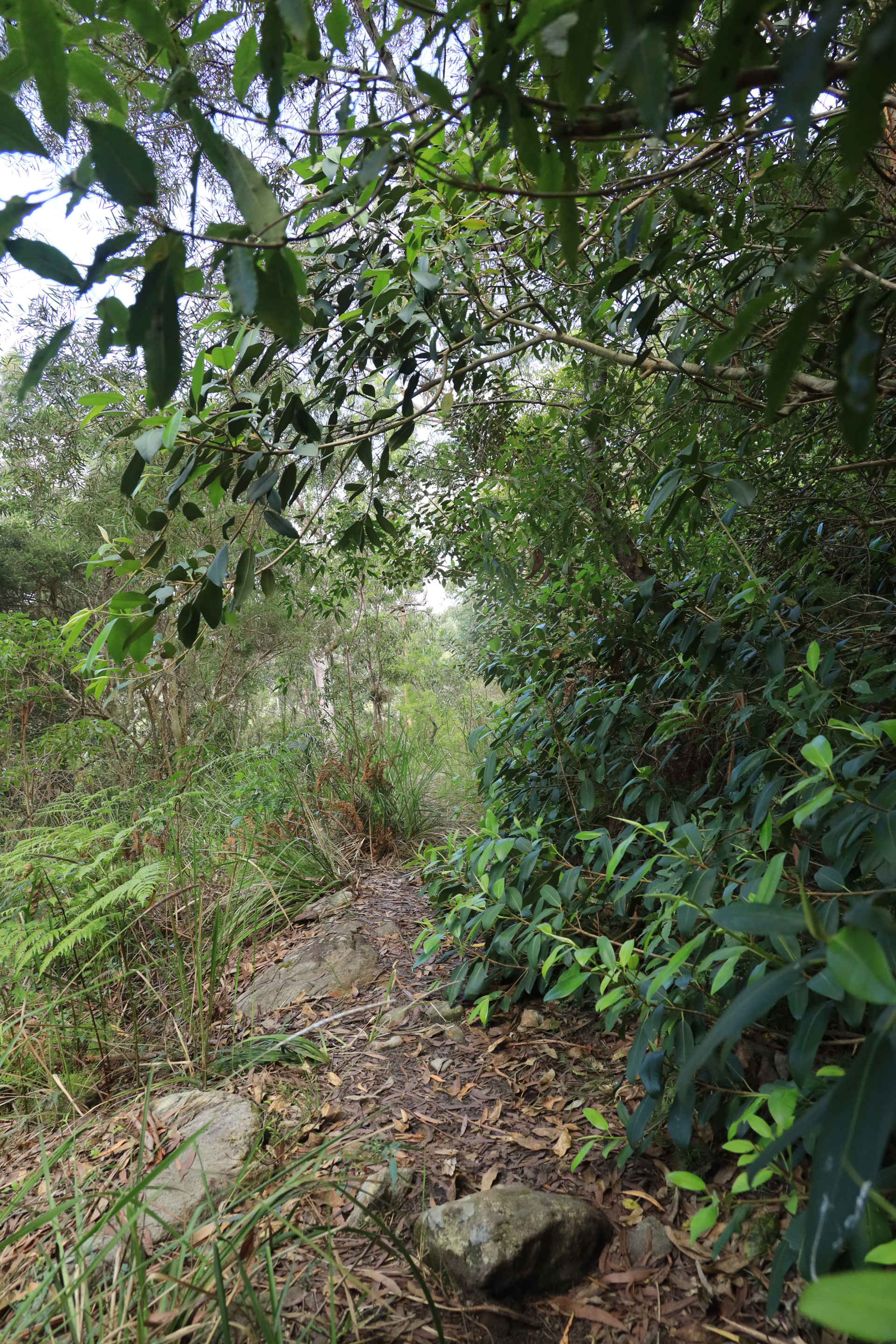
A pleasant loop bushwalk with some undulating parts of the track along the foreshore.

About This Walk

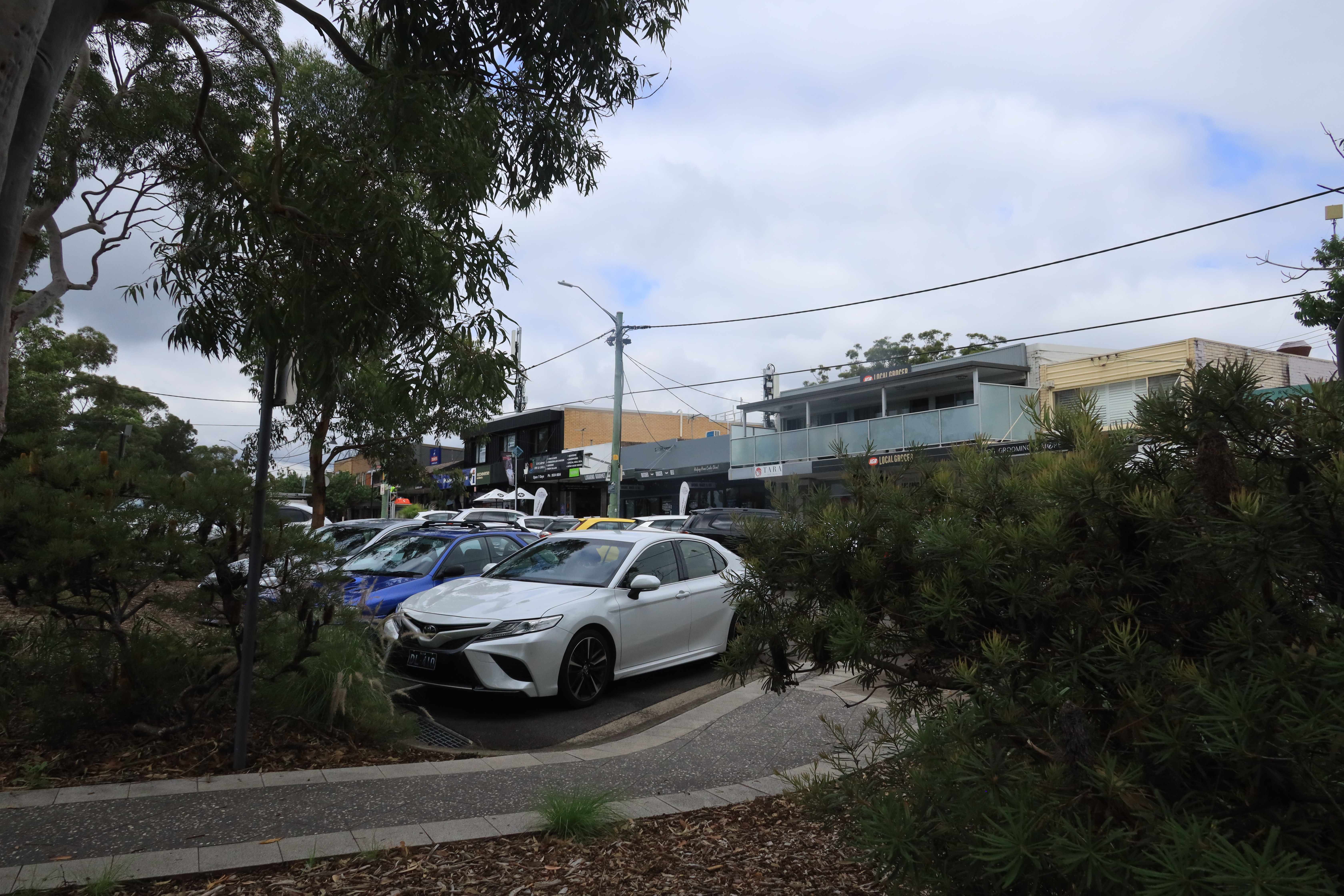
This bushwalk is a loop. Start the history walk behind Lugarno Post Office at Chivers Hill shops at the stone gates of The Haven (on Grandview Crescent). You will eventually walk past Chivers Hill shops and then cross Forest Road and go down Bottlebrush Avenue and left into Boatwright Avenue.  You then turn into the lower southern carpark at Gannons Park.

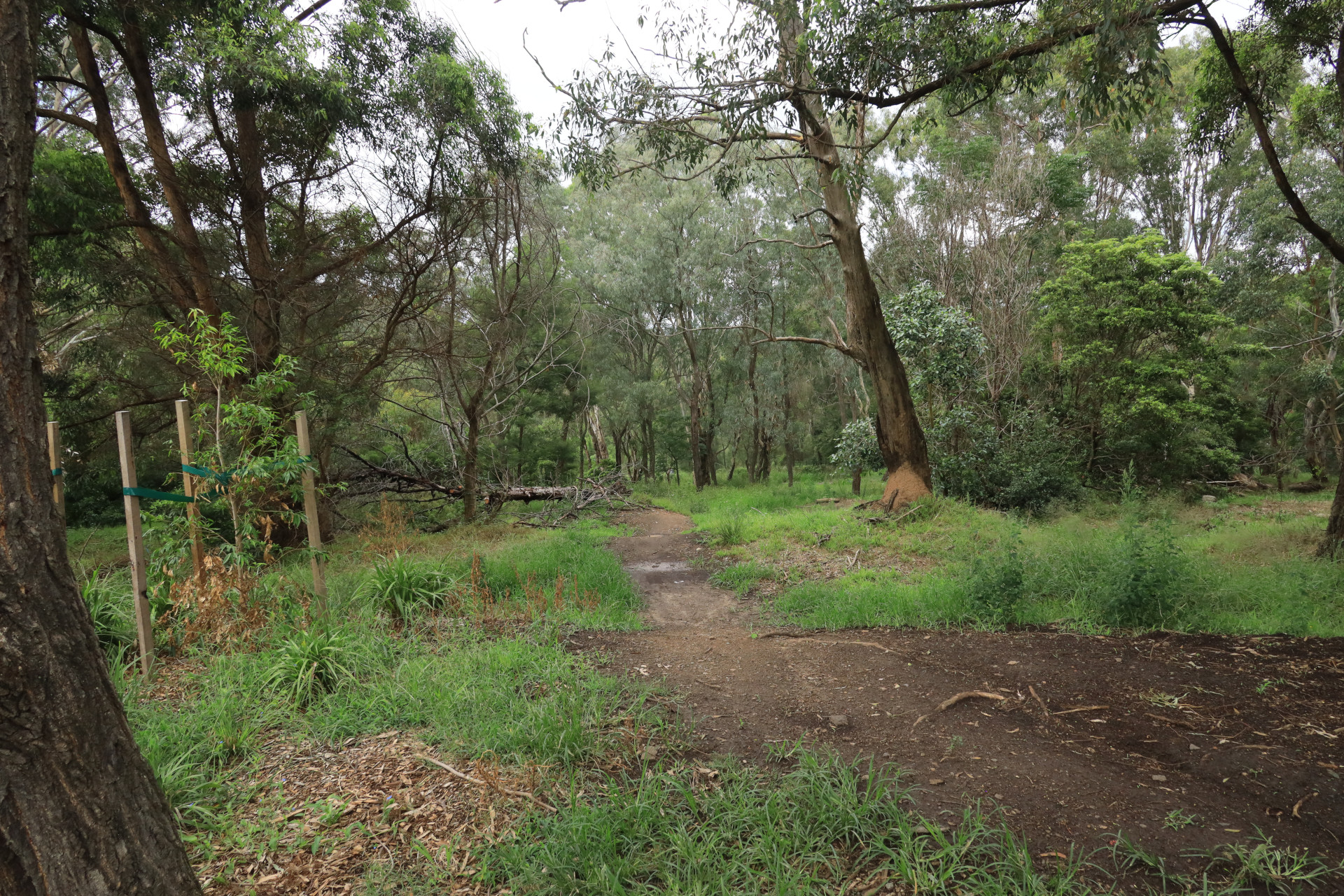
At the end of this carpark you have a choice of 2 tracks to take veering towards the right and going down into lower Gannons Park.

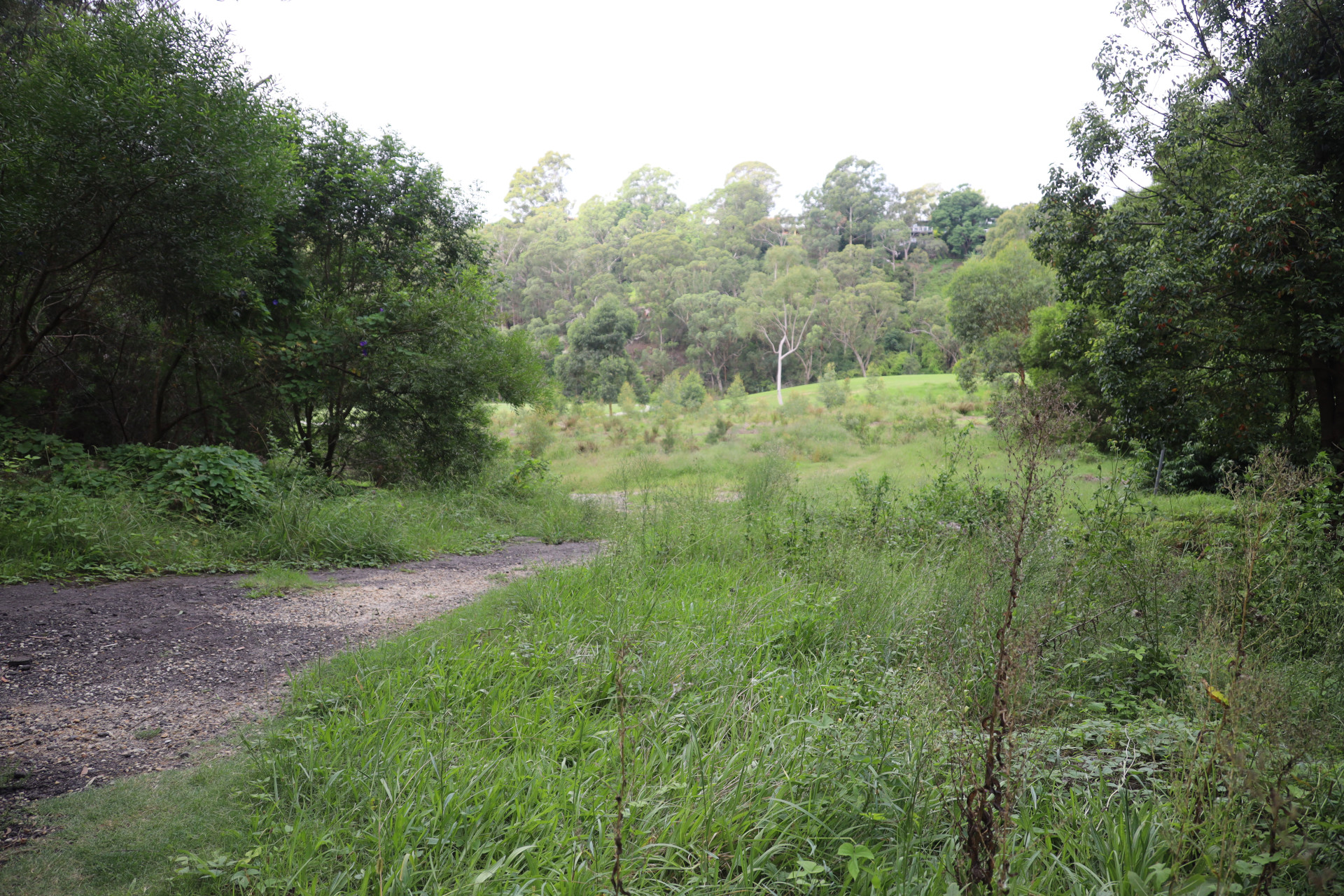
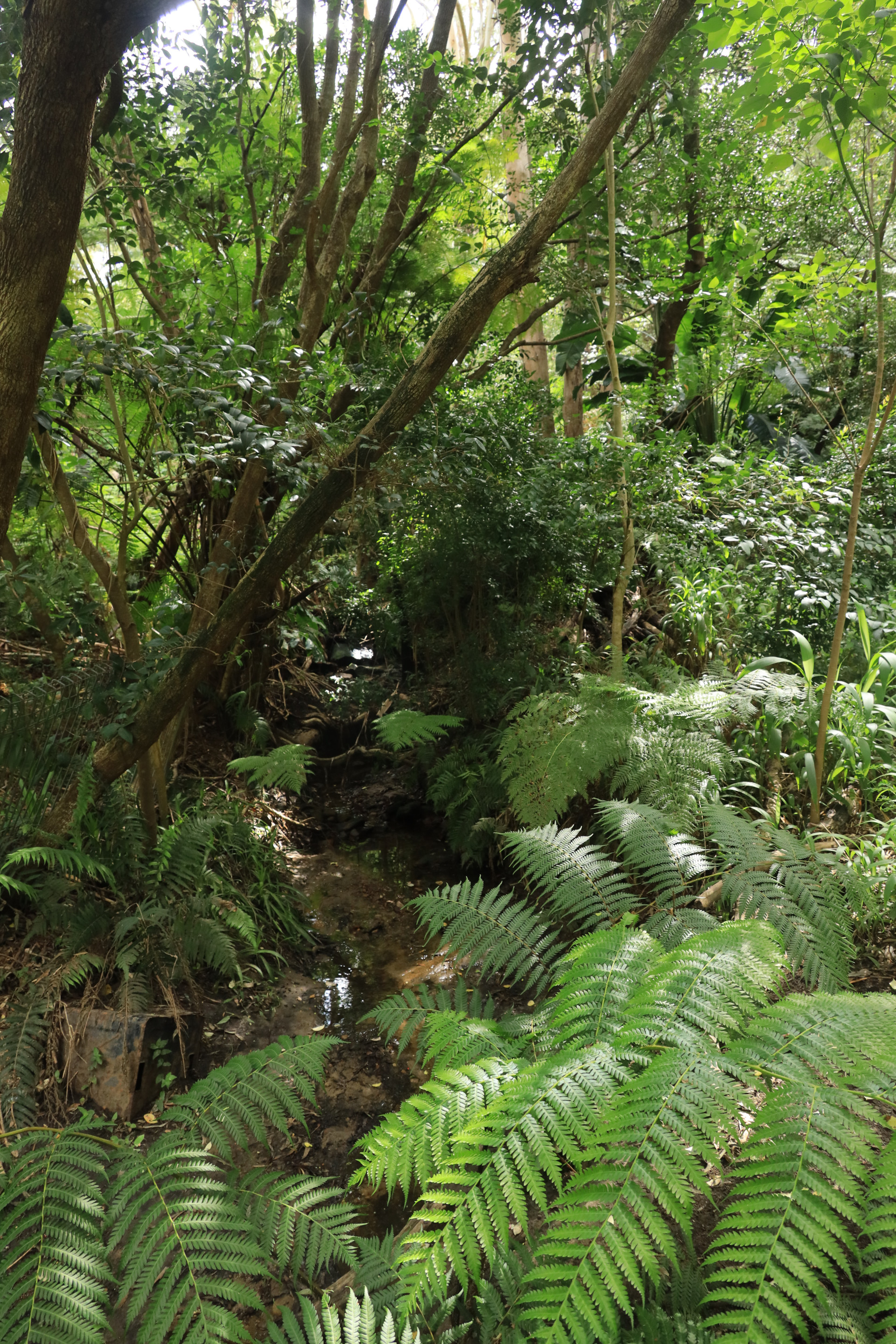
The Georges River Council has recently implemented a stormwater harvesting scheme, with new wetlands and raingardens and a large storage pond.  The boardwalk and path connect upper and lower Gannons Park.  This project continued the restoration of upper Boggywell Creek which was buried under tonnes of rubbish in the 1960s.  The harvested stormwater from the new pond is treated and supplied to upper Gannons Park for irrigation of the sportsfields. You will see many plantings of native plants as you walk down this track to lower Gannons Park. 

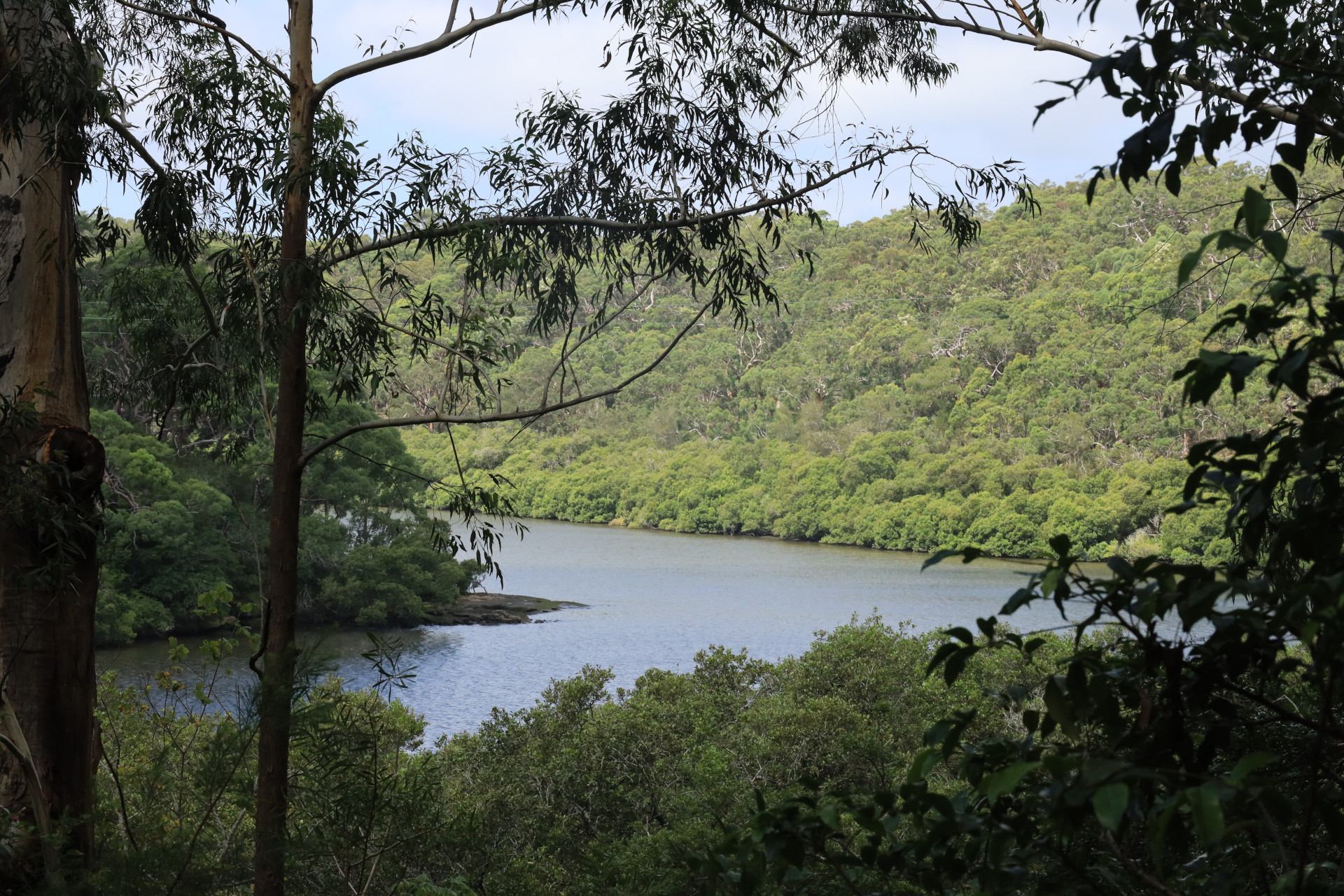
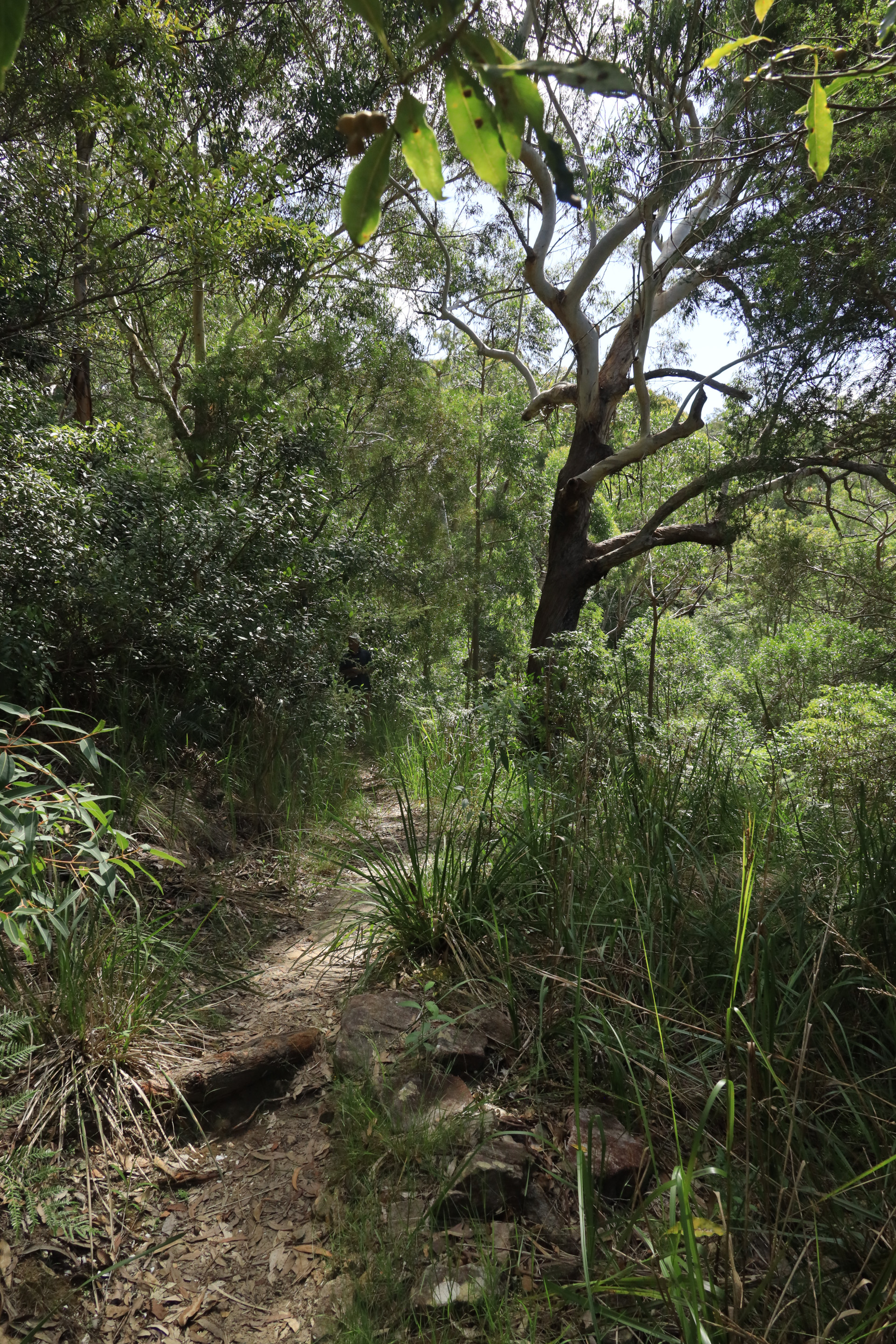
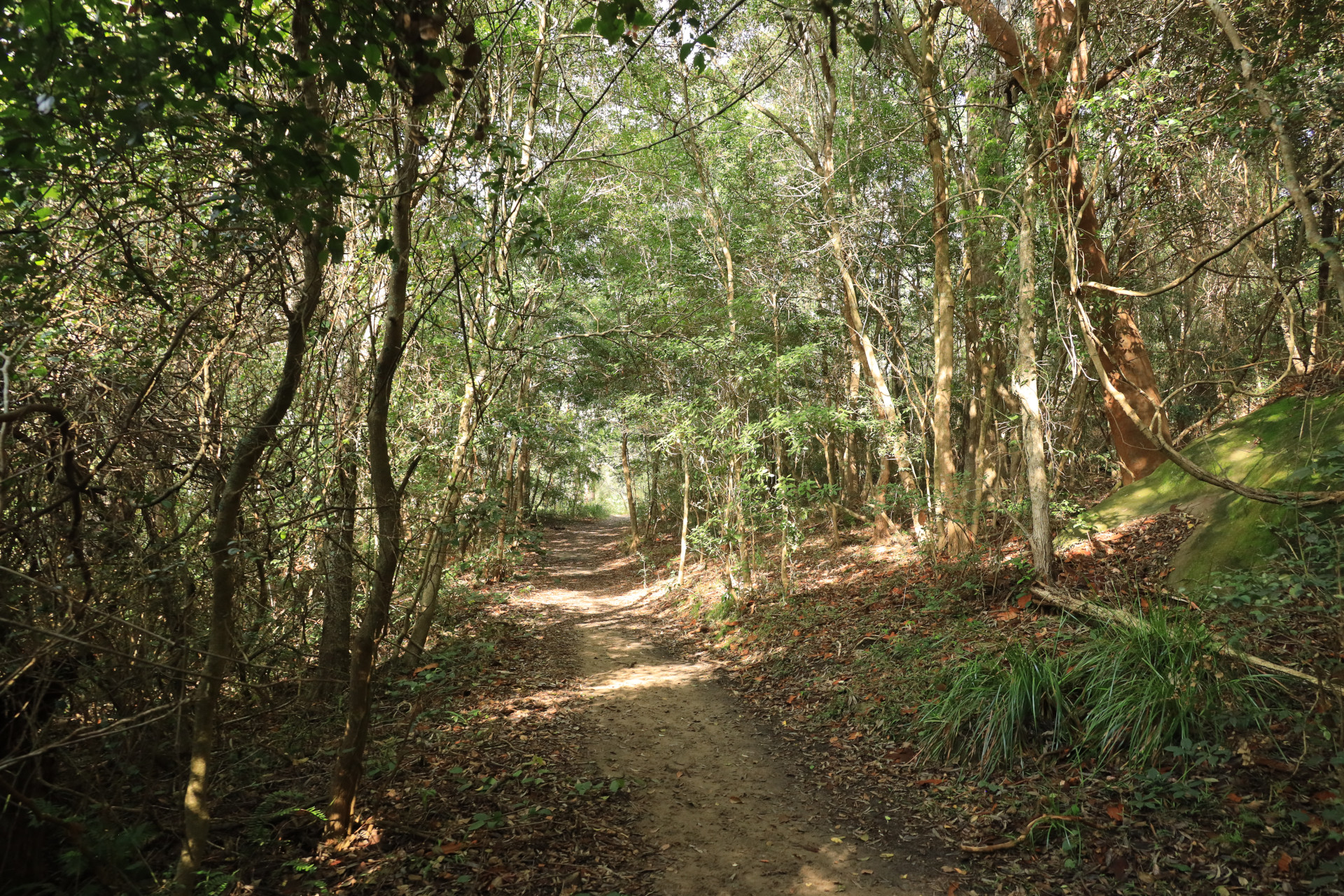
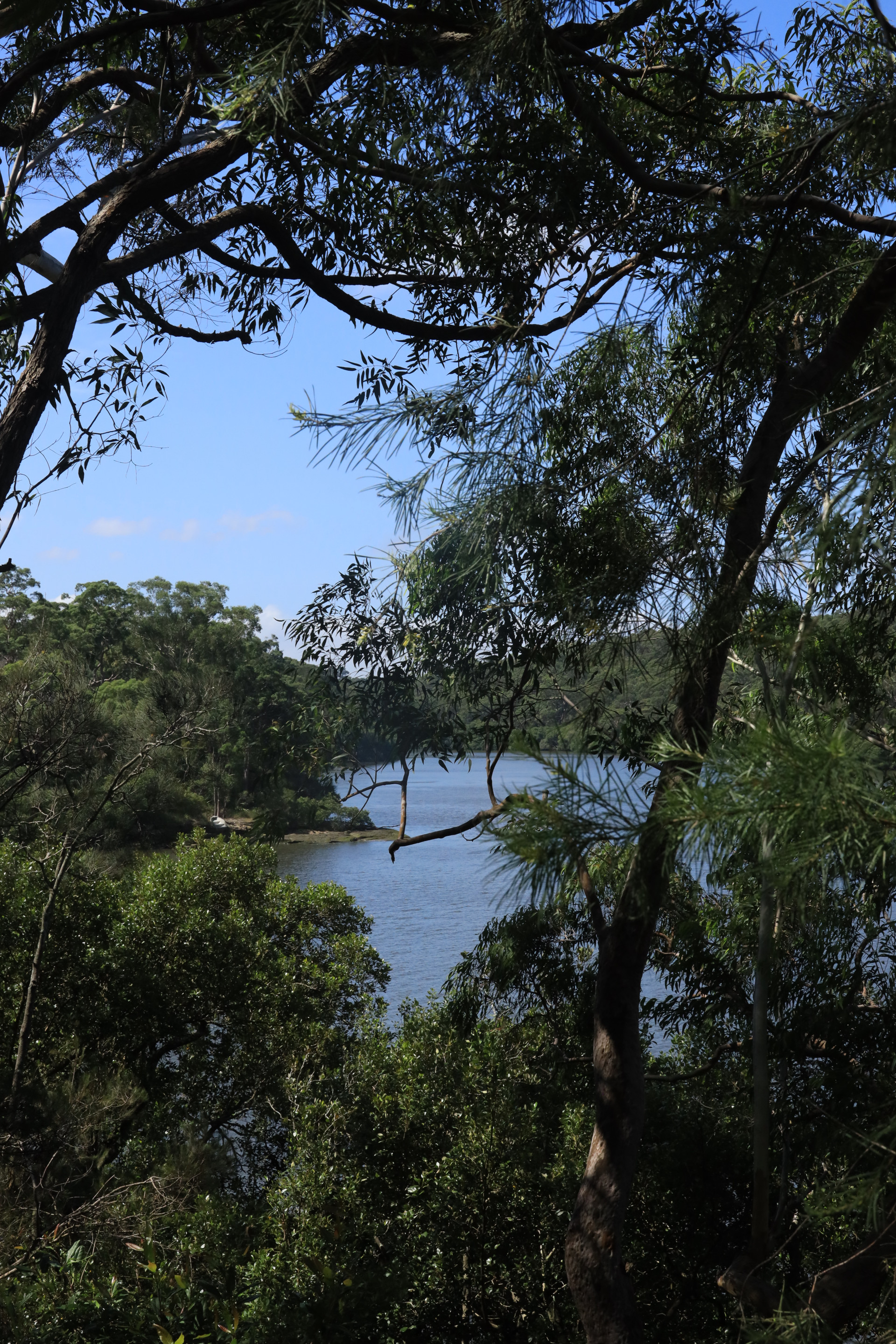
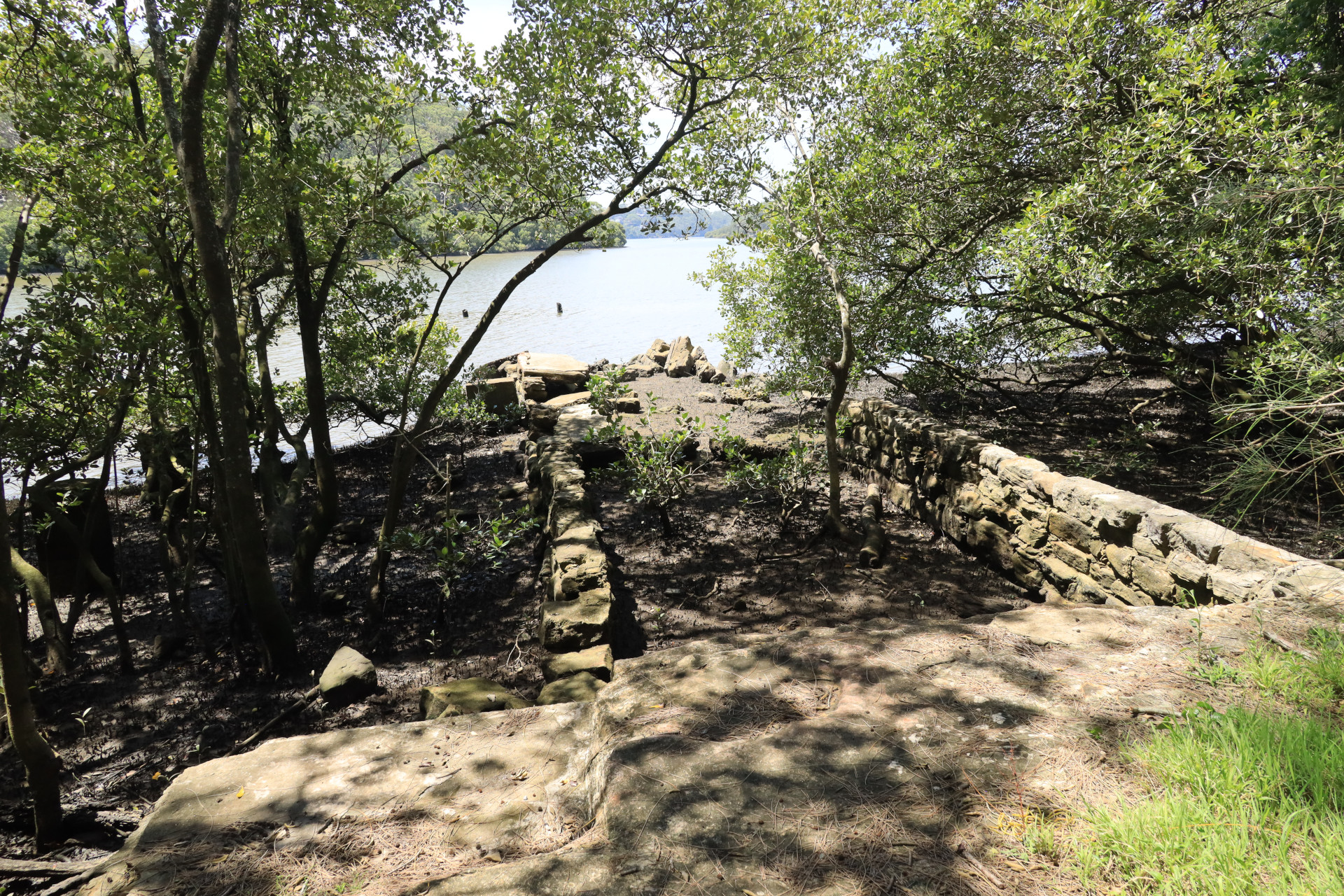
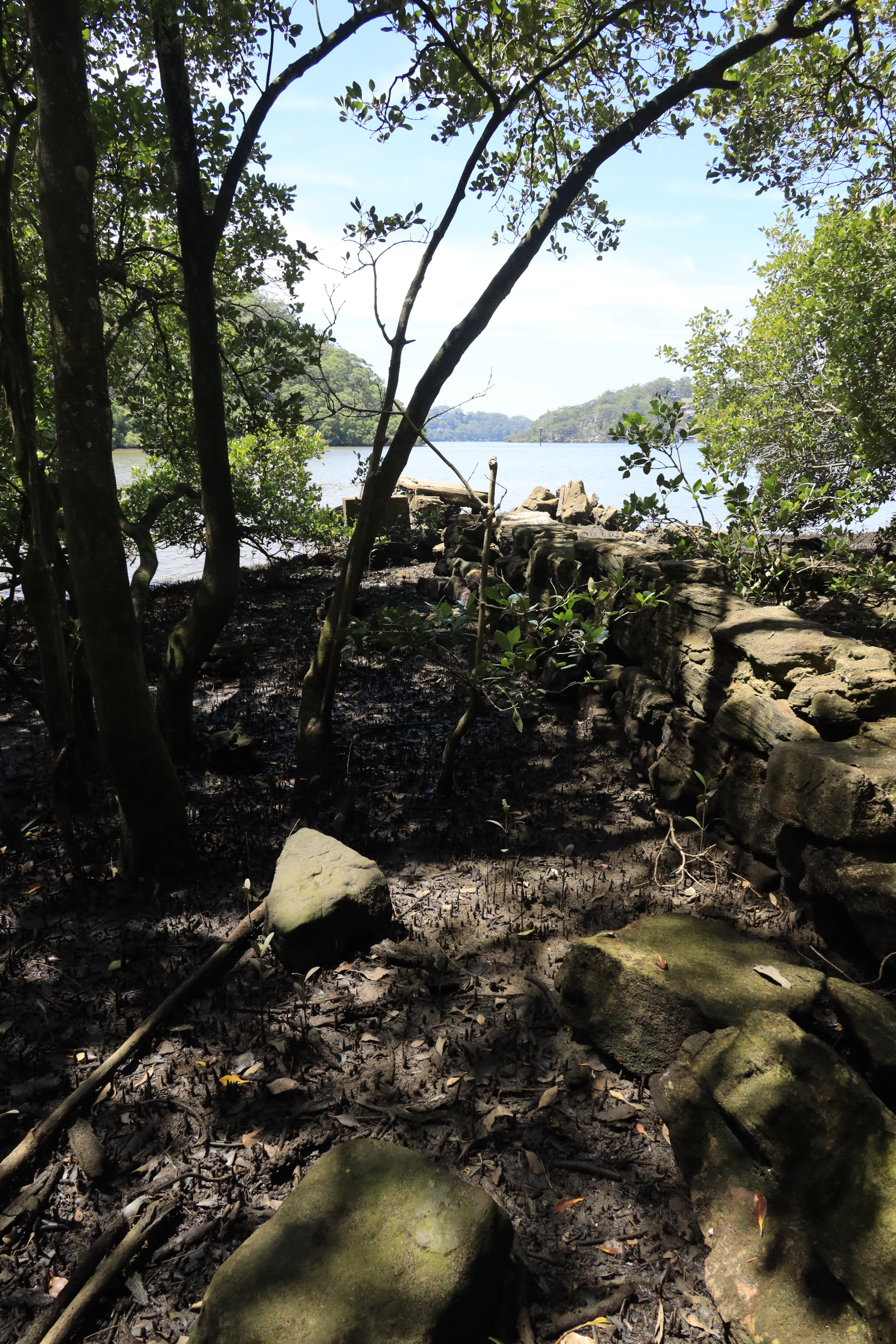
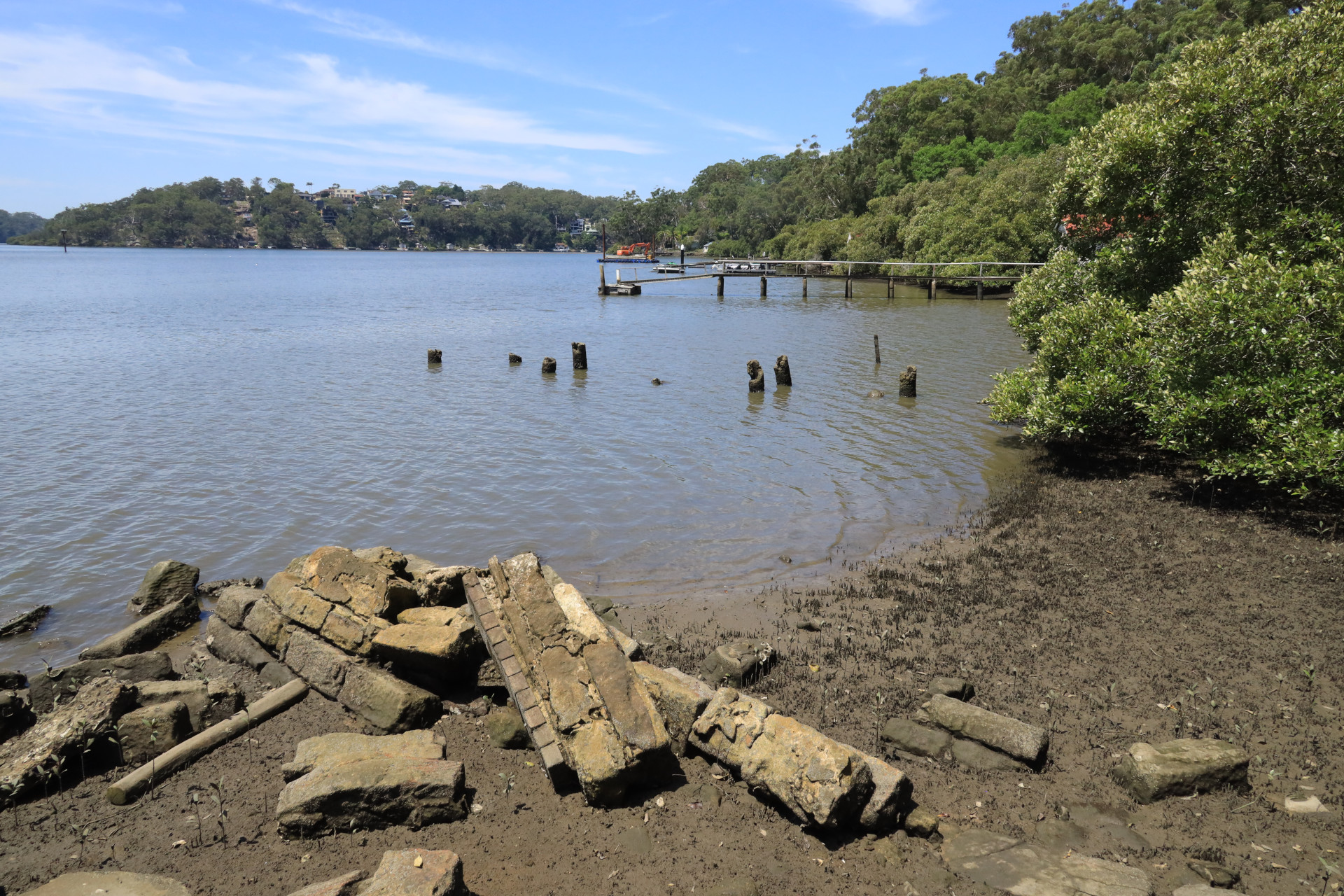
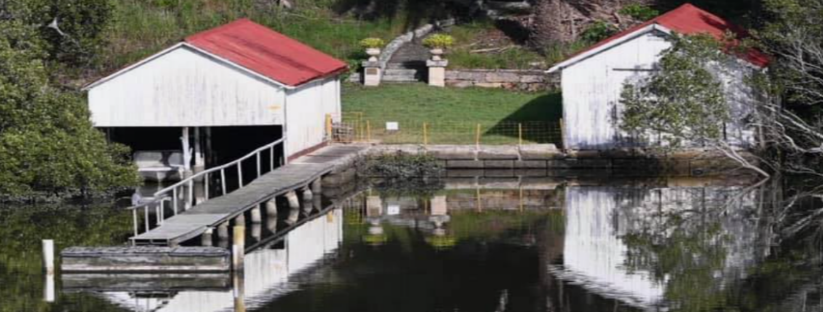
There is a track along Lime Kiln Bay. Continue on from lower Gannons Park to a fire trail which takes you along Lime Kiln Bay to Heinrich Reserve. Along the track you will see the remains of jetties and oyster leases, and across to Oatley Park.

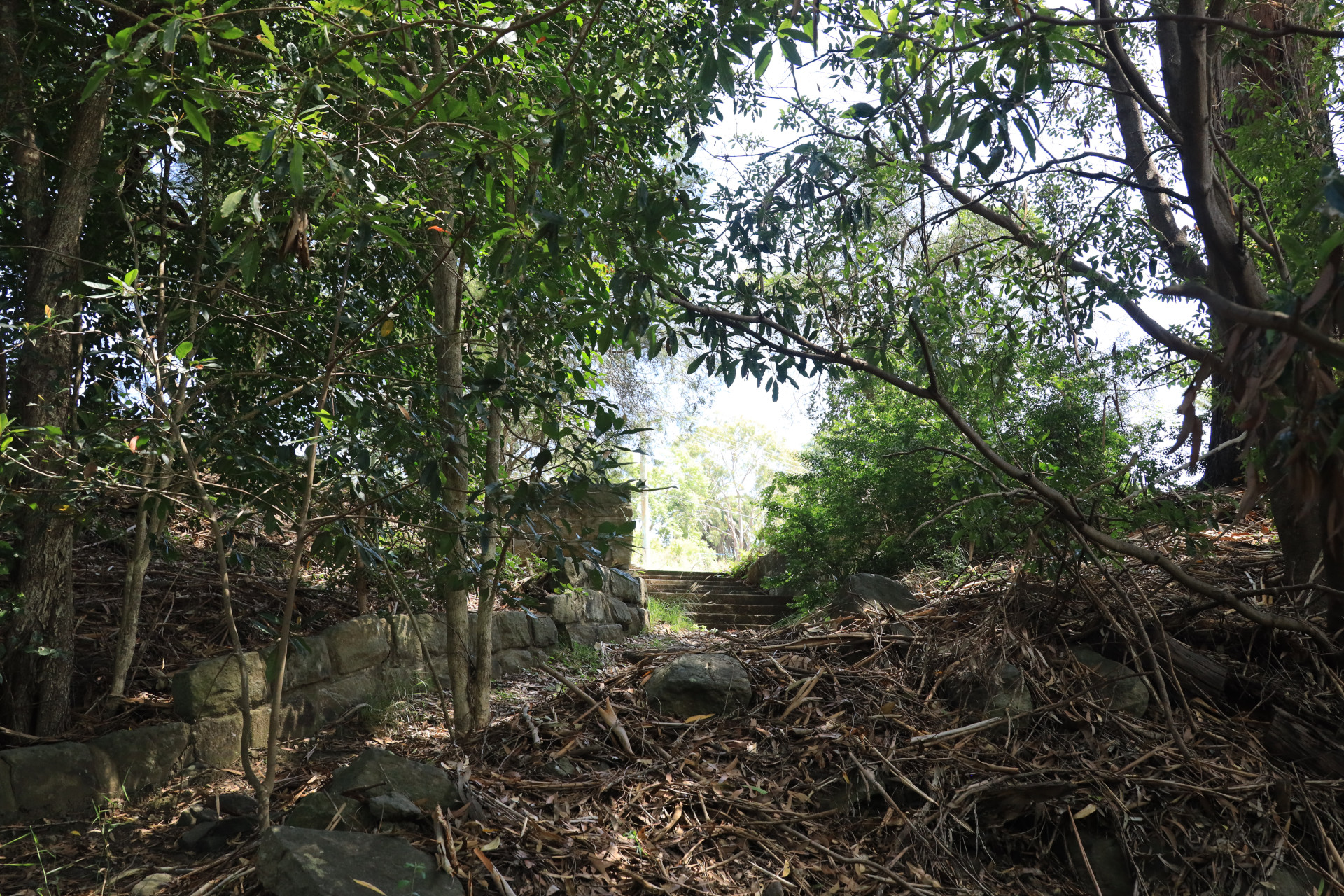
At the end of the track you come to the Heinrich steps, going up to Heinrich Reserve from the mangroves. 

A little further along the track you come to the boundary of Glenlee, which can be viewed better from the road – Bayside Drive. 

The steps lead up to Heinrich Reserve, a lovely place for a picnic with great river views and to the Heritage Precinct.

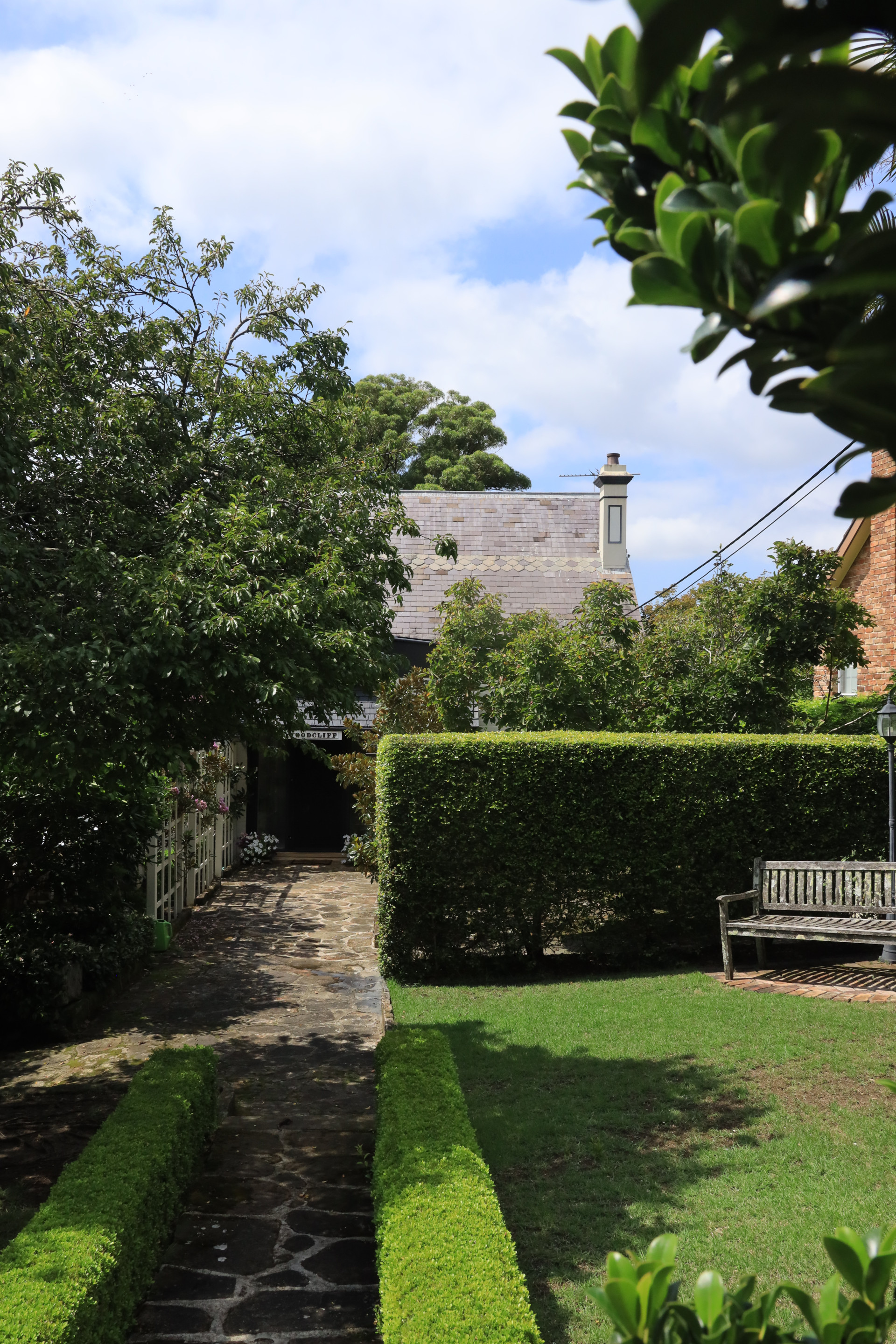
From Heinrich Reserve you can walk back via Jacaranda Avenue, Woodcliff Parade where you can see 'Heinrich House', taking a right into Boronia Parade, and right again into Forest Road. 

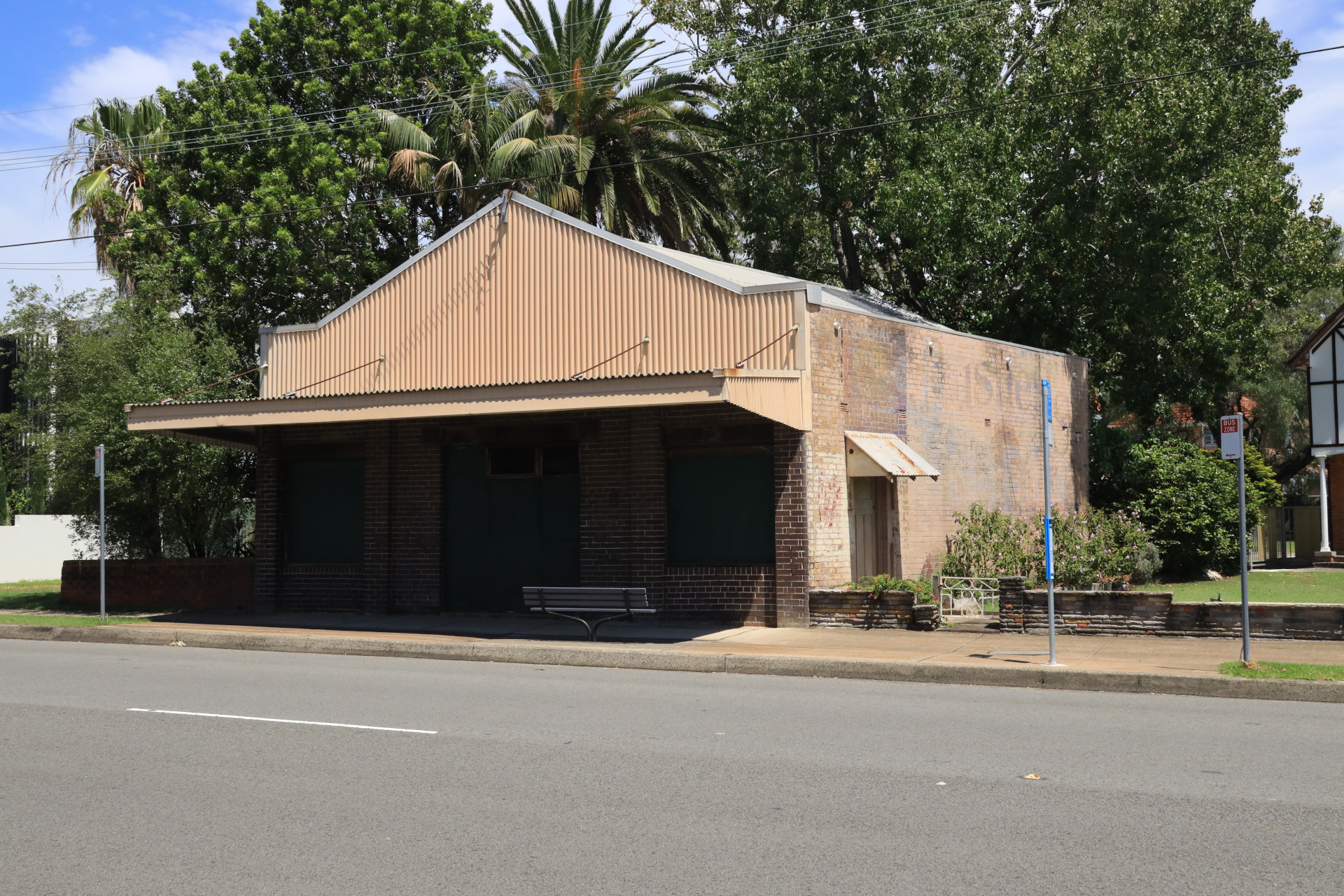
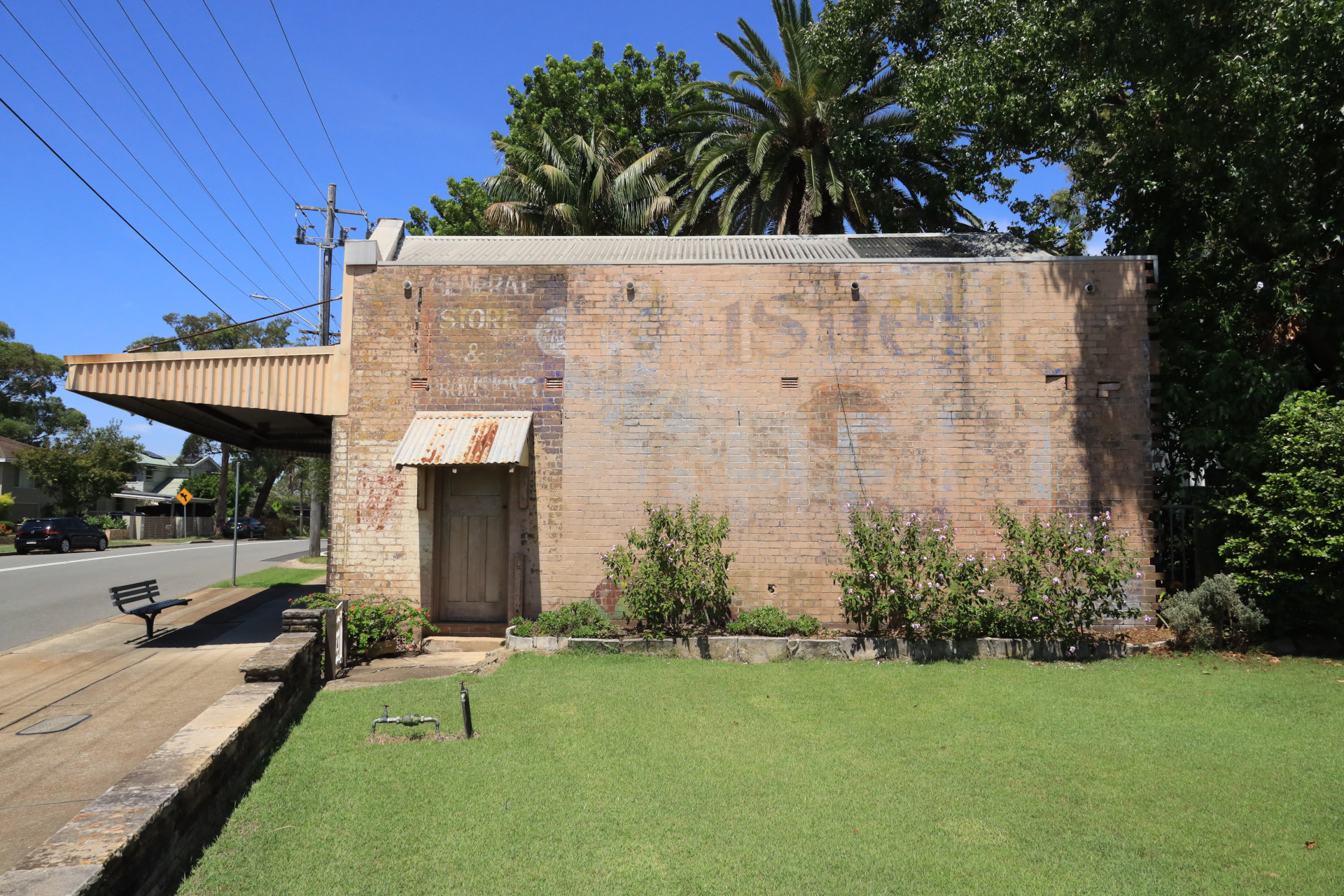
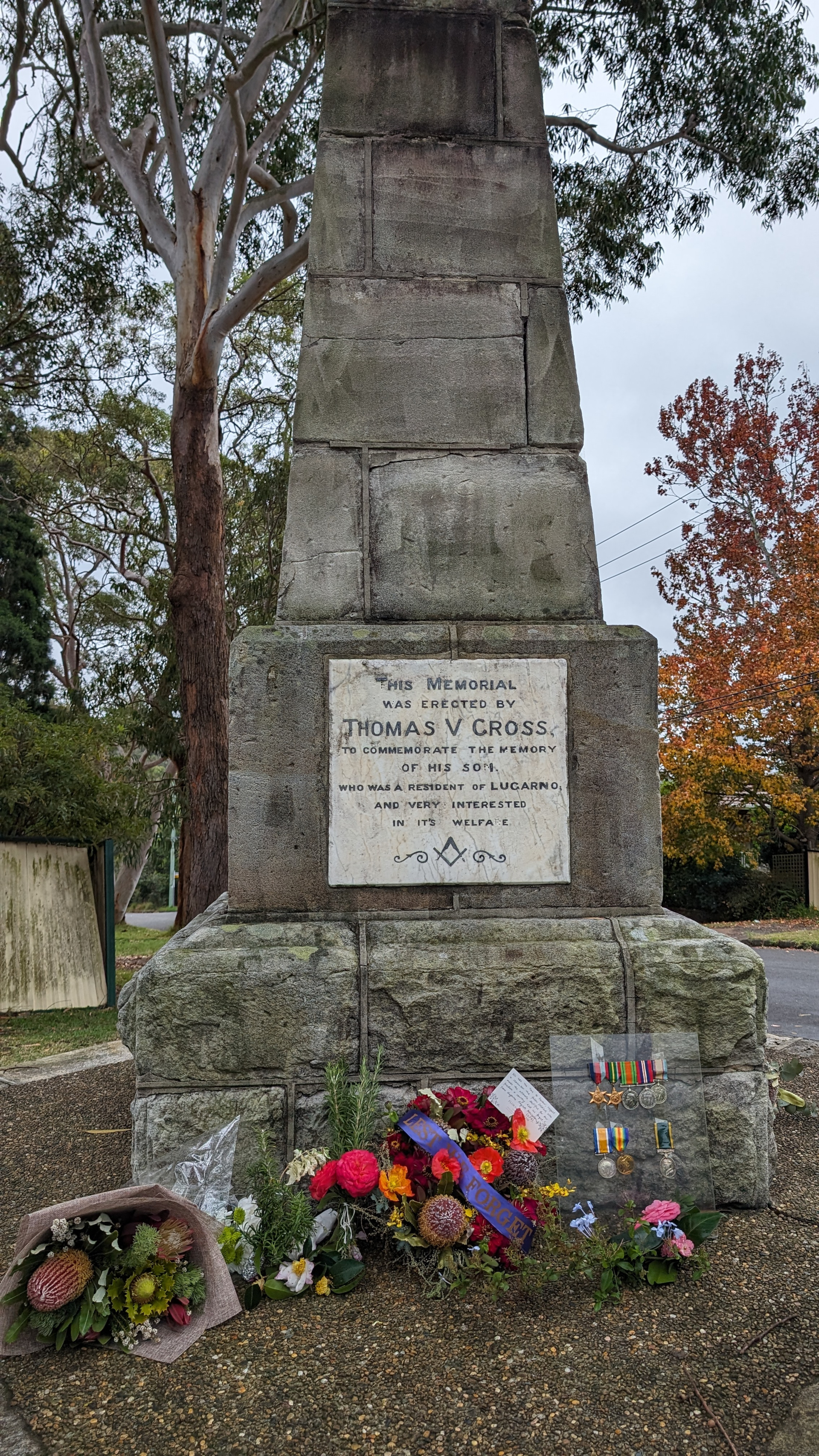
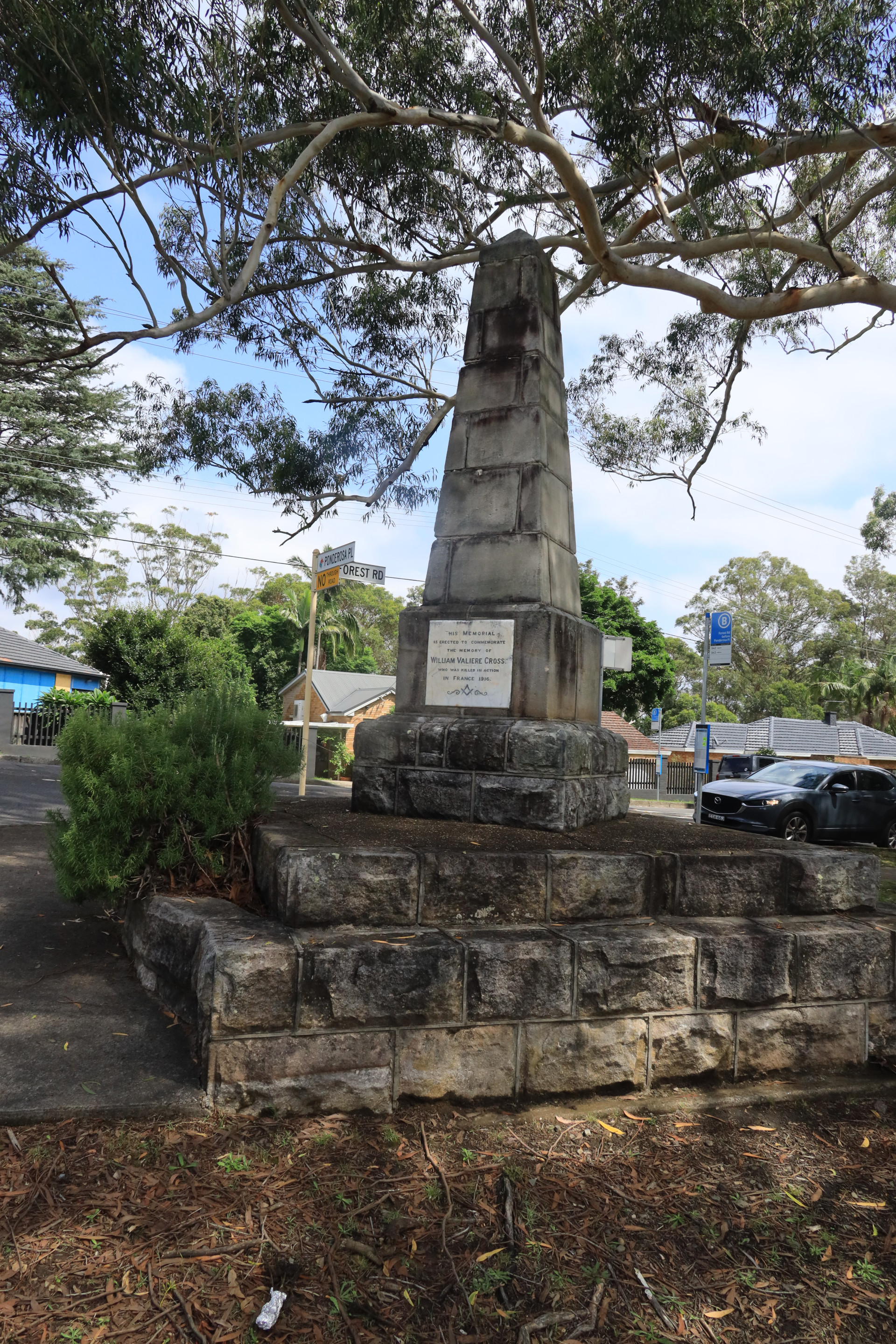
On the way back to Chivers Hill shops along Forest Road, view the Old Shop and the WIlliam Cross Memorial on Forest Road. You can also do a short detour into Evatt Park  before returning to the original starting location. 

Walk Layout

Wildlife on this Walk
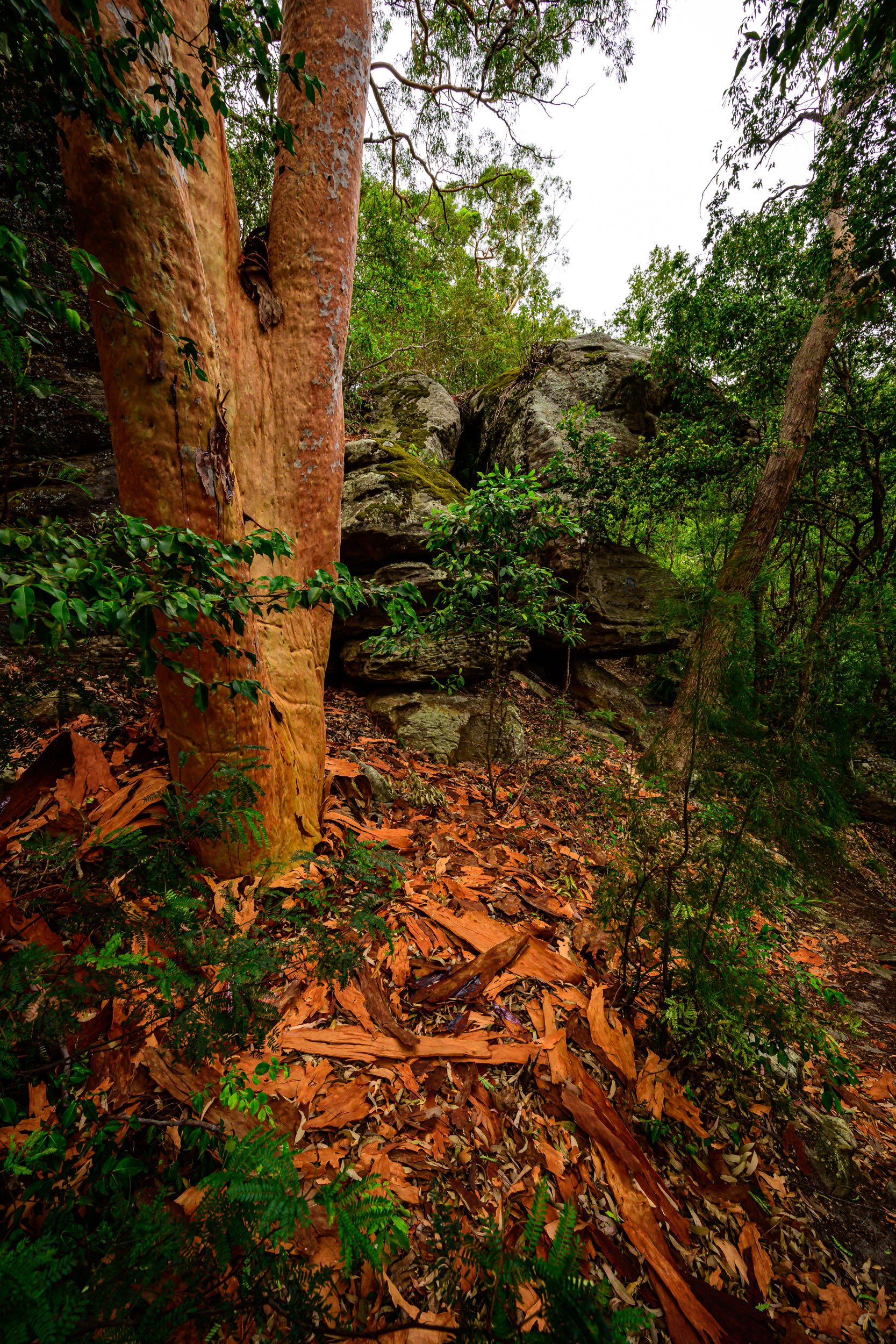
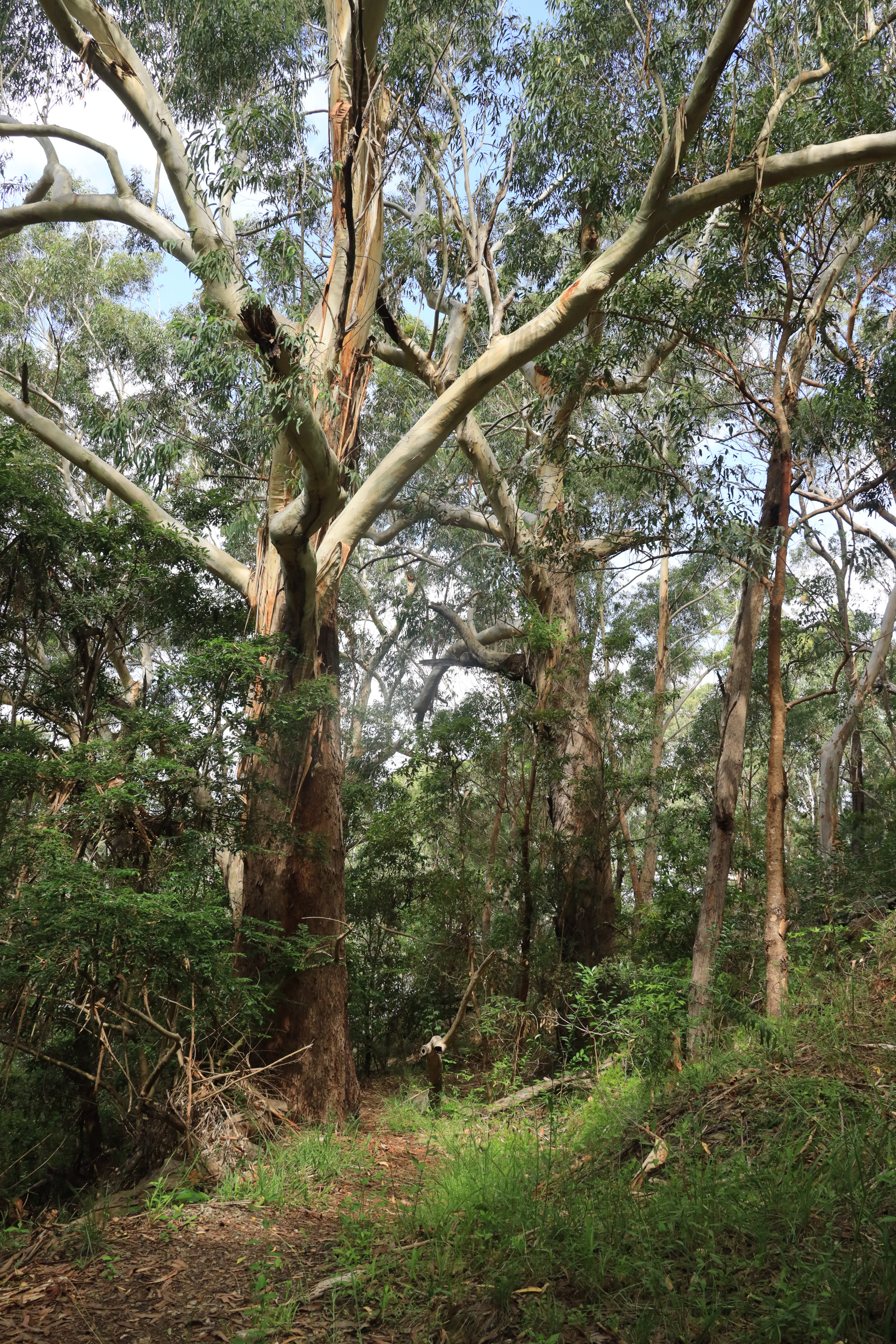
Sydney Red Gum
Angophora costata
Osprey
Pandion haliaetus
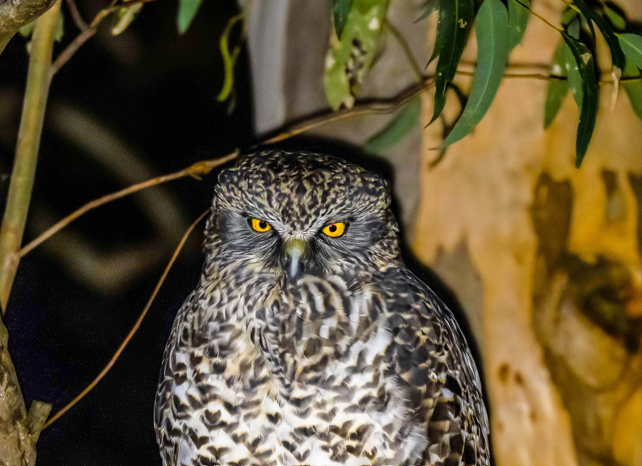
Powerful Owl
Ninox strenua
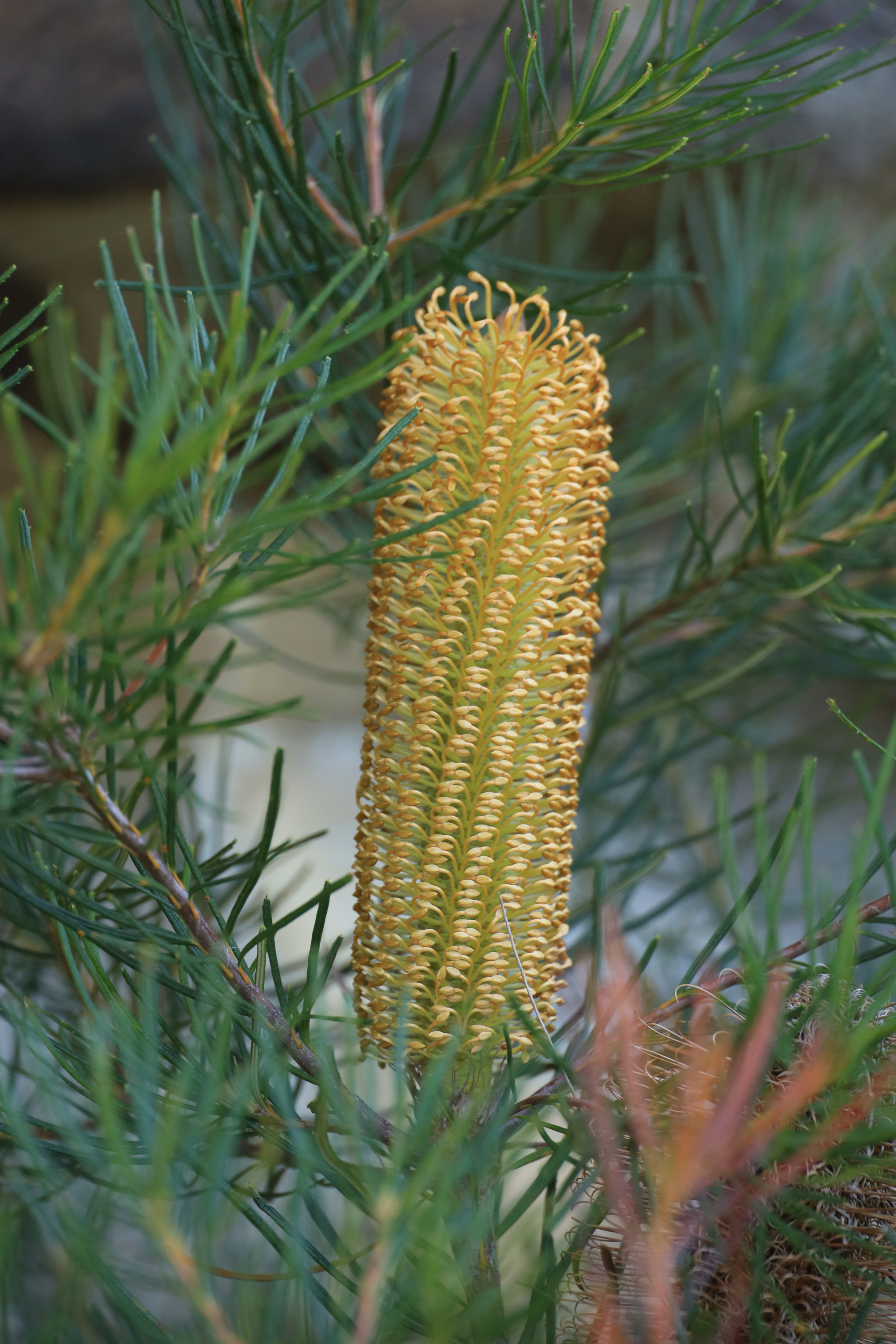
Hairpin Banksia
Banksia spinulosa
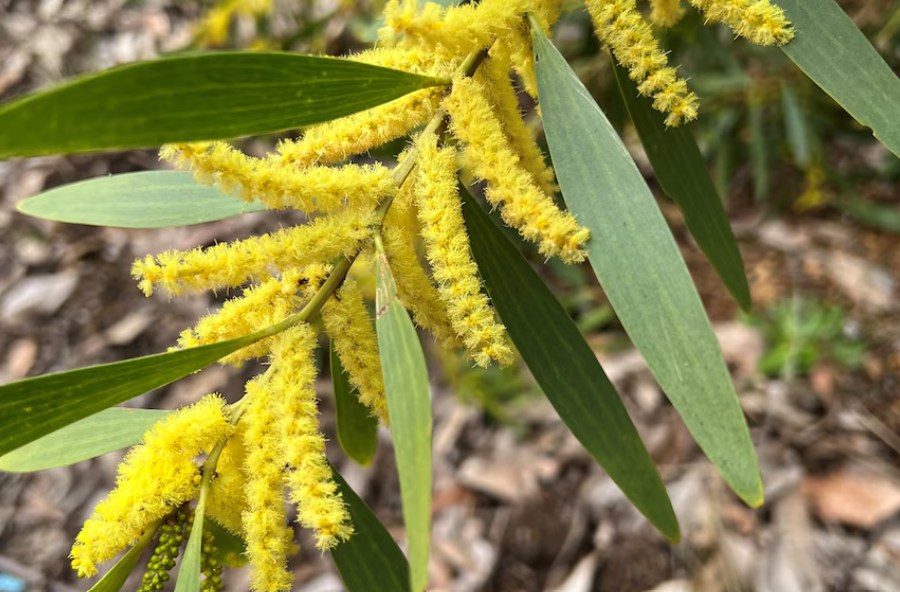
Sydney Golden Wattle
Acacia Longifolia
Blackbutt tree
Eucalyptus pilularis
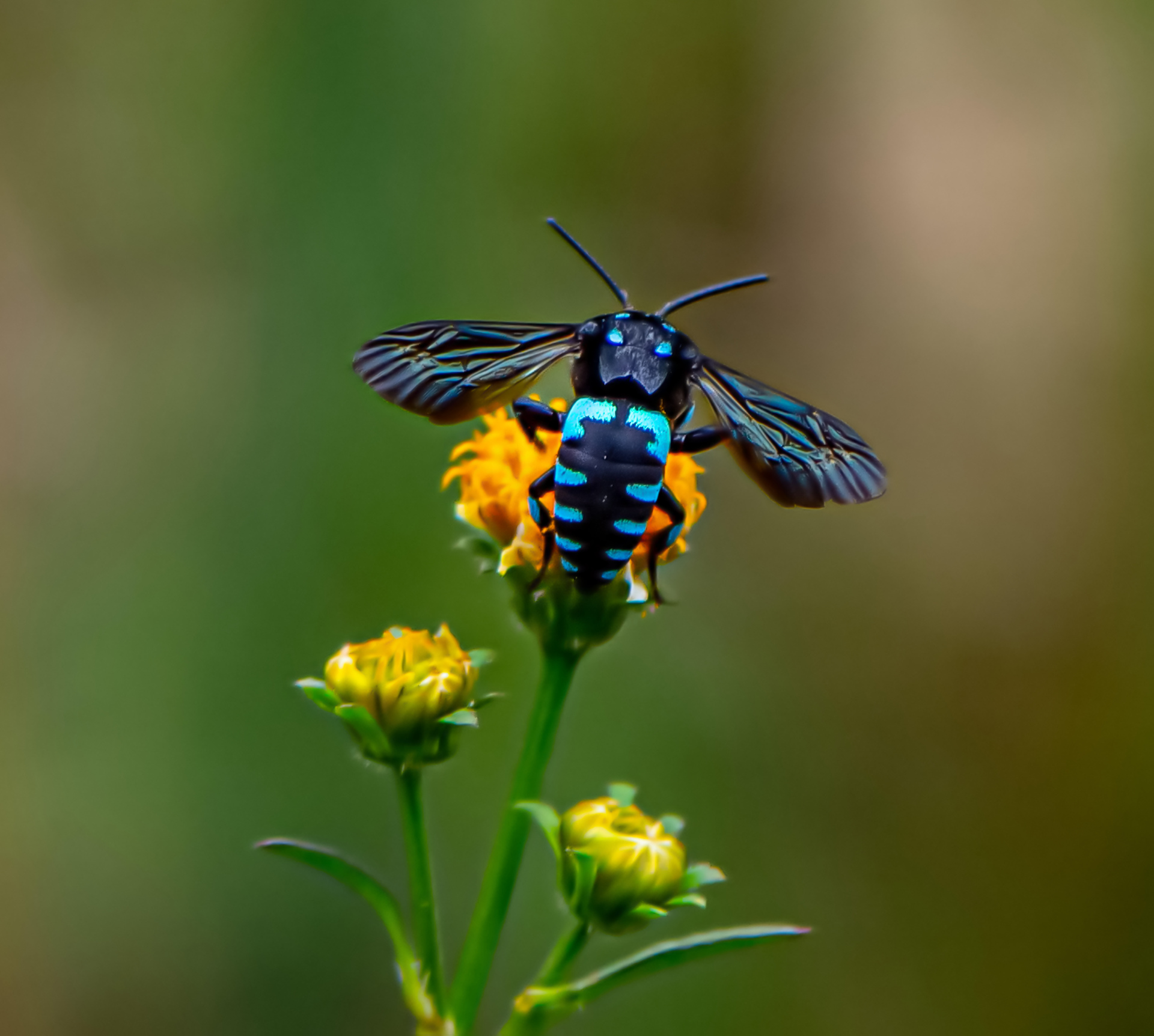
Neon Cuckoo Bee
Thyreus nitidulus
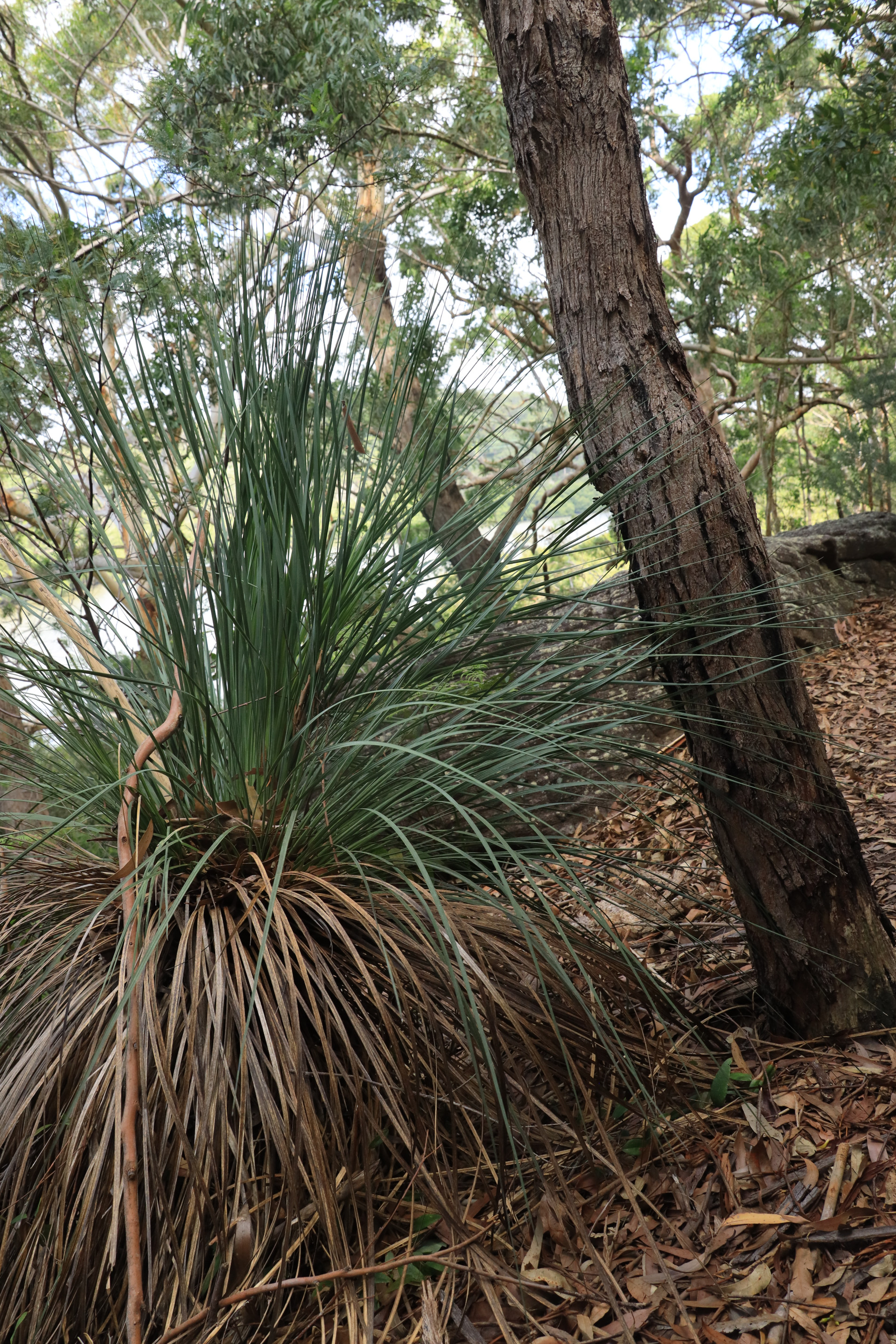
Grass tree
Xanthorrhoea
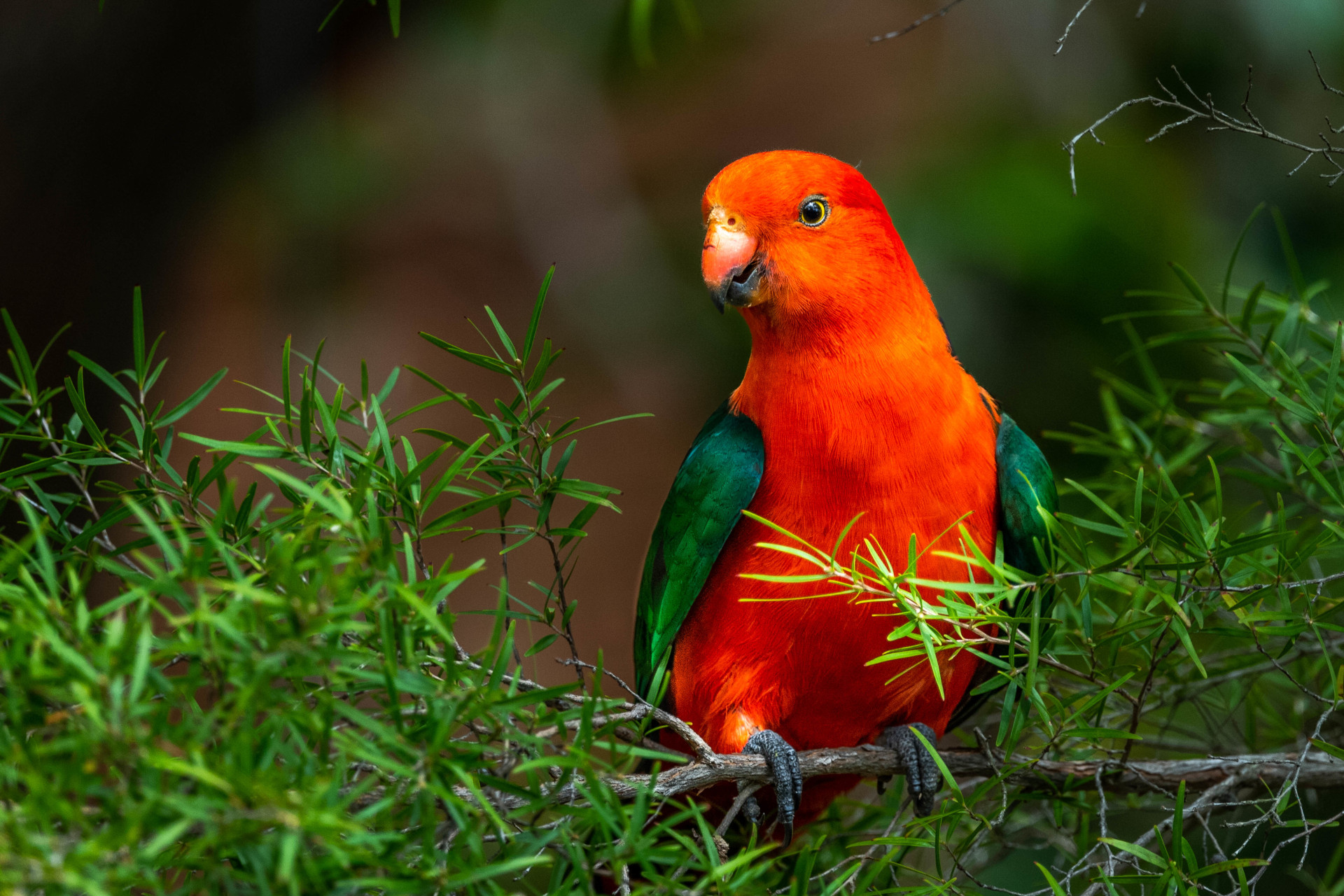
Australian King Parrot
Alisterus scapularis
Common Glider Dragonfly
Tramea loewii
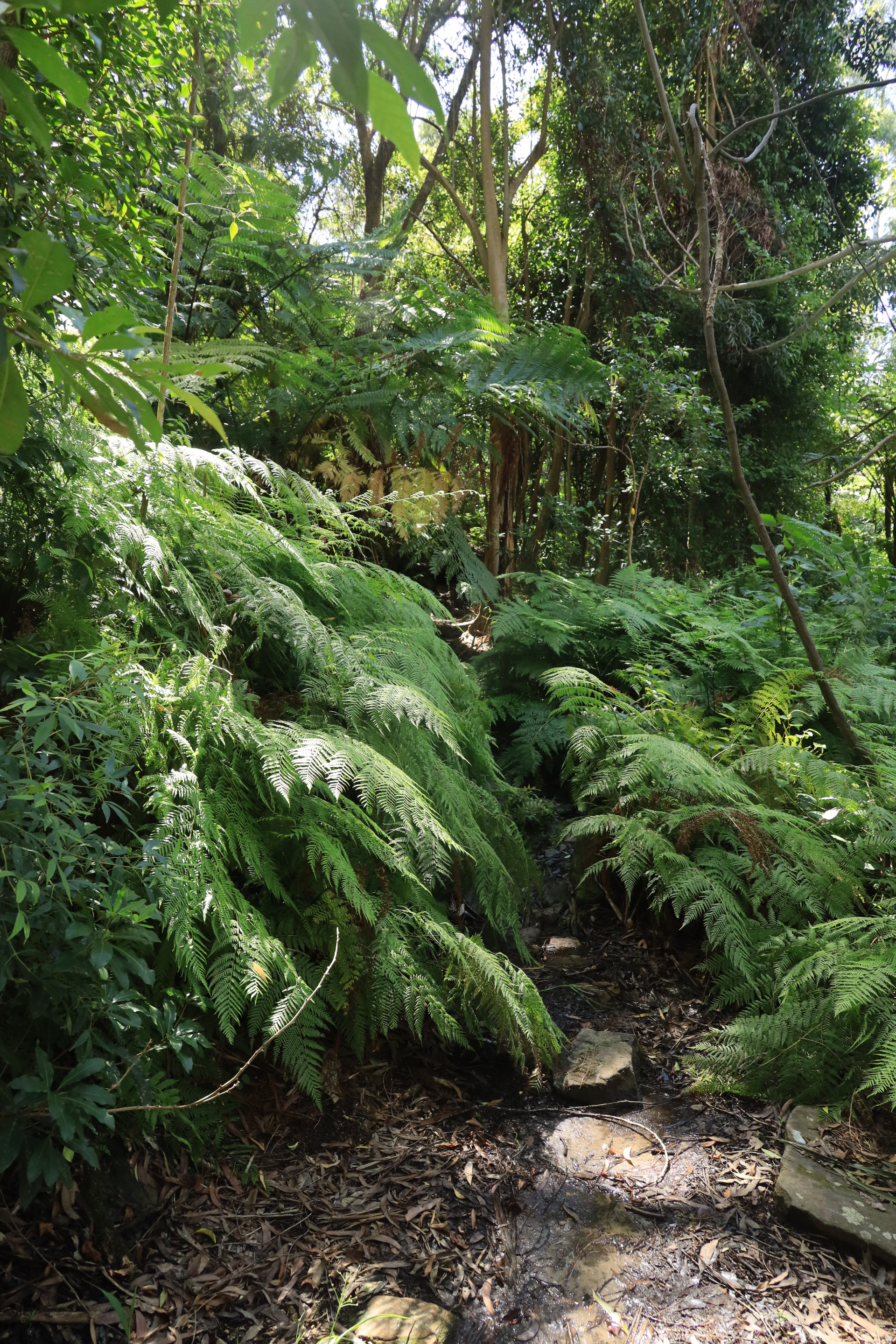
Lacy Tree Fern
Cyathea cooperi
Rainbow Lorikeets
Trichoglossus Moluccanus

Points of Interest

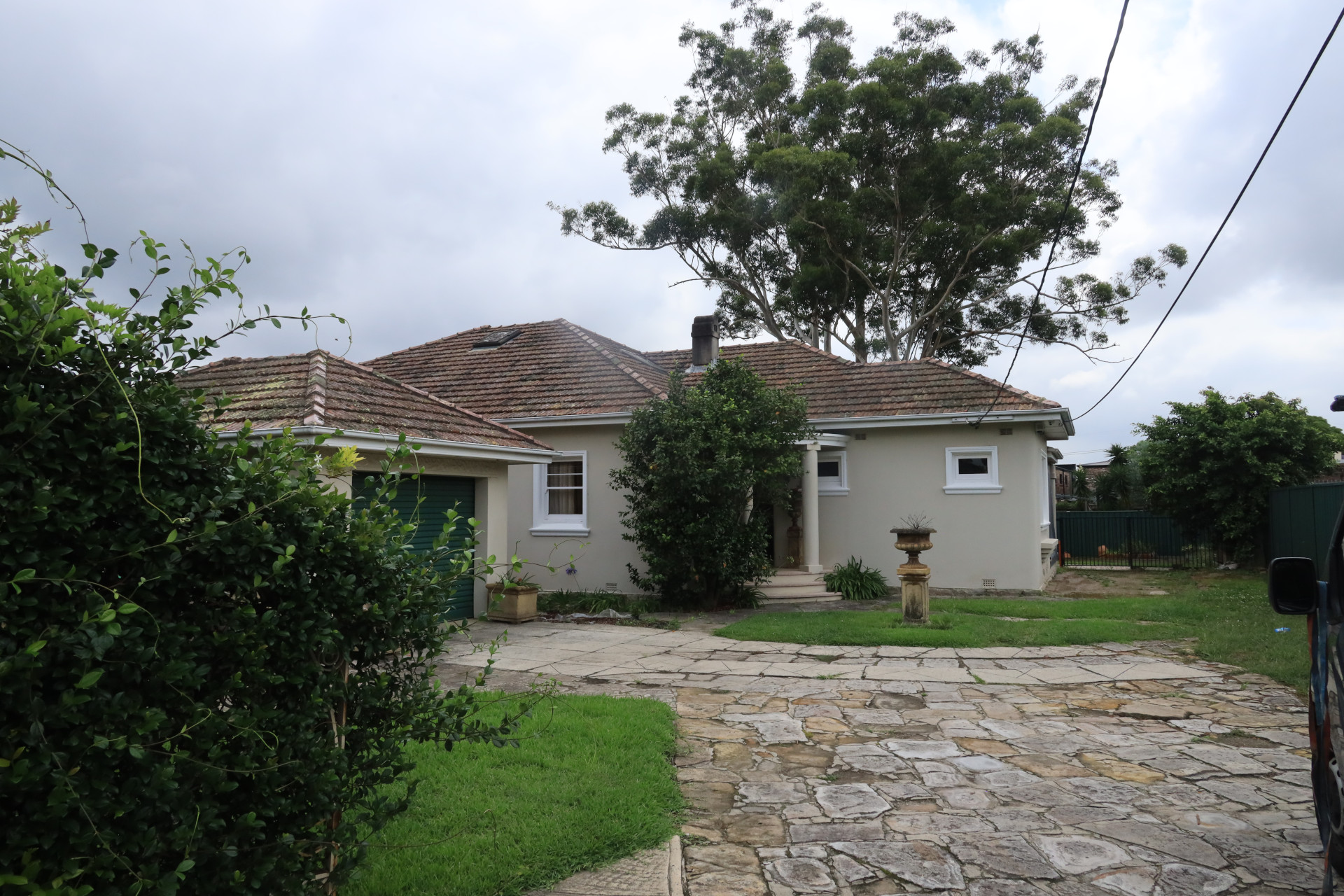
In 1940 blacksmith, then newsagent Alfred Truscott, built ‘The Haven’ at 1024 Forest Road. It is a 900 pound brick home. He created the beautiful entrance gate on which you can see Salt Pan Creek motif and 4 fish.

Lugarno shopping strip was once the property of Alice and Alfred Truscott. A stone fence ran the width of their block, set back from Forest Road. Alfred paid 500 pounds for the seven acres running from Forest Road to the river. Sadly, just seven years after Alfred built his dream home, he died, and Alice and her daughter Kath, were left alone. Kath married Ken Jaegar who had a newspaper circulation. Each morning he would deliver papers through Lugarno, Peakhurst, across to Menai and as far as the Woronora River. In the afternoons he operated a small newspaper stand outside Truscott’s fence. He sold evening newspapers, sweets and drinks, by lamp light. In 1956 Laurie Thompson took over the stand and 12 months later bought land from Alice and built a news agency where it stands today. In the late 1950s, Alice subdivided the rest of the property and the shop lots along Forest Road were sold for two thousand pounds each. A remnant of Truscott’s stone fence still runs along the side of the house in Grandview Crescent.

Baker, Sydney Herbert Gallahar and wife Susannah Elizabeth, built ‘Alvera’ at 1002 Forest Road. They kept cows on the property.

Oysters were a staple in the diet of the Bidjigal people and found in abundance on the rocks and mangrove roots in the Georges River. But with the arrival of Europeans to the area, there was excessive harvesting for food, and to use middens for mortar, so the oyster supply soon became depleted. It was then the oyster farming industry was born. In fact, the Georges River became one of the first areas for successful commercial oyster cultivation. John Geddes began farming oysters in Lugarno in 1886. His oyster leases were taken over by the Matthei family who began farming oysters on slabs of sandstone formed in parallel rows as far out as the low-tide mark. Later they used trays constructed of wire mesh mounted on wooden frames and coated in tar. It took two to three years for a crop to mature. Adolph Peters had a lease in Edith Bay, there were leases in the Moons and those owned by the Bowmaker family. Georges River oysters were renowned for their size and flavour and in the 1940s and 50s had a reputation as the finest in the world. Poachers were a constant problem and farmers who had worked all day, had to stake out at night to catch the thieves. In the 1980s Georges River produced most of the oysters sold in NSW, but in 1994 there was a major outbreak of QX virus and oyster leases were removed from Georges River.

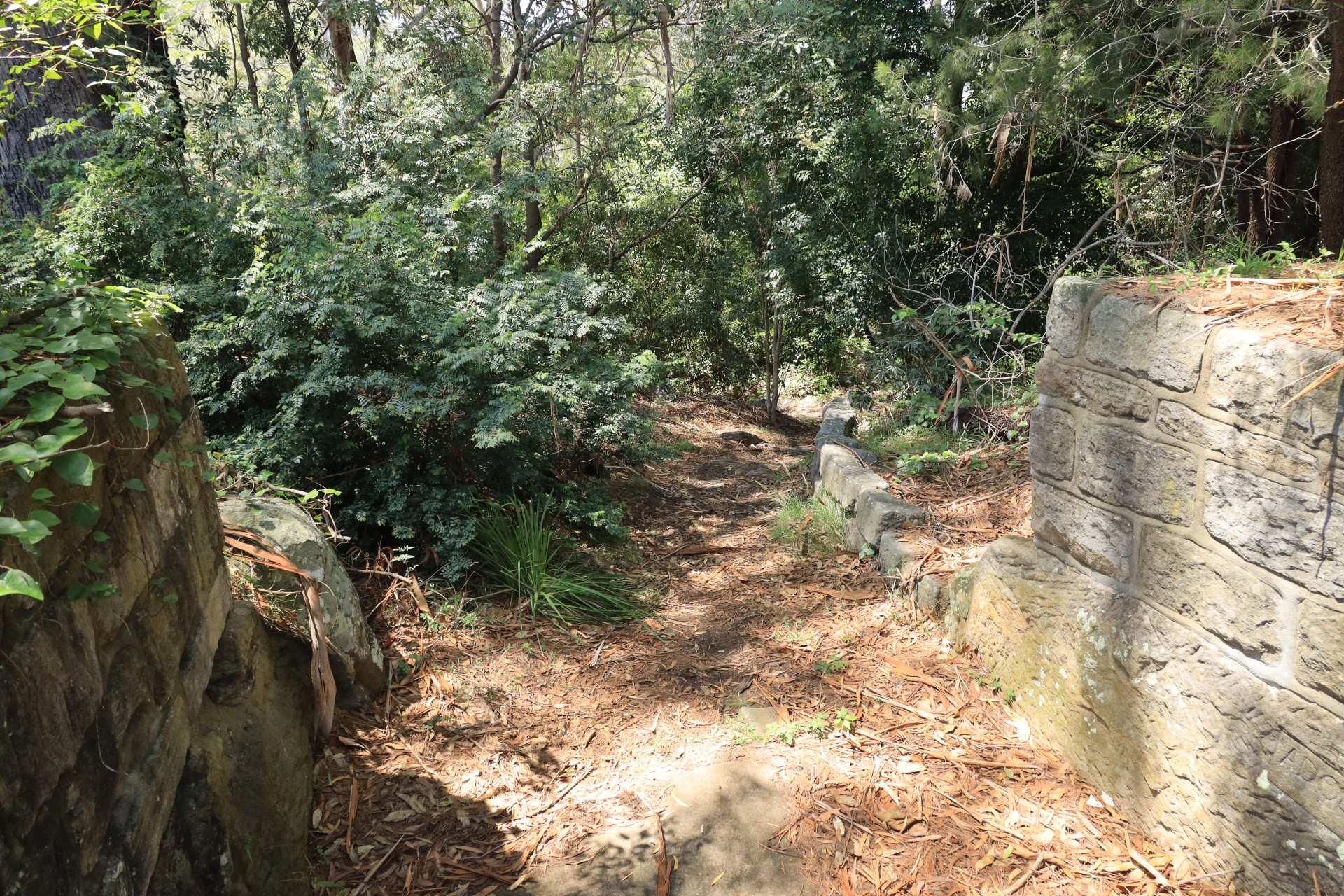
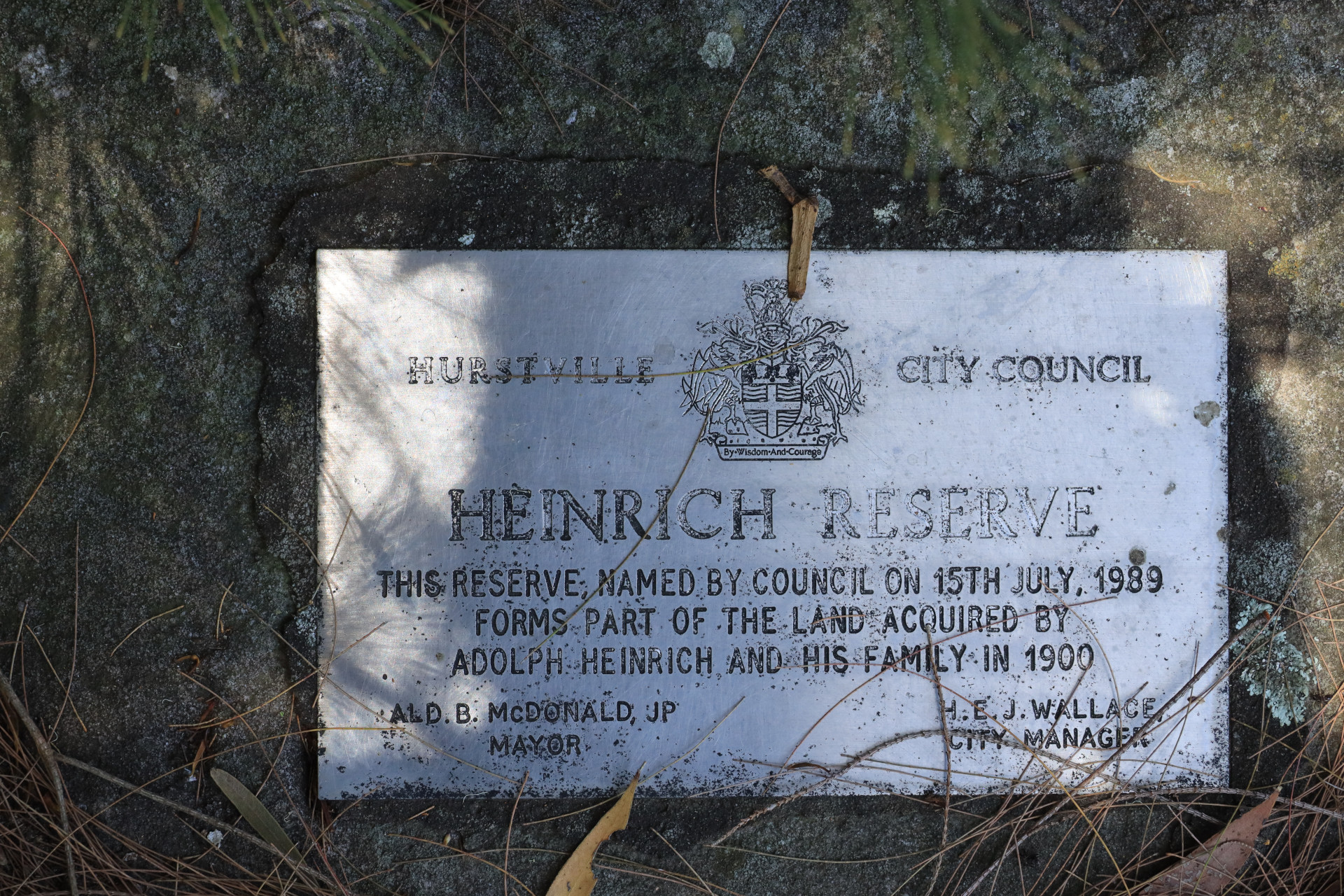
Heinrich Reserve is is a lovely place for a picnic with great river views and view of the Heritage Precinct. From Bayside Drive, the Heinrich stone path and concrete steps are made of hand-cut sandstone. The path is a rough track now paved in some parts, edged and with banks retained with cut stone blocks and mortar. In one section the path is covered by a raised section of timber boards where a creek runs through the path. Near the base of one flight is stairs is carved "ADOLPH HEINRICH 1900". The remains of the pier in Heinrich Reserve was the pier where Adolf kept his two boats, the "Edelweiss" (powered and with electric lights) and the "Koorabell". This stone wharf is of historical importance in providing evidence of the transport by water. All of this was built in approximately 1900 by Heinrich family as part of improvements and renovations undertaken after they purchased the property 'Woodcliffe' (overlooking Lime Kiln Bay).

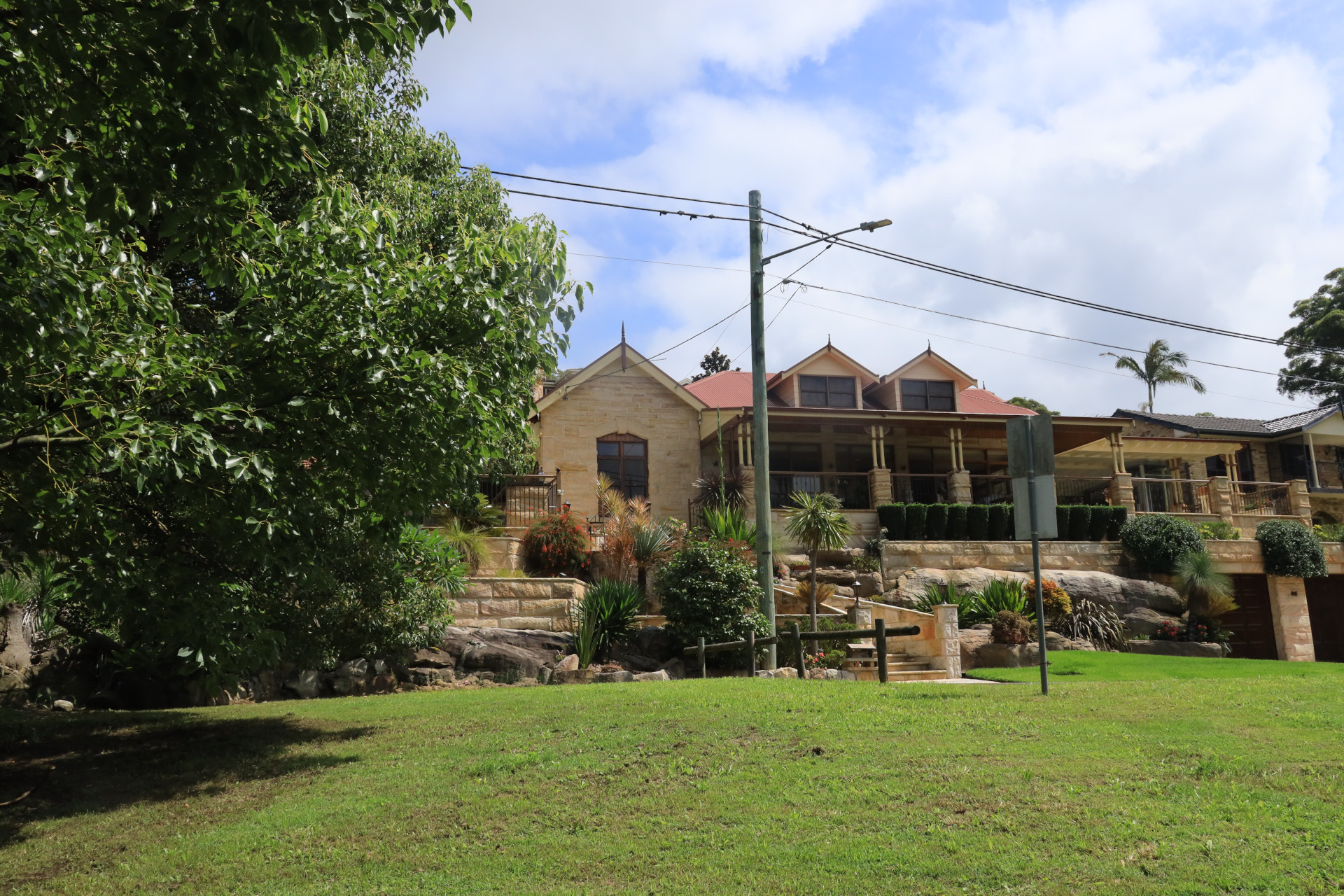
The National Trust has classified this area, a Heritage Precinct. It comprises of 3 historic heritage-listed properties (Glenlee, The Hermitage and Heinrich House). It forms a snapshot of the early settlement of NSW. This is rare in suburbia, and together their European history dates back to 1856 when 2 land grants were made by the Governor, Sir William Thomas Denison. The Heinrich House at 12 Woodcliff Parade, remains a beautifully restored example of its era. The Hermitage at 1 Bayview Crescent, has been extensively renovated but remains a nod to the stone house that Chislett built in the early 1900s. Glenlee remains the least developed example of early settler history and is especially significant because of its well-preserved Aboriginal cultural heritage. The precinct is also an example of the importance of river transport at the time. All supplies had to be brought across the river; food, building supplies, and household goods. The pantry at the Heinrich house was a full-sized room, lined with shelves on all sides, to store the family’s provisions. This precinct is a legacy, three pioneer families linked by the challenge of carving out life in the harsh Australian bush and in the process, laying the foundations of a suburb.

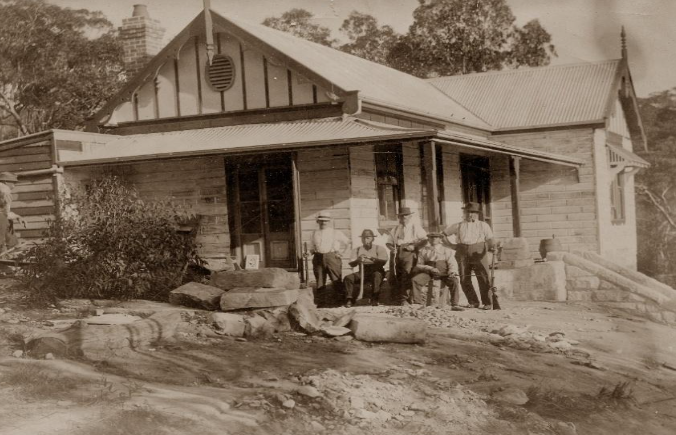
In May,1900, the Heinrich House property was purchased in the name of Ernst Ludwig Heinrich, who was only 17 years old, but there is little doubt his father, Adolf Gustav Heinrich, provided the fourteen hundred pounds. The homestead had been built by Frederick Middleton, overlooking the bay, its slate roof is still intact today and is heritage listed. Middleton’s house had been vacant for some time and used by local fishermen, so there was much restoration to be done. Adolph, a master baker and pastry cook, in Alexandria, Sydney, travelled by train to Como then by boat to Lime Kiln Bay to restore the property. He built a workshop, stables, three large fowl sheds and planted orchards. He employed Charles Hoffman to build stone steps and pathways leading down to the river and boat shed. The Heinrich name was carved into the stone steps and is still visible today. A stone walled swimming pool on the edge of the river, kept children safe from sharks that inhabited the river. Adolph restored the home and laid out extensive gardens including a white magnolia tree near the back door, which still blossoms each year. He added a wisteria walk, azaleas across the front of the house and hundreds of bulbs, freesias, daffodils and jonquils. An extensive stone-fruit orchard and a number of citrus trees provided for the family, given the closest shops were across the bay in Como. In order to sustain his gardens and orchard, Adolph dragged two large tanks on a low trailer, fitted with wheels he’d made from the trunk of a tree, and pulled by his bakery horses along the rough, uneven roads to Lugarno. The tanks were connected by pipes, providing water to all areas of the property, even to the boat shed. Eventually the tanks were replaced by a large well on the right side of the house. In 1938 Adolph built an elaborate summerhouse and fernery and a tennis court which was often used by the community. Numbers 9 and 11 Bayside Drive are built on the original tennis court site.

Glenlee is part of one of the original land grants in Lugarno made by Governor Sir William Thomas Denison in 1856 to Thomas George Lee, son of a shoemaker from London. The property was sold in 1859 to John Blatchford for 100 pounds, and again in 1886 to John Henry Geddes. Geddes built a six-room timber house approximately where Boronia Parade sits today. Unfortunately he lost the land during the Depression of the 1890s when City Bank foreclosed the mortgage. Otto Emil Matthei first saw the land when he and his wife Anna Marie and their two sons were travelling up the Georges River on a paddleboat heading for a Sunday school picnic. Otto became enchanted with the area and decided it was where he wanted to raise his family. The family occupied the Geddes house as caretakers for City Bank in 1908 until Otto’s finances allowed him to purchase bits of the surrounding land. By 1915 he owned 41 acres. The Mattheis became fishermen and oyster-farmers and are important in the oyster-farming history of the area. In 1910 Otto built Glenlee, a homestead that still remains today, set on the hillside overlooking the river. He bought a cow, planted a mixed orchard and a vegetable garden, and built boatsheds and wharves along the river frontage. In 1920 the estate was subdivided and a gravel road was constructed and named Boronia Parade after the pink Boronia that flourished in the area. The road cost four hundred pounds. The family farm helped the Matthei family survive the Great Depression, providing milk, butter, eggs, fruit and vegetables. Over the following decades the organic produce was made available to the community each Saturday from a stall manned by Will and Alan Matthei, grandsons of Otto and Anna. Many Lugarno residents remember buying their produce and stopping to chat to the brothers. Will and his wife Jessie continued to live at Glenlee until William’s death in 2018.

The Hermitage House was originally the home of George Edward Chislett. He purchased 5 acres of land from what today is known as Glenlee. Originally Chislett lived in a timber house while building a stone house for himself, which he called Chiselhurst. His son, a florist, moved into the timber house and terraced the property down to the river, providing more space to grow flowers for the trade. The blooms were taken by launch to Como and then by train to Searles florist, King Street, Sydney, and Miss Birmingham’s in Oxford Street. They grew 700 Christmas bushes for the opening of Parliament House, Canberra. The timber house was burnt down in the 1938 bushfire. The property was sold to Thomas and Jessie Craig and Horace and Alice Martin who continued selling flowers to the Sydney market. Eventually, Kevin Martin married Heather Craig, lived in the old stone house and changing its name to The Hermitage. The property underwent significant renovations by the current owner who bought the property in 1996.

The Old Shop is the site of the first service station in Lugarno, run by August Zoeller and his son, Emil. They opened it in 1929, hoping to capitalise on the traffic going to and from the ferry. Sadly, when the Great Depression hit, traffic declined, and the business closed. It became a residence until 1945. After the war, August’s daughter, Madeline, and her mother, reopened the shop as a general store, providing a vital service for the community who had previously had to travel out of Lugarno for groceries, cigarettes and other everyday commodities. It became a gathering place for the neighbourhood, a place to catch up on the latest local news, and in 1949 it also became the post office. Today it remains a part of Lugarno’s history and the Bushells tea sign (still visible on the side of the building) is particularly significant. These signs which are iconic ‘ghost signs’ represent the historic marketing campaigns of the early 20th centuries. Bushells and other companies kept sign writers in full time work painting their signs on walls all over the country.

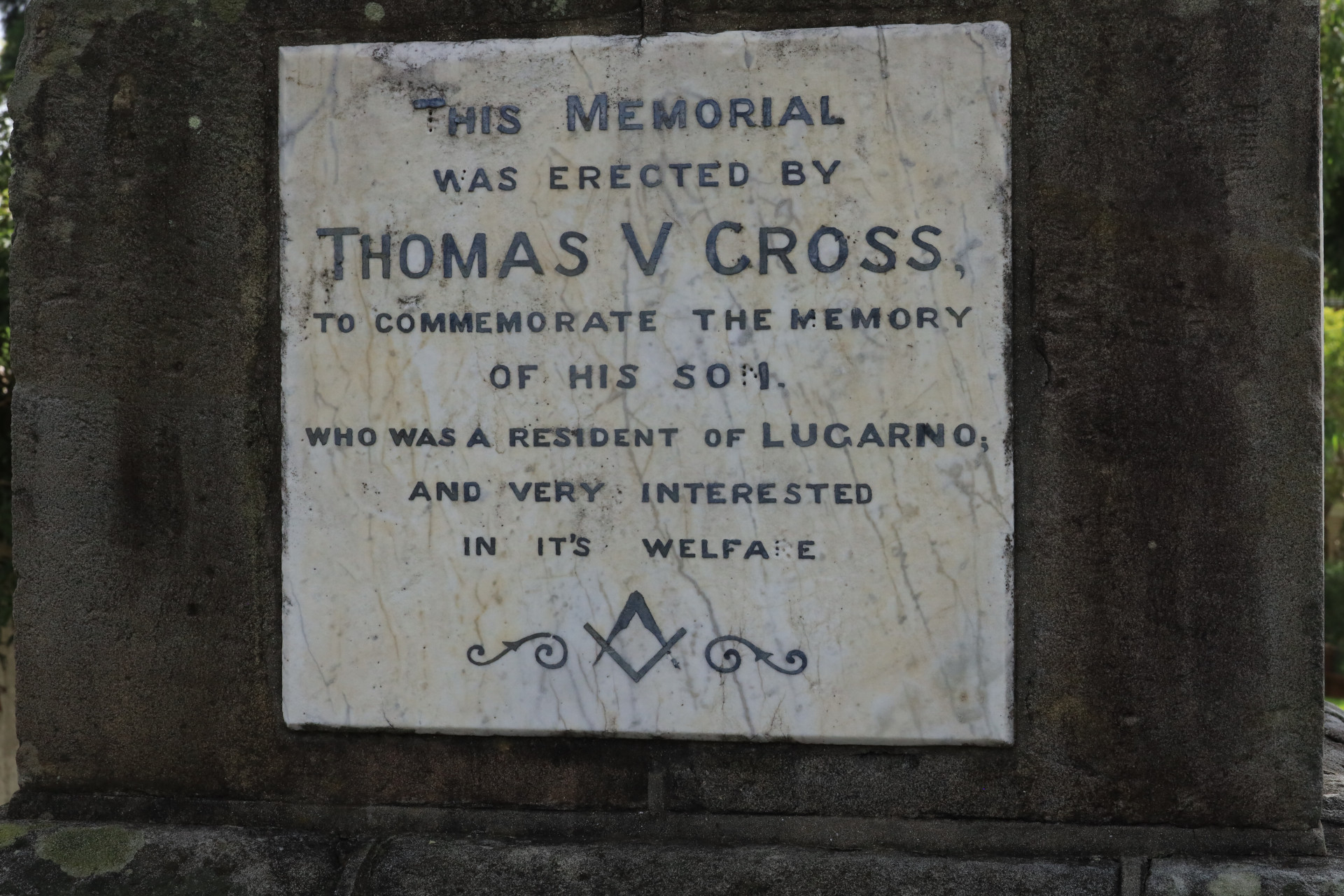
Located on the corner of Forest Road, Old Forest Road and Ponderosa Place, this monument was erected in memory of William Cross. William was a sapper in the 6th Field Company of Australian Engineers, who was killed in action at Pozieres in 1916. His Father, Thomas Cross, had originally erected the monument outside his house in Moons Avenue before it was eventually relocated to its present site. Thomas Cross was a member of Hurstville Police Force, before becoming an Alderman in Hurstville Council between 1914 and 1922.
This project is proudly funded by the Australian Government.