Wildlife
Learn about the wildlife you might encounter on our walks
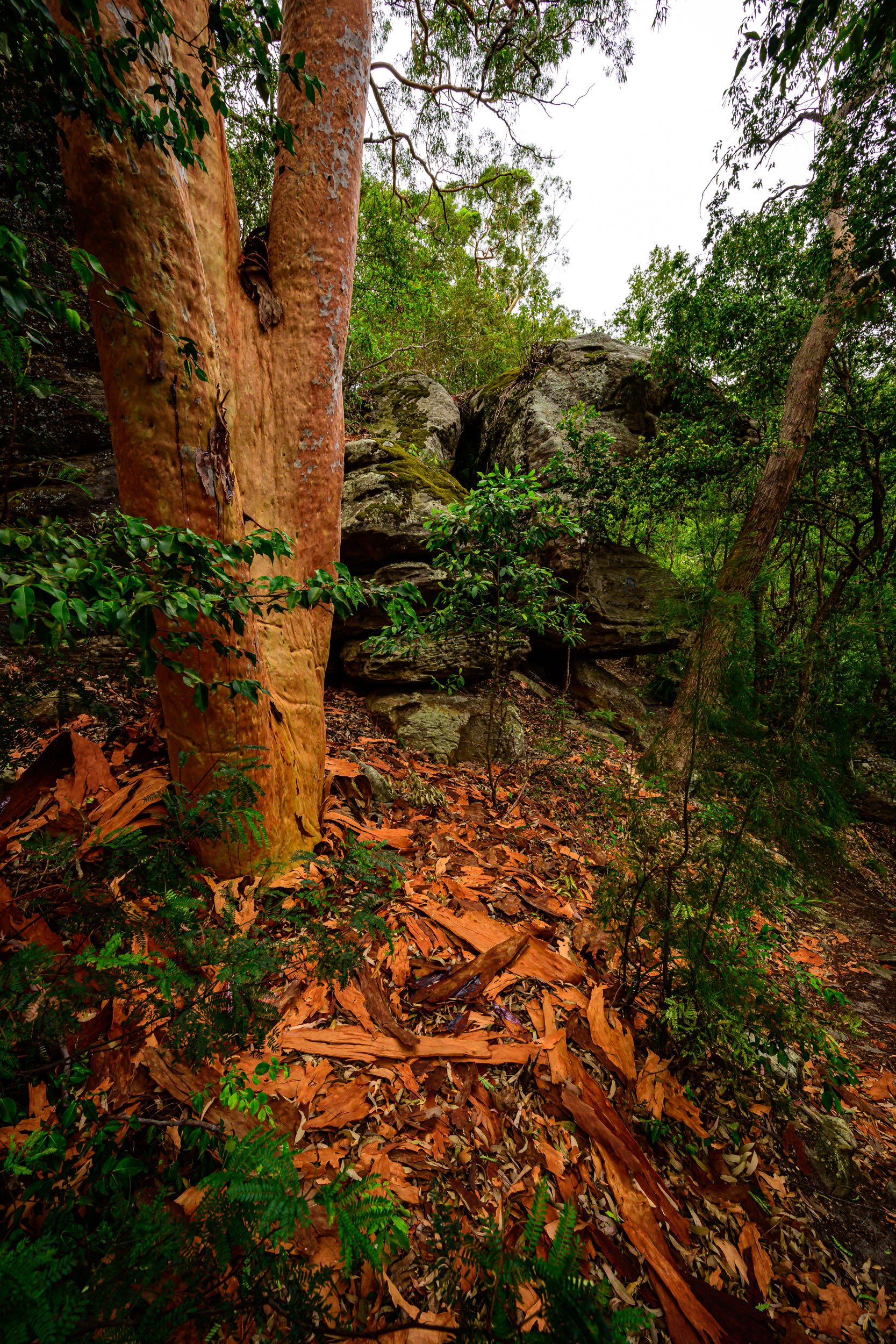
Sydney Red Gum
treesAngophora costata
They produce large clusters of creamy-white flowers, typically in summer. The bark is smooth and grey but sheds in late spring or summer to reveal striking new layers of salmon pink, orange, or bright red. These trees are invaluable for local wildlife because they frequently form hollows that provide essential nesting sites for birds.
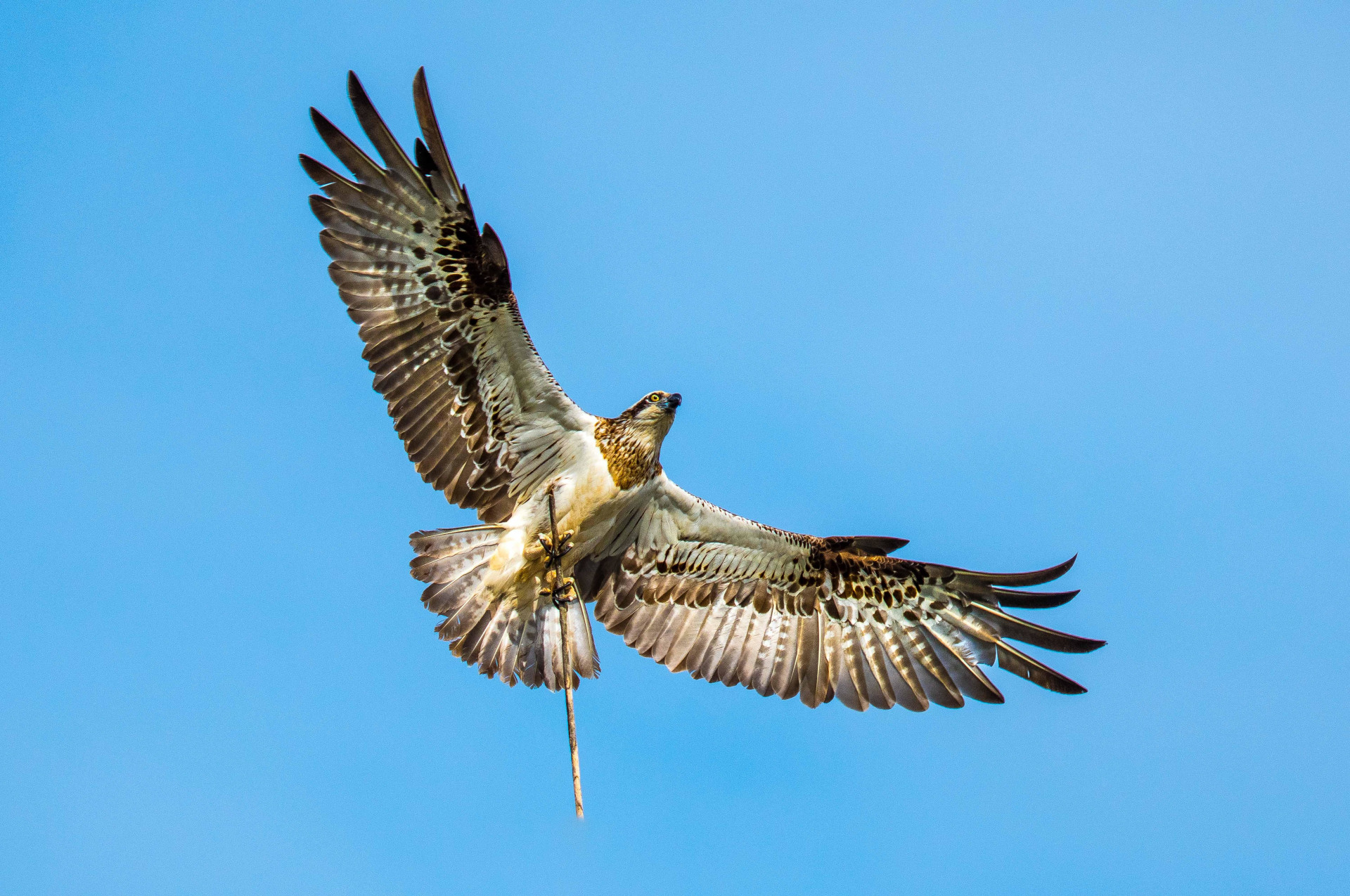
Osprey
birdsPandion haliaetus
Osprey is a large, specialized raptor found worldwide near lakes, rivers, and coastlines.
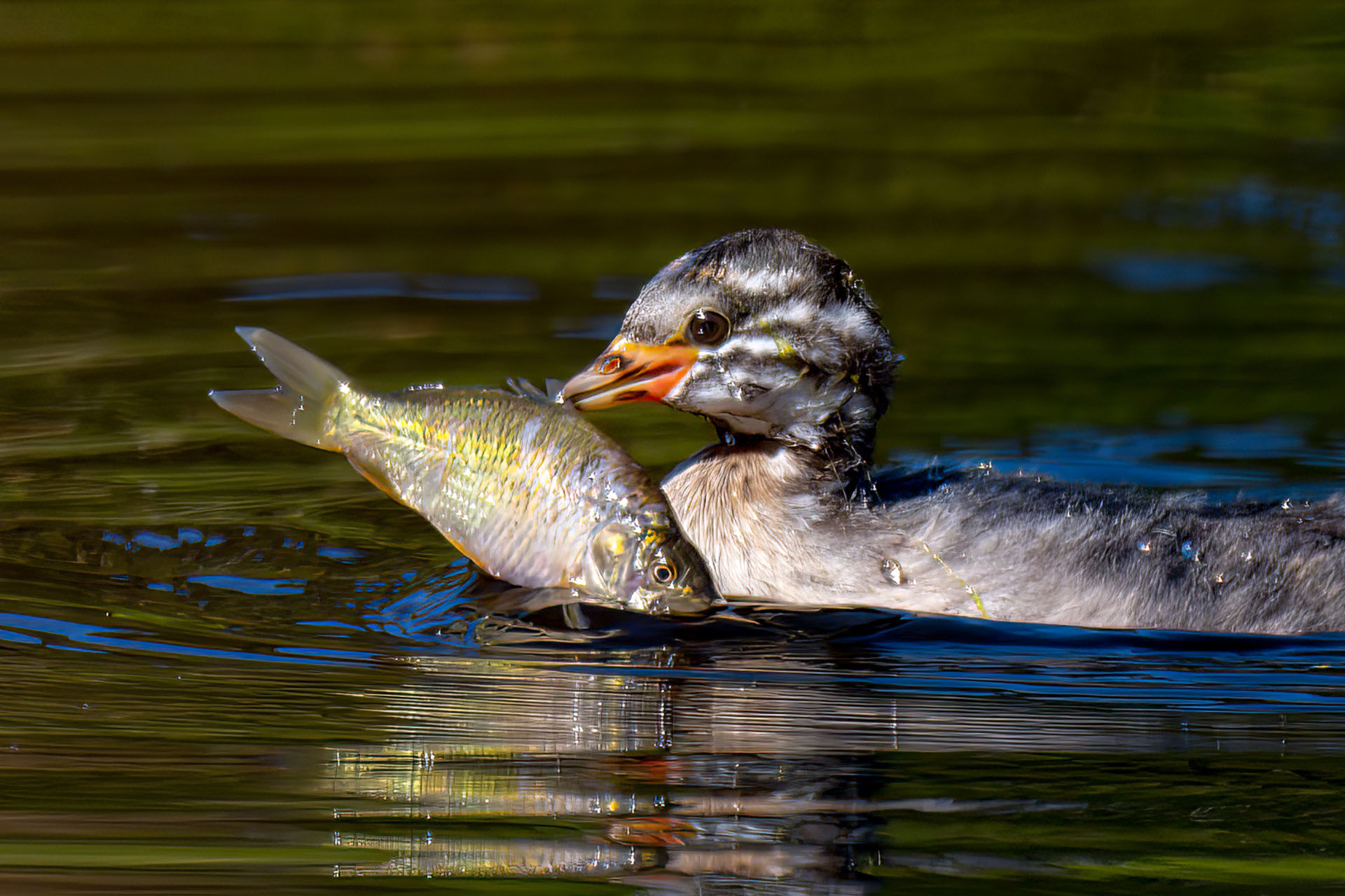
Australasian Grebe
birdsTachybaptus novaehollandiae
Australasian Grebe is a small, duck-like waterbird common throughout Australia, New Zealand, and the Pacific. It is one of Australia's smallest grebes feeding on small fish and insects.
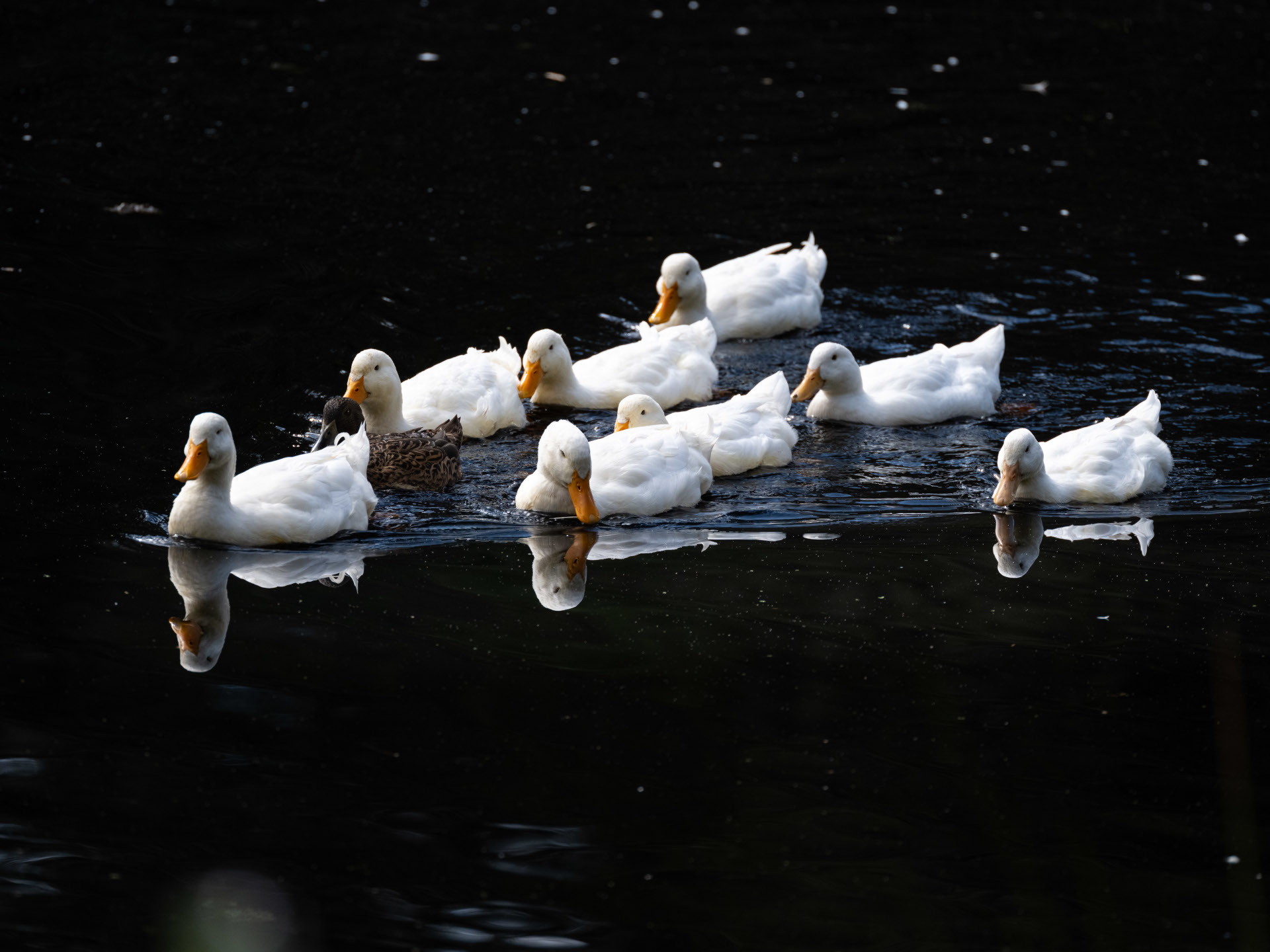
White Pekin Duck
birdsAnas platyrhynchos domesticus
A popular domestic duck breed worldwide with creamy white plumage, a rich orange-yellow bill, and bright reddish-orange legs and feet. Known for being calm, docile, and highly intelligent, they are flightless social birds that often bond closely with humans.
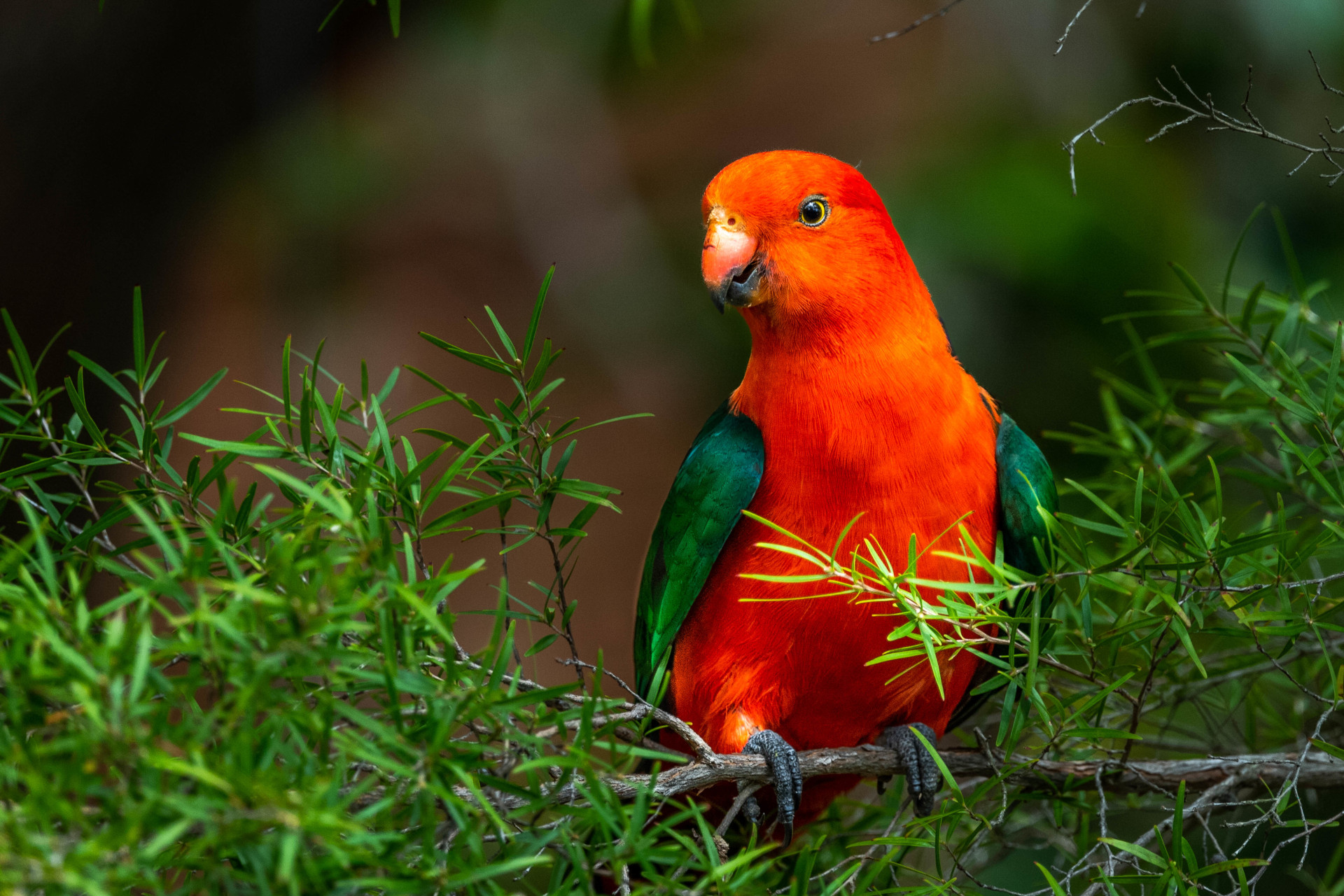
Australian King Parrot
birdsAlisterus scapularis
It is a large, strikingly colorful parrot with vibrant red and green plumage. Their diet consists mainly of seeds, fruits, berries, and nuts, which they forage for both in treetops and on the ground.
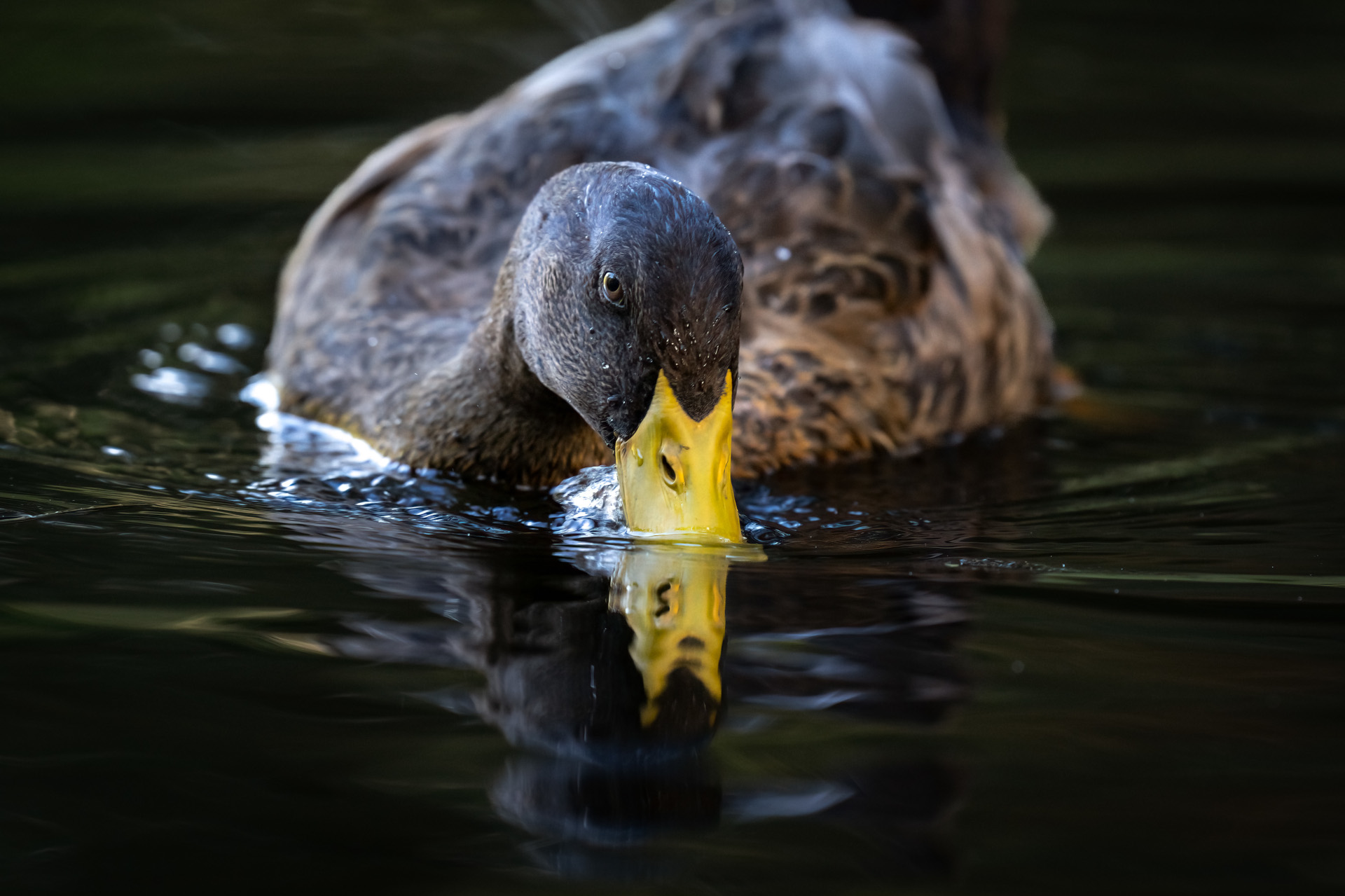
Chestnut Teal
birdsAnas castanea
It is a small, attractive dabbling duck endemic to Australia. You can often find them foraging along the muddy edges of the riverbanks during a rising tide.
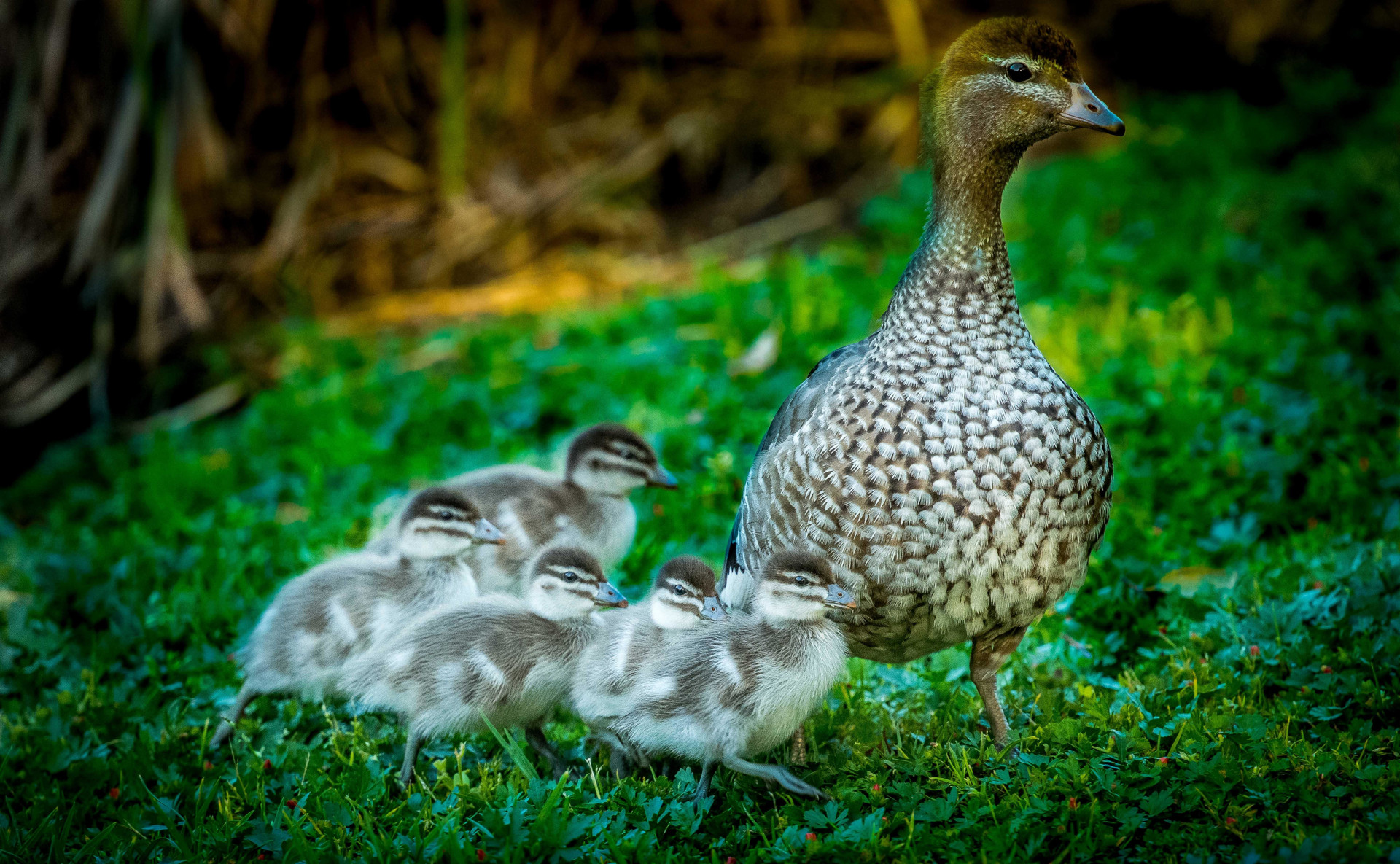
Australian Wood Duck
birdsChenonetta jubata
Australian Wood Ducks are a medium-sized, goose-like duck found across Australia, often seen grazing on land in pairs or small groups. It is characterized by its dark brown head, grey-speckled breast, and preference for wetlands, pastures, and urban parks, nesting in tree hollows rather than on the ground.
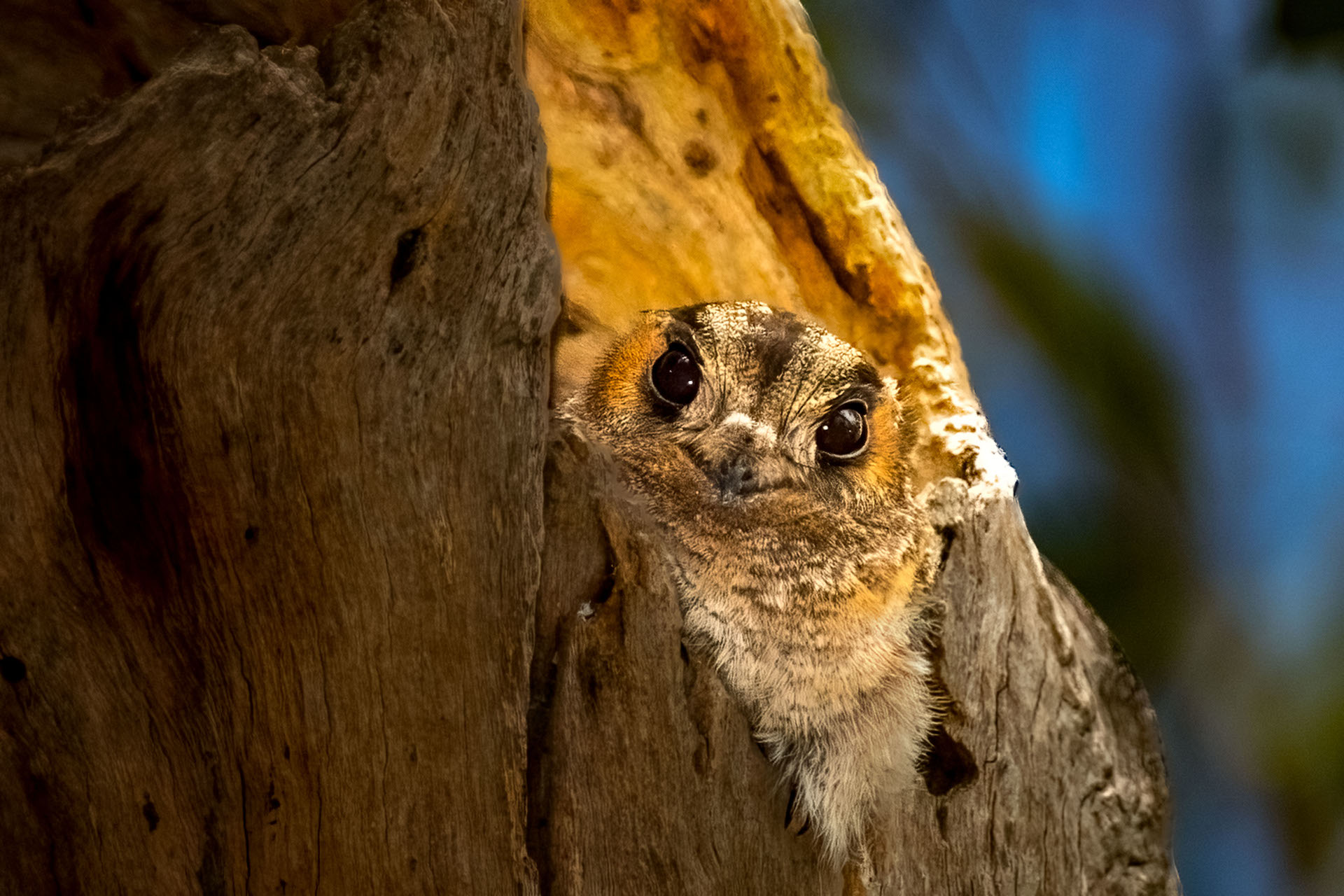
Australian Owlet-nightjar
birdsAegotheles cristatus
It is the smallest nocturnal bird found in Australia, measuring between 21 cm and 25 cm in length. It looks like a miniature owl with a wide, flat head and large, dark brown eyes. A distinctive feature is its long, hair-like "whiskers" (rictal bristles) around a small, broad bill.
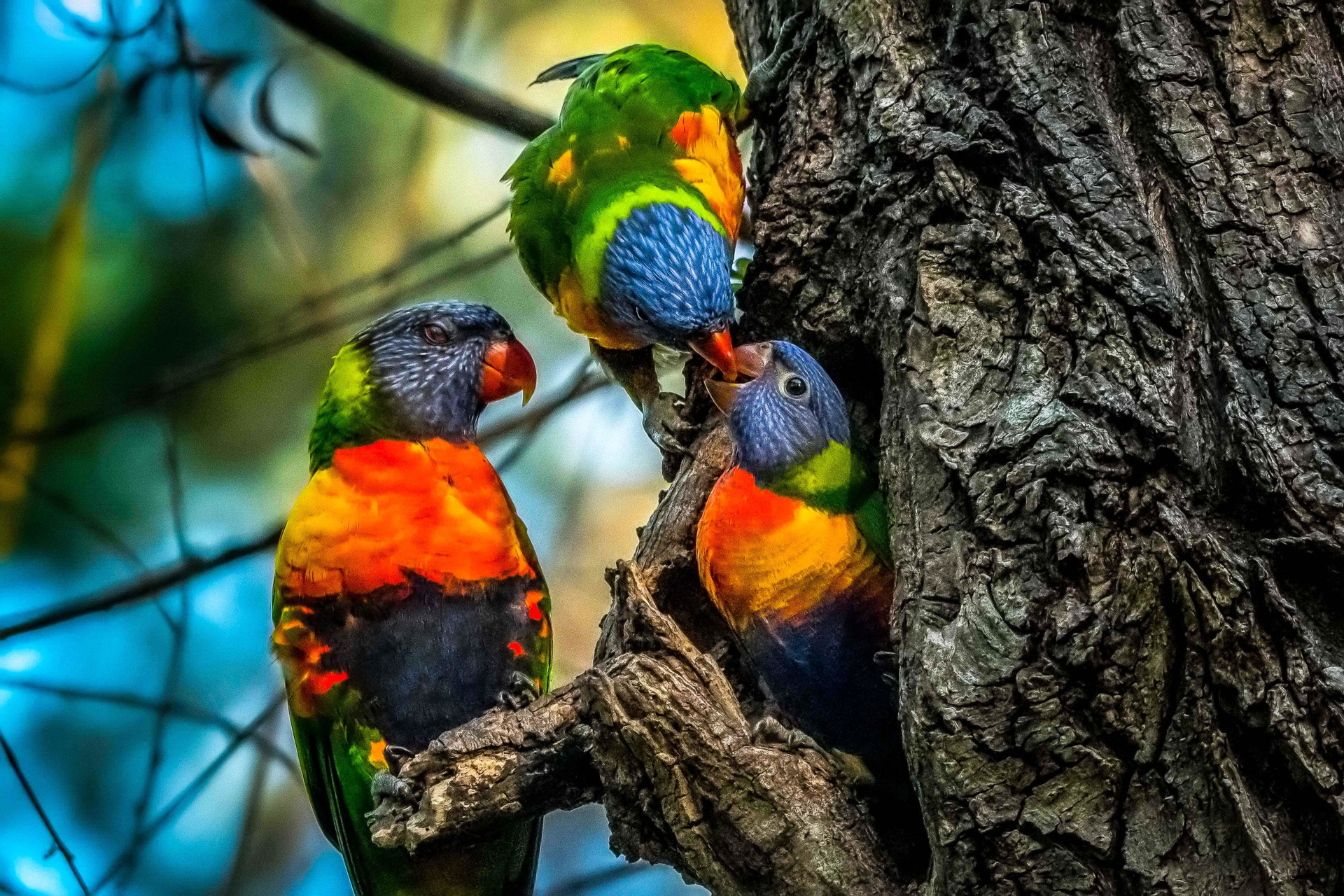
Rainbow Lorikeets
birdsTrichoglossus Moluccanus
A vibrant, medium-sized parrot widely considered Australia's most frequently spotted bird. True to its name, it features a kaleidoscopic plumage including a deep blue head, a bright orange-red breast, and a dark blue belly, contrasted by brilliant green wings and back. It has a distinctive curved red bill.
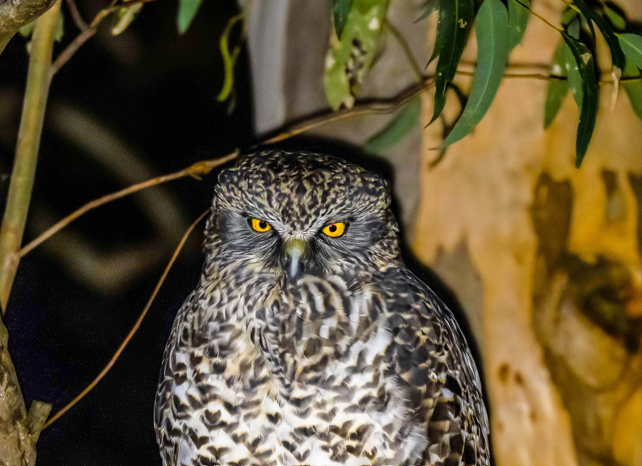
Powerful Owl
birdsNinox strenua
Known as a "hawk-owl" because of its bird-of-prey-like silhouette, it is a formidable hunter of the eastern Australian forests. It makes the "classic" owl sound—a deep, resonant, double-barrelled "whoo-hoo" that can carry for over 2 kilometres.
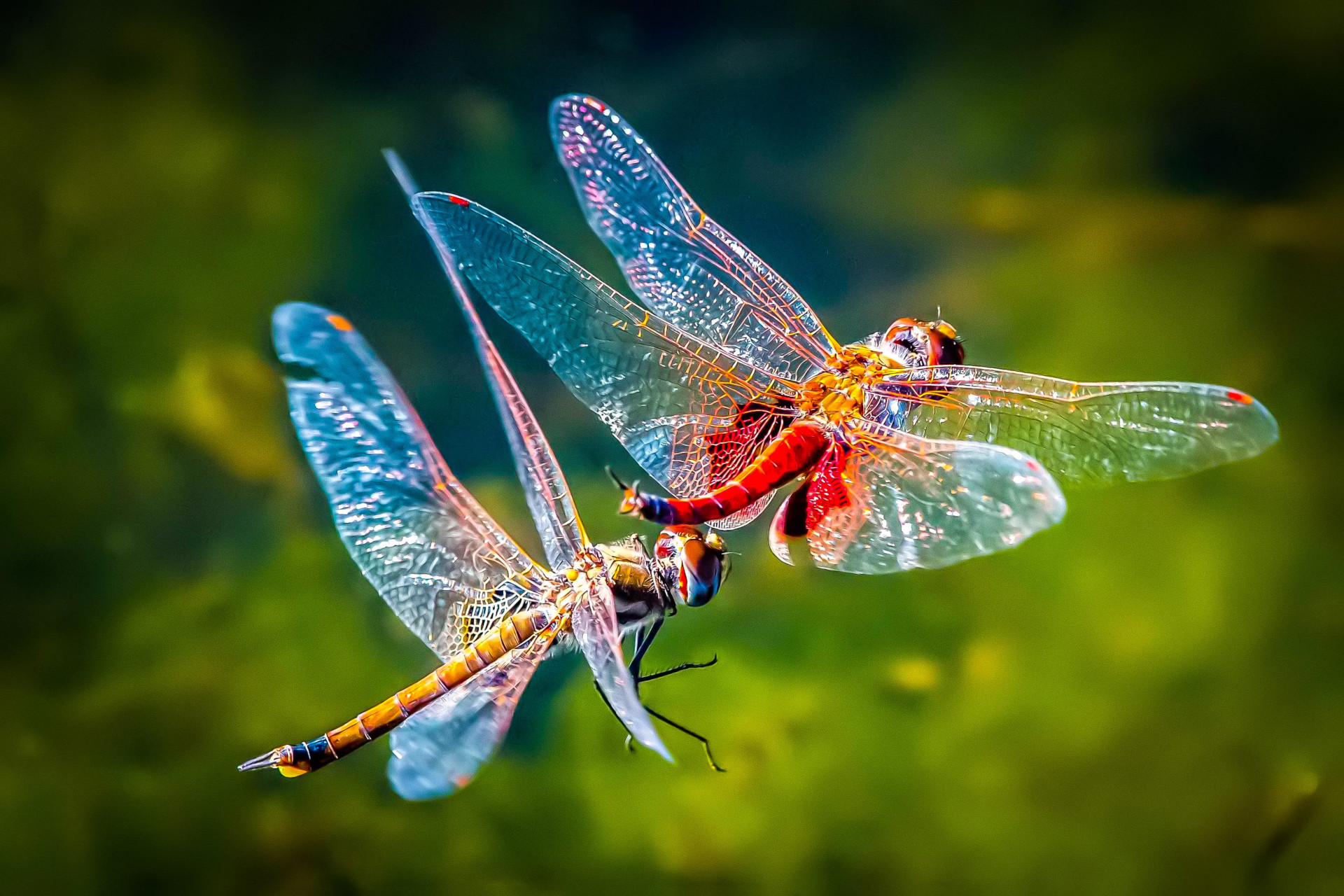
Common Glider Dragonfly
otherTramea loewii
It is a medium-to-large dragonfly common throughout Australia, the Pacific, and New Zealand. It is part of the "skimmer" family and is known for its strong, effortless flight and territorial nature.
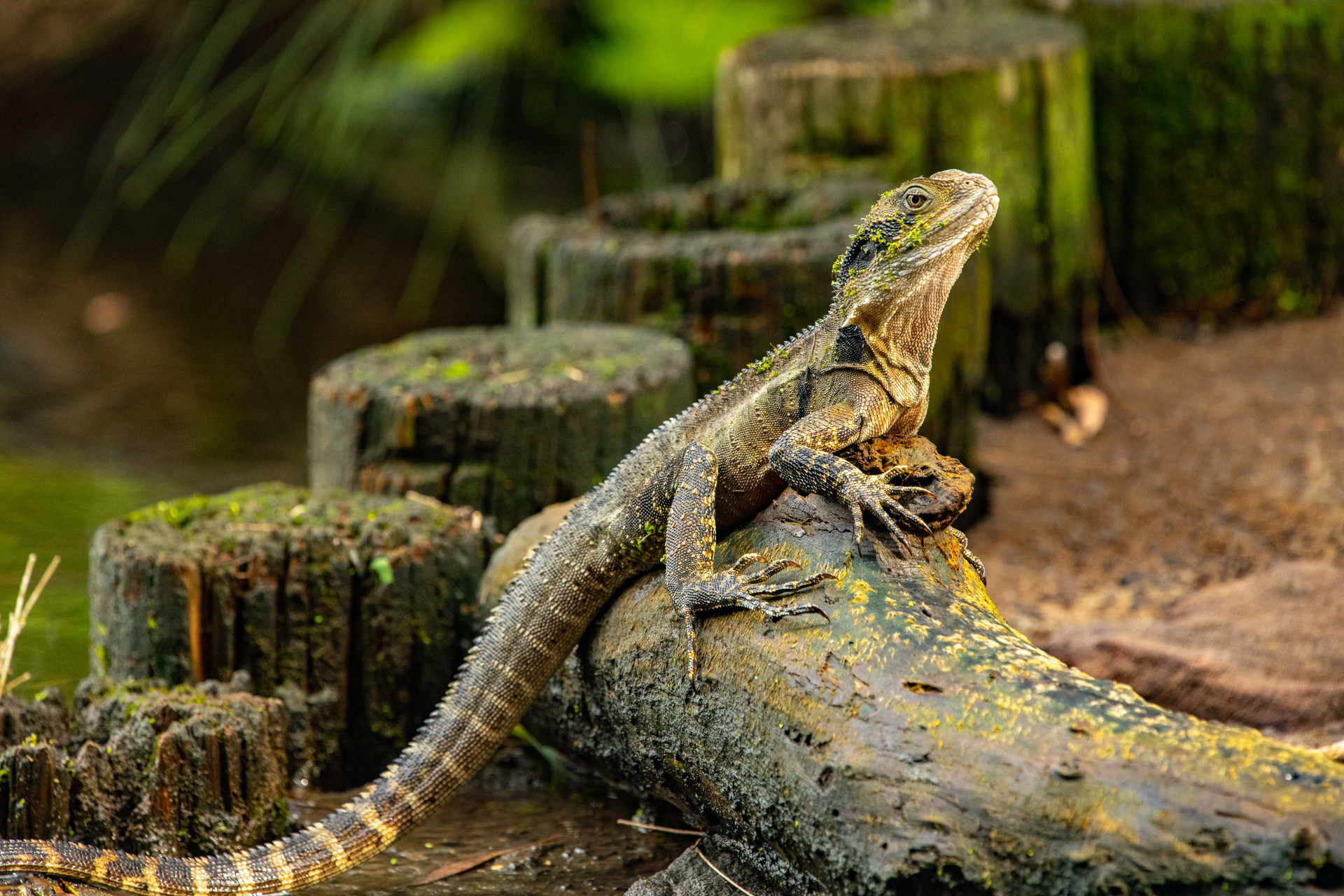
Eastern Water Dragon
otherIntellagama lesueurii lesueurii
It is a large, semi-aquatic lizard native to eastern Australia. Known for its prehistoric appearance, it is often found basking on rocks or overhanging branches near healthy waterways.
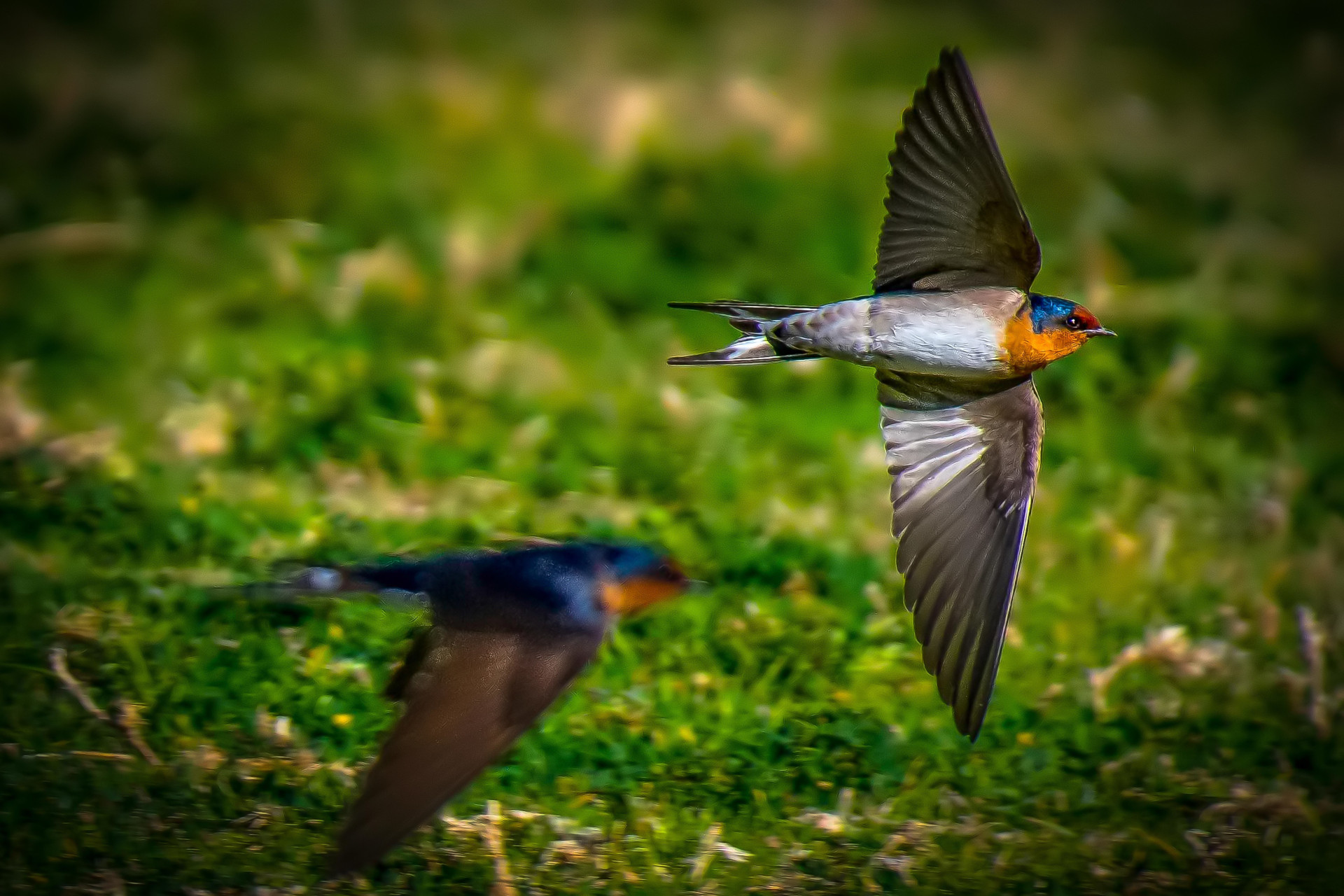
Welcome Swallow
birdsHirundo neoxena
It is a small, agile songbird native to Australia and nearby islands. Growing to about 15 cm in length, It has a glossy metallic blue-black back and head, a light grey breast and belly, and a distinctive rust-coloured forehead, throat, and upper breast.
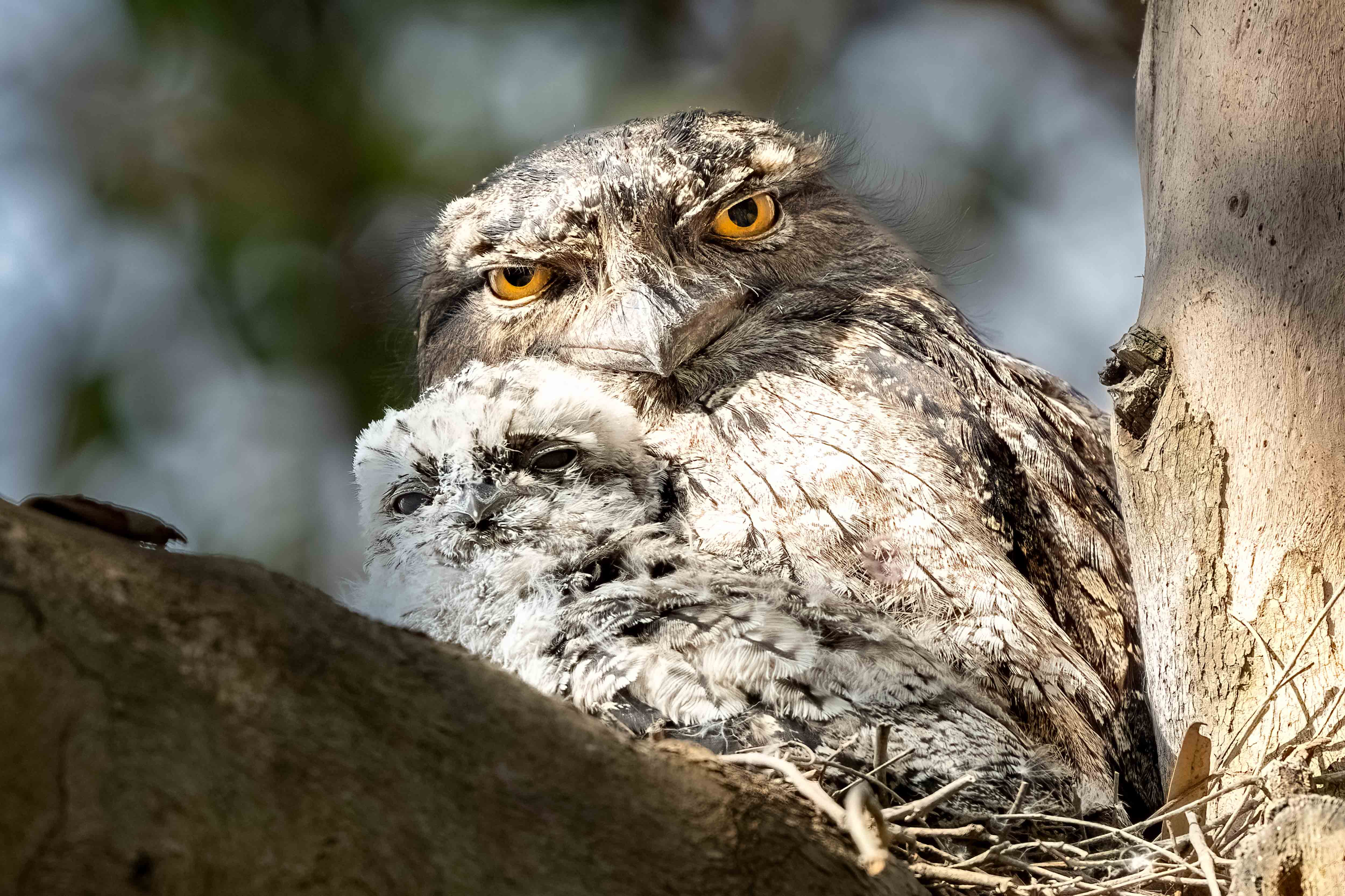
Tawny Frogmouth
birdsPodargus strigoides
It has a large, broad head with a wide, frog-like beak and big yellow eyes. It is a unique nocturnal bird native to Australia, famous for its incredible ability to mimic a dead tree branch. It has mottled silver-grey and brown plumage that provides perfect camouflage against bark. During the day, it sits motionless with its head pointed upwards and eyes narrowed to slits, appearing exactly like a broken branch—a behaviour known as "stumping".
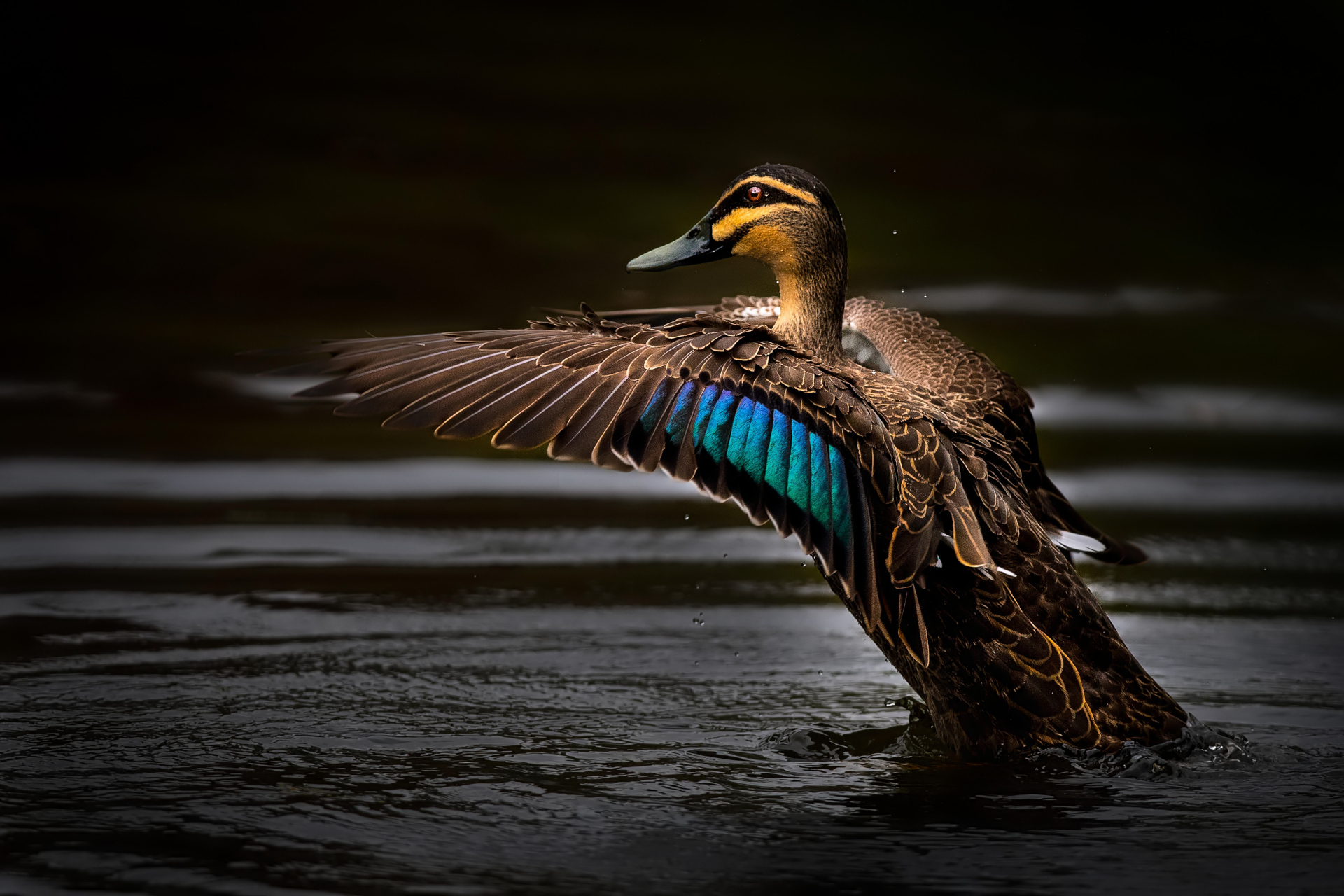
Pacific Black Duck
birdsAnas superciliosa
This mid-sized duck is one of Australia’s most widespread and versatile waterbirds. Despite its name, it is primarily mottled brown, with its "black" label likely referring to the bold dark stripes on its face. It feeds by upending itself in the water to reach aquatic plant seeds, small crustaceans, and insects.
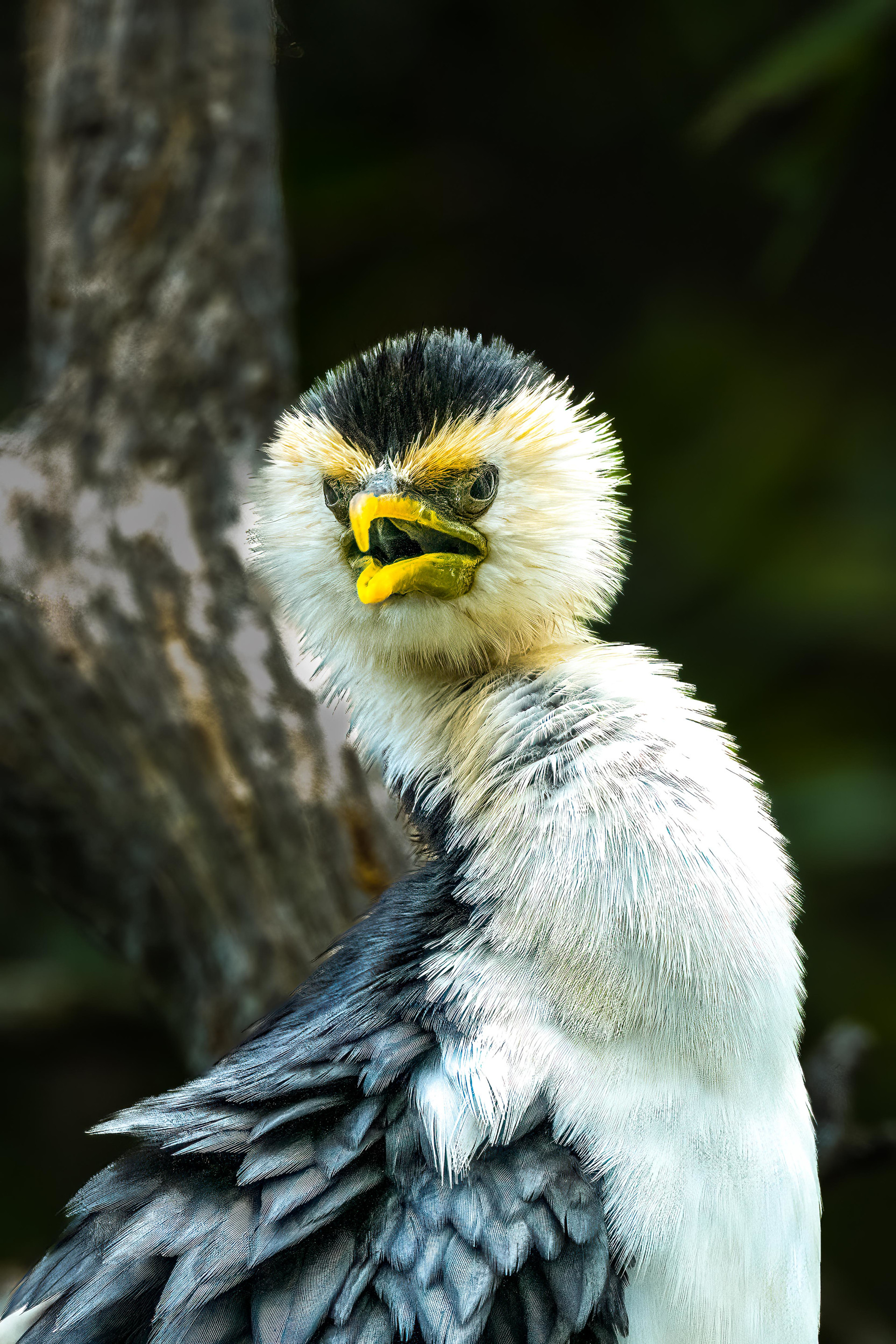
Little Pied Cormorant
birdsMicrocarbo melanoleucos
The smallest of the five cormorant species found in Australia, it is entirely black above and white below. It has a short, stubby yellow bill and a small black crest on its forehead.
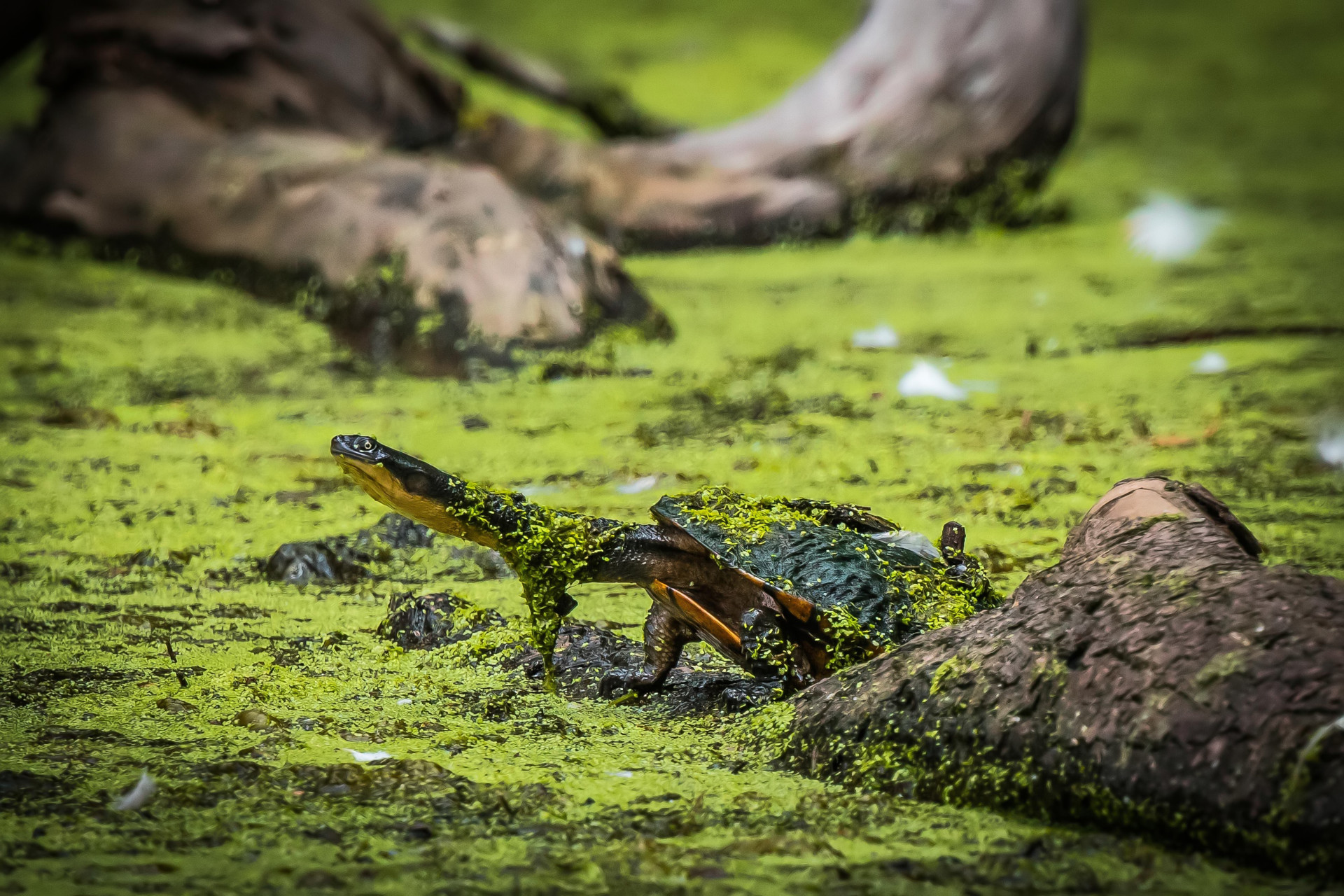
Eastern Long-necked Turtle
otherChelodina longicollis
It is the most widespread freshwater turtle in Australia. It is iconic for its remarkably long, serpentine neck, which can reach up to 60% of its shell length. When threatened, it releases a pungent, offensive-smelling fluid from musk glands near its legs, earning it the common nickname "stinker".
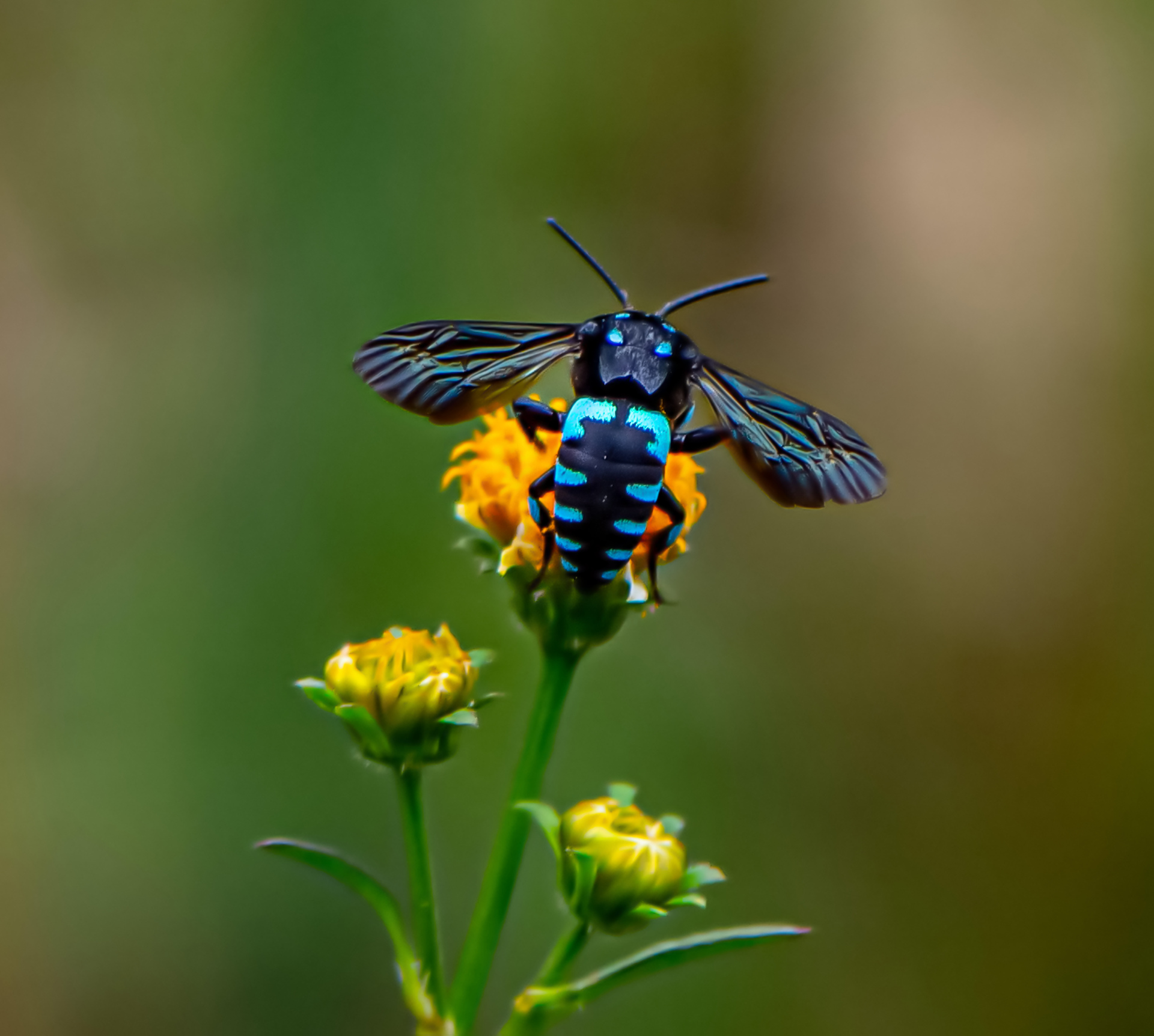
Neon Cuckoo Bee
otherThyreus nitidulus
A stocky, sturdy bee roughly the size of a honeybee (approx. 13 mm). It is covered in specialized branched hairs that create vivid neon blue spots and stripes against a jet-black body.
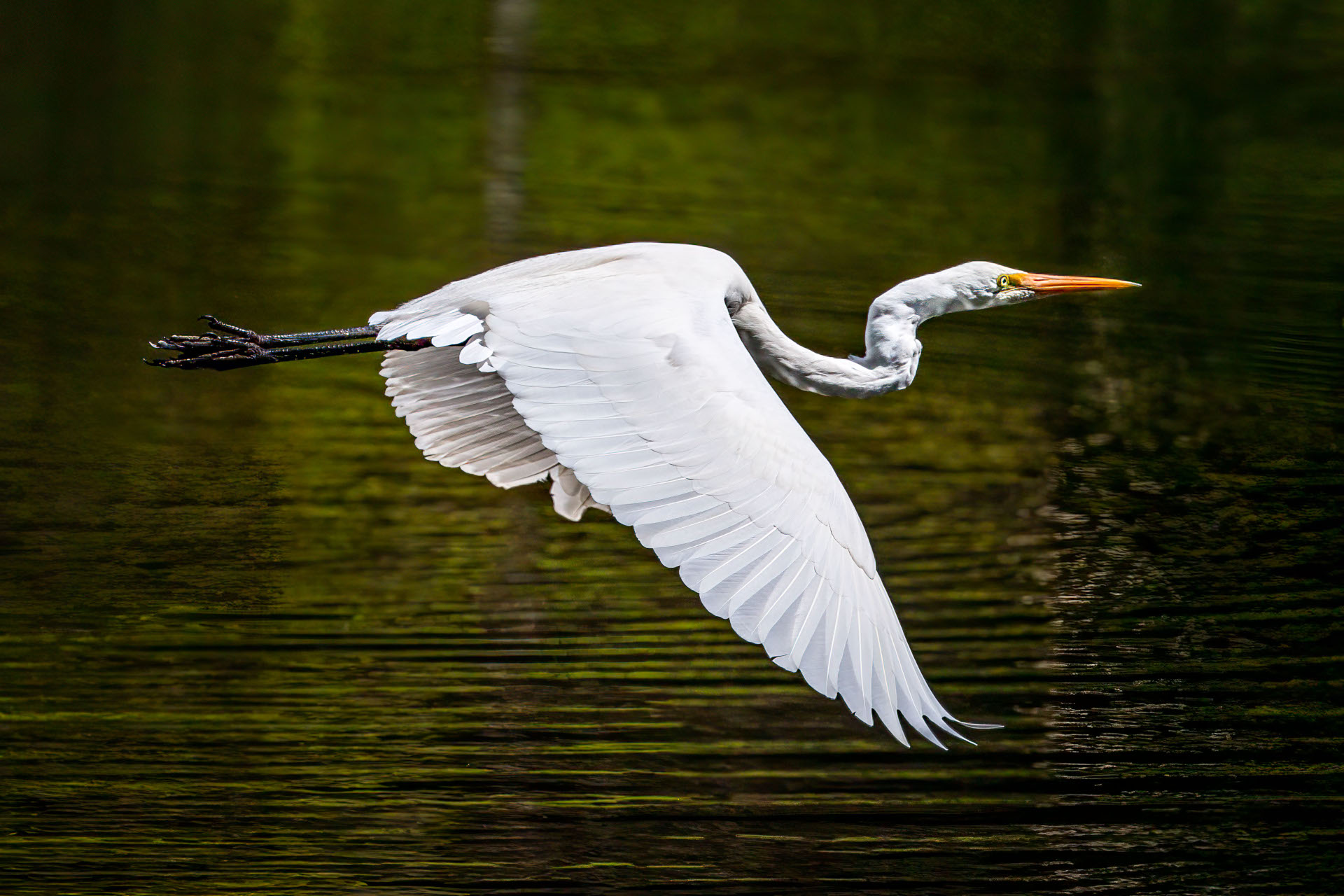
Eastern Great Egret
birdsArdea alba modesta
A versatile hunter, it is the largest of Australia's white egrets, known for its tall, slender silhouette and elegant wading.
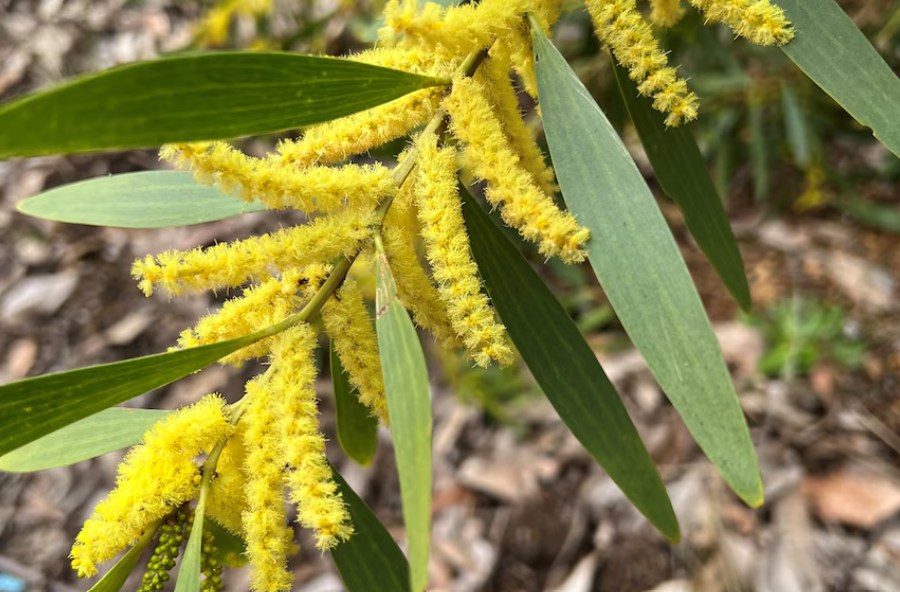
Sydney Golden Wattle
treesAcacia Longifolia
It is a fast-growing evergreen shrub or small tree native to southeastern Australia. It is widely recognised for its prolific display of bright yellow flowers and its hardy nature. It can reach up to 10m tall.
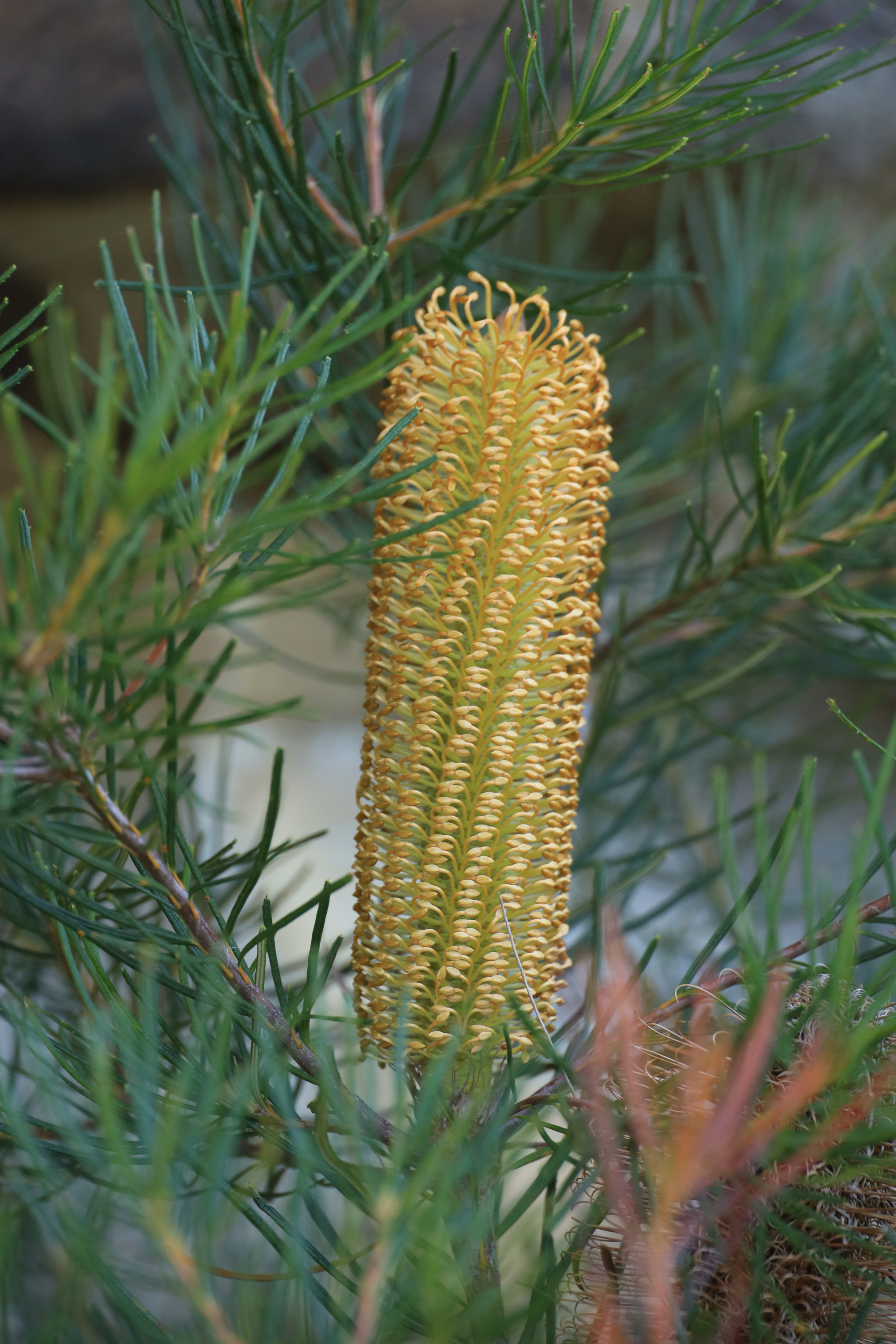
Hairpin Banksia
treesBanksia spinulosa
It is easily identified by its distinctive golden or honey-colored cylindrical flower spikes, which often feature small, hooked "hairpin" styles in colors ranging from gold to black. It appears from autumn through winter and into spring.
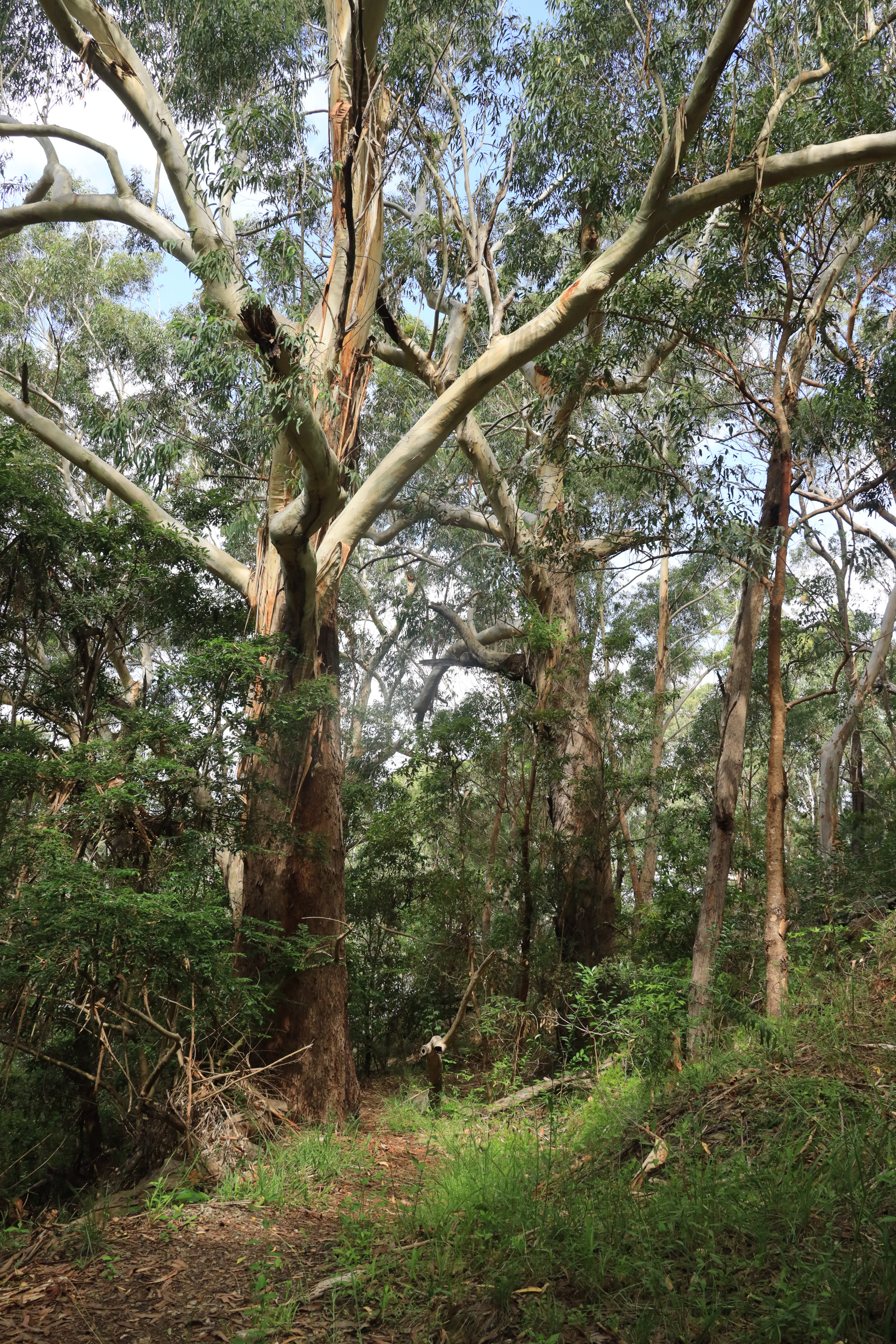
Blackbutt tree
treesEucalyptus pilularis
Blackbutt trees are one of the most significant and iconic hardwood species in Australia. Known for its rapid growth and massive size, it is a staple of eastern Australian forests and a primary source of high-quality timber.
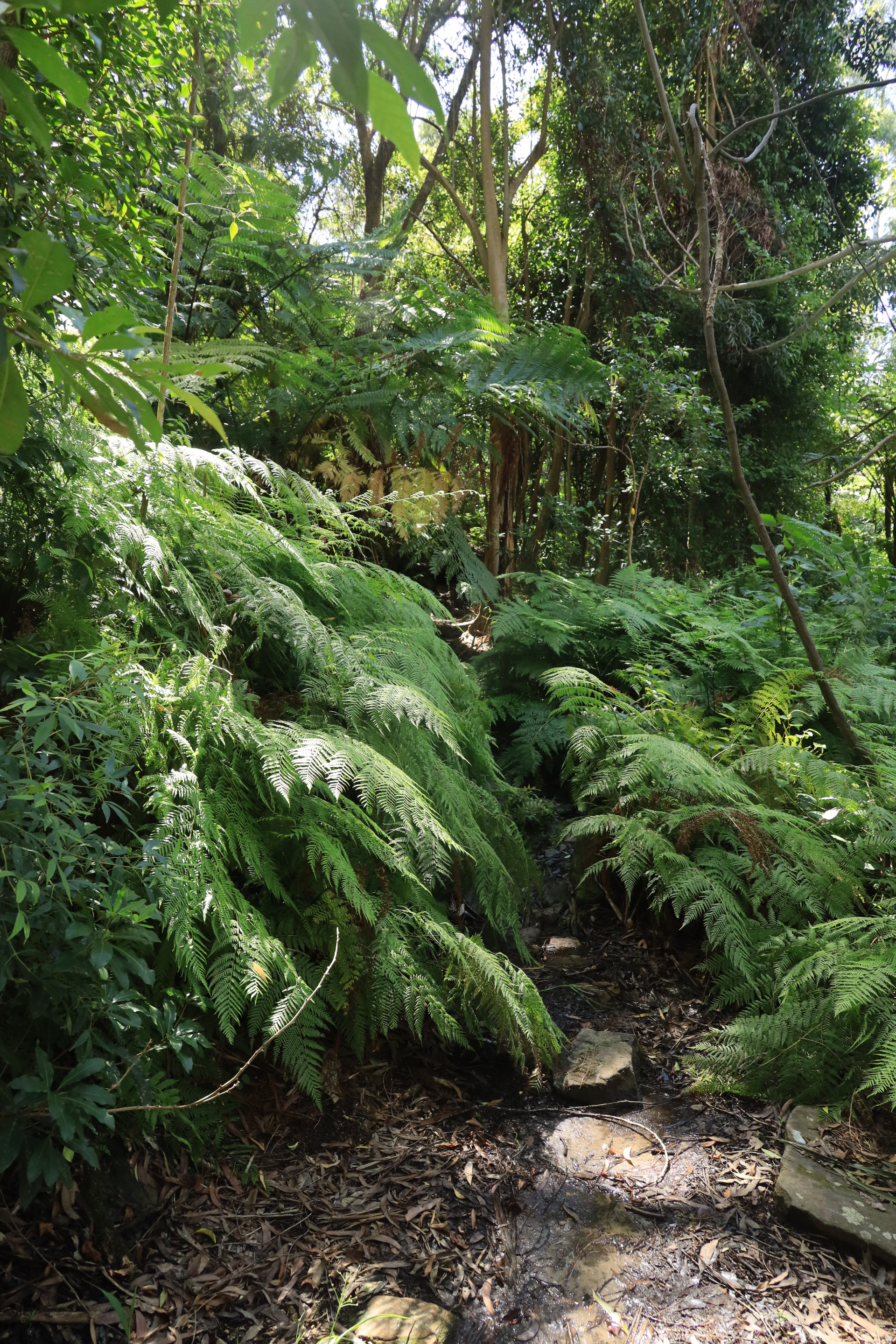
Lacy Tree Fern
treesCyathea cooperi
It is fast-growing and has a slender trunk marked with distinctive, oval, "coin-like" scars left by fallen fronds.
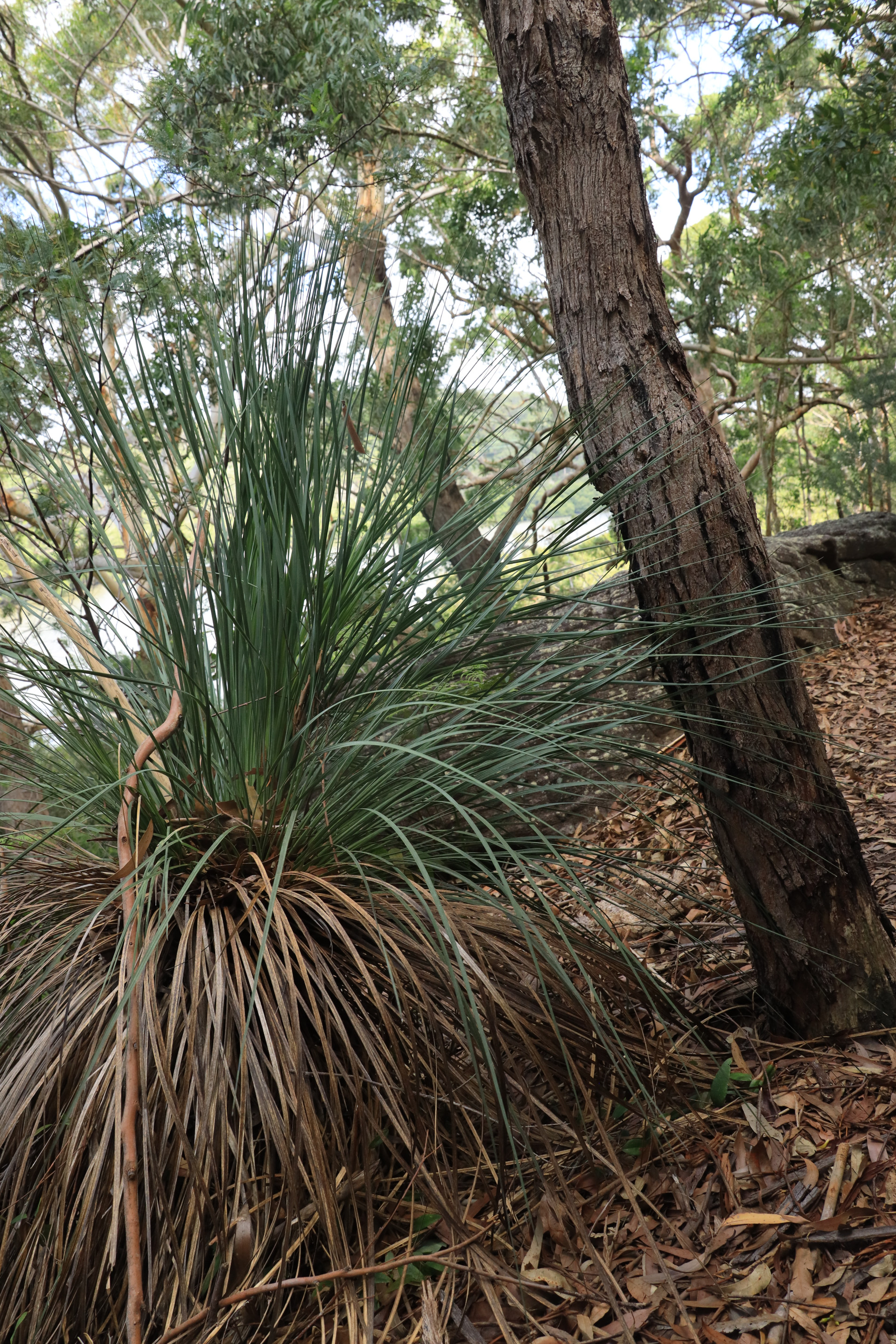
Grass tree
treesXanthorrhoea
The Grass Tree is an iconic, uniquely Australian plant known for its "skirt" of long, needle-like leaves and thick, fire-blackened trunk.
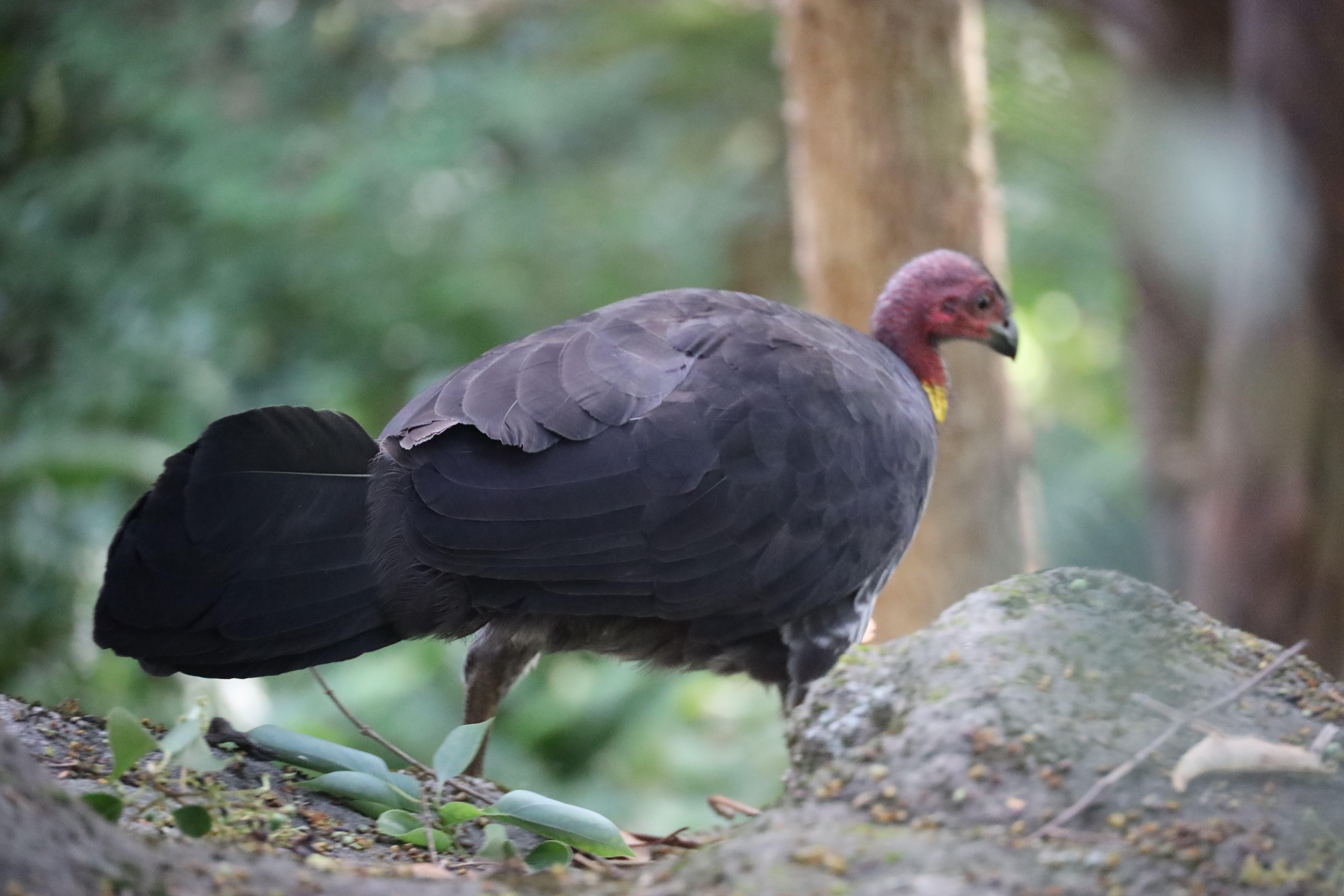
Australian BrushTurkey
birdsAlectura lathami
Also commonly called the bush turkey or scrub turkey, it is a large bird with black feathers and a red head. Its total length is about 60–75 cm with a wingspan of about 85 cm. It has a prominent, fan-like tail (flattened sideways) and its plumage is mainly blackish, but with a bare red head, and a yellow or purple wattle. Brushturkey eggs are a favourite food of goannas, snakes, dingoes and dogs.
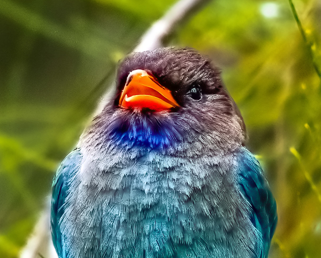
Dollarbird
birdsEurystomus orientalis
The Dollarbird arrives in northern and eastern Australia in September each year to breed. In March or April the birds return to New Guinea and adjacent islands to spend the winter. During breeding season, pairs of Dollarbirds are often seen flying in characteristic rolling flights. These flights are more common in the evening, and are accompanied by cackling calls.
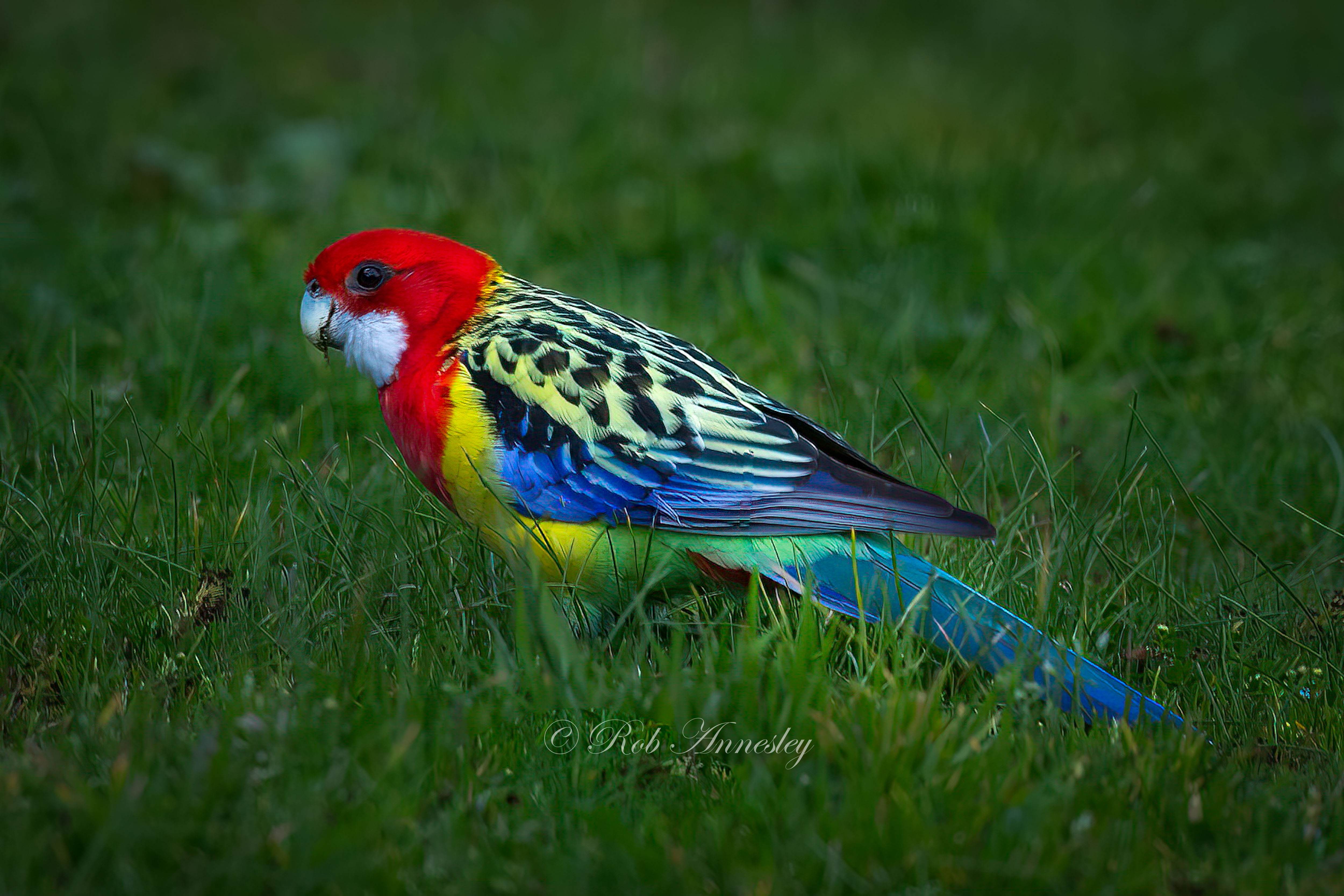
Eastern Rosella
birdsPlatycercus eximius
A colourful parrot native and endemic to South-Eastern Australia. It is about 30 cm in length, with a distinctive red head. They live 15 or more years and mostly feed on the ground for seeds, fruits, buds, flowers, insects and nectar.
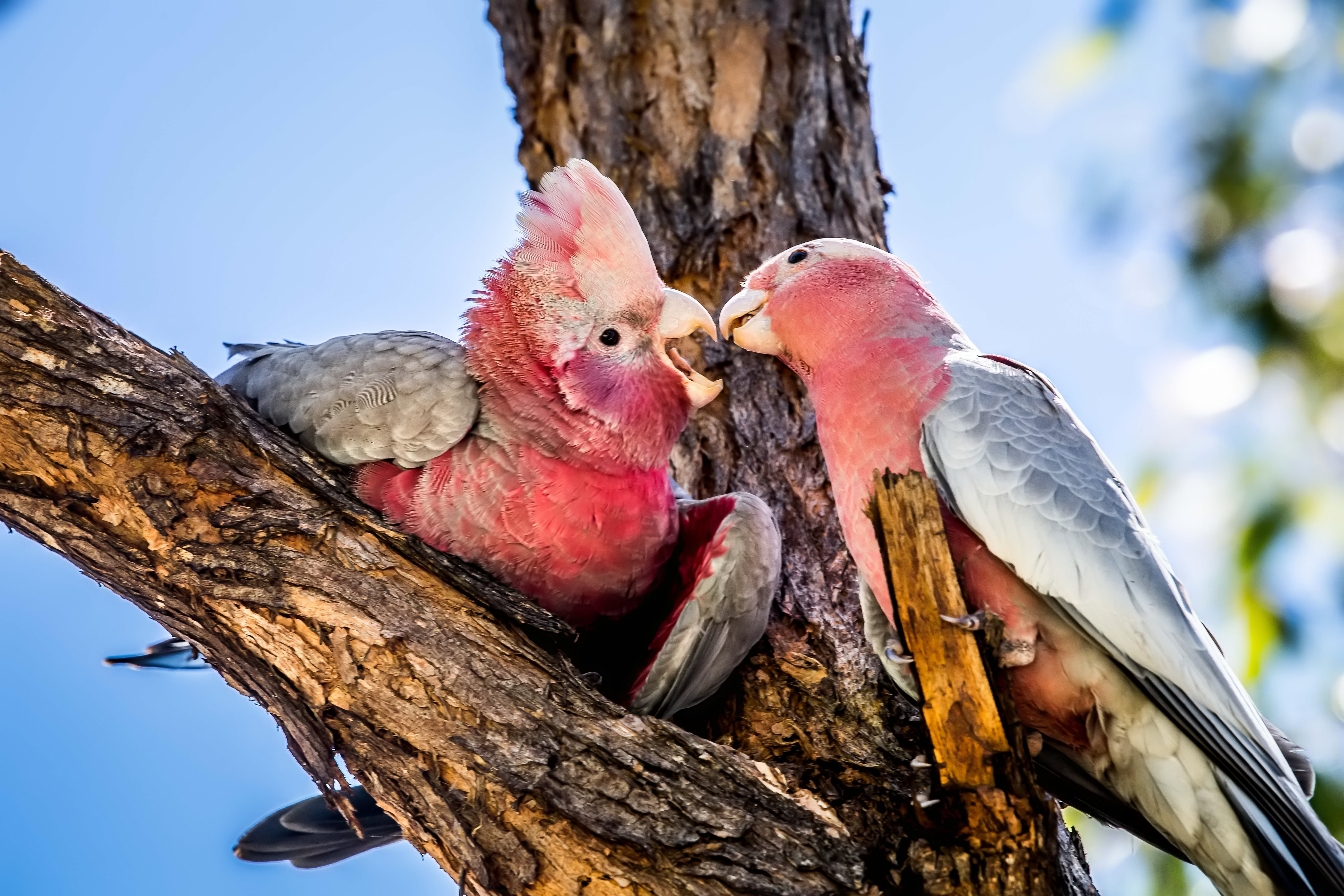
Galah
birdsEolophus roseicapilla
This cockatoo is endemic to mainland Australia and about 35cm in length. The back is silver, the face and breast is pink and the crest is a lighter pink. Its name is derived from the Aboriginal word gilaa from the Yuwaalaraay people spoken in north western NSW.
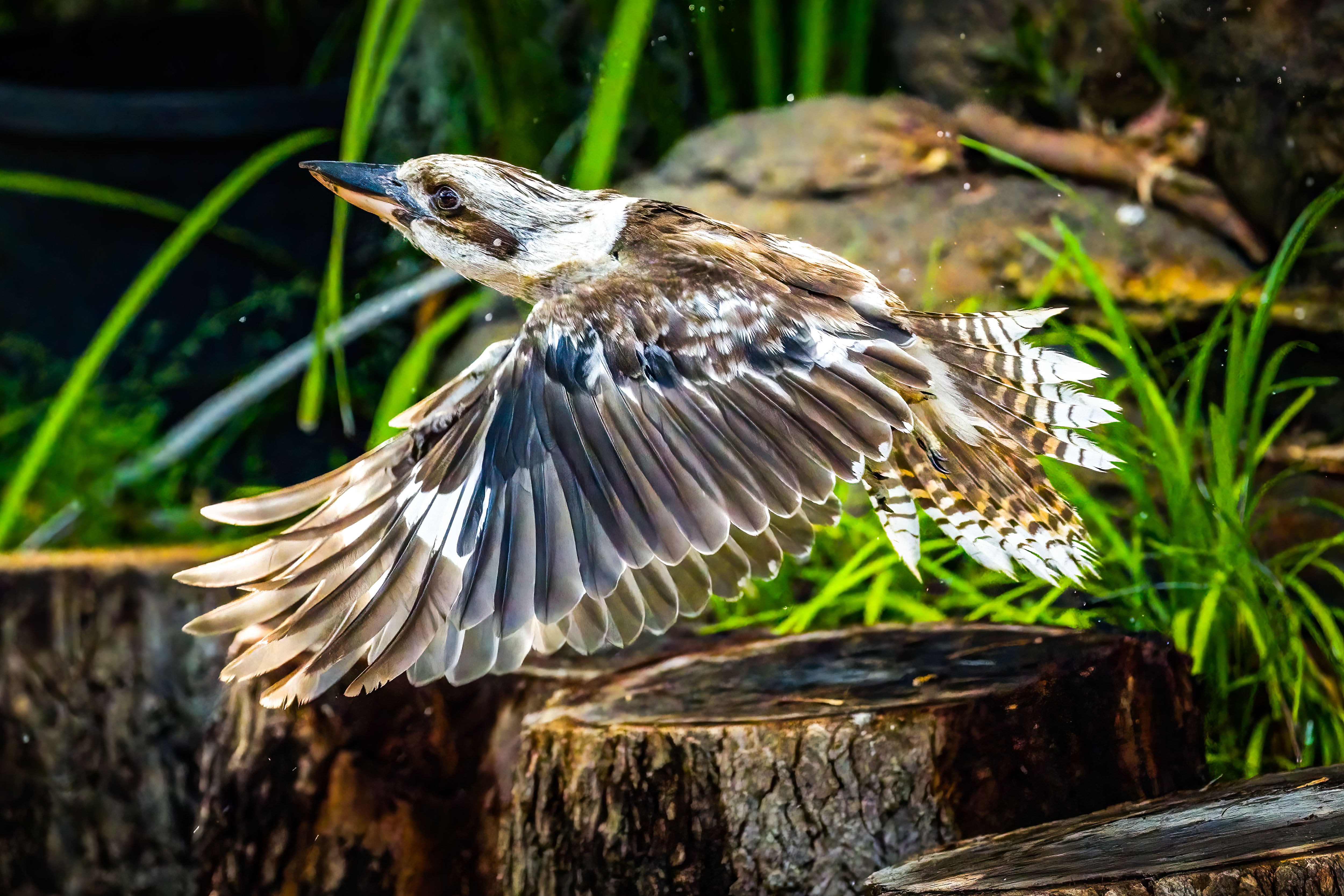
Kookaburra
birdsDacelo novaeguineae
This tree kingfisher got its name as a loanword from Wiradjuri "guuguubarra" and is onomatopoeic of its bird call. They feed mostly on insects, worms and crustaceans, although small snakes, mammals, frogs and birds may also be eaten. Kookaburras pair for life with the nest a bare chamber in a naturally occurring tree hollow or in a burrow excavated in an arboreal (tree-dwelling) termite mound.
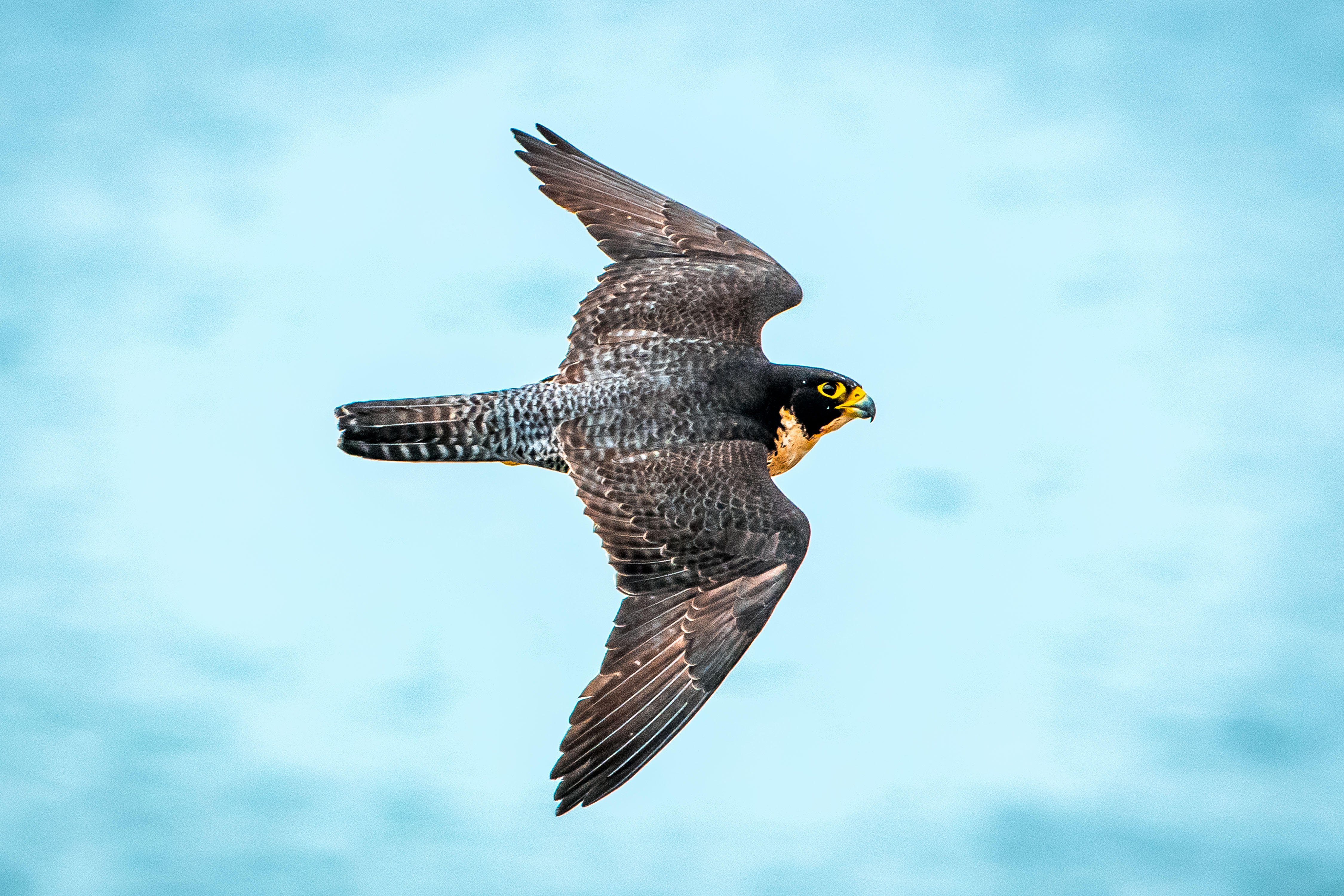
Peregrine Falcon
birdsFalco peregrinus
A large raptor (bird of prey) that is a strong efficient flyer. Its cone nostril helps break air pressure plus allows them to breathe normally during high speed dives. They feed on small and medium-sized birds, as well as rabbits and other day-active mammals.
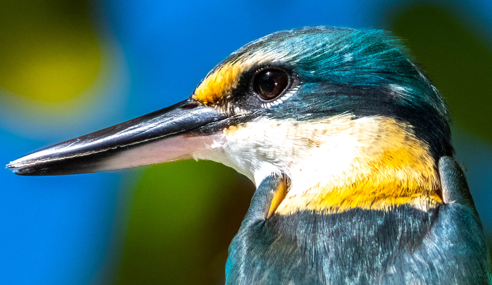
Sacred Kingfisher
birdsTodiramphus sanctus
It is mostly blue-green to turquoise above, with white underparts and collar feathers and a black mask (with the females usually greener). It will sit on a low branch and wait for prey to pass by before swooping. It will forage mainly on the land, only occasionally capturing prey in the water.
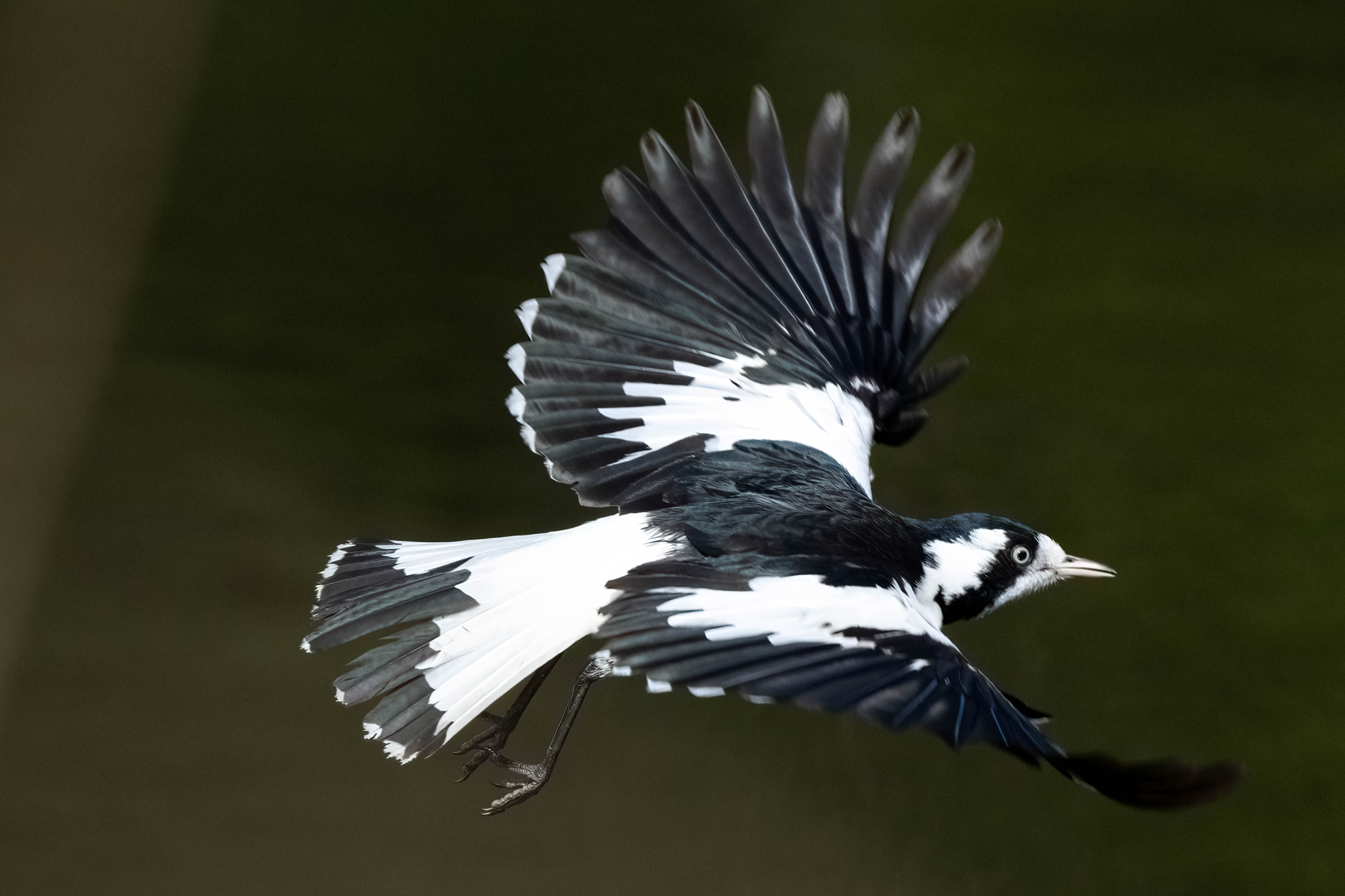
Magpie-lark
birdsGrallina cyanoleuca
Magpie-lark is mostly ground-dwelling. They build an unusual mud nest and generally breed from August to December. They gather wet mud and construct a bowl-shaped nest (lined with feathers and grass) on a horizontal branch, or similar site, often up to 20 m above the ground.
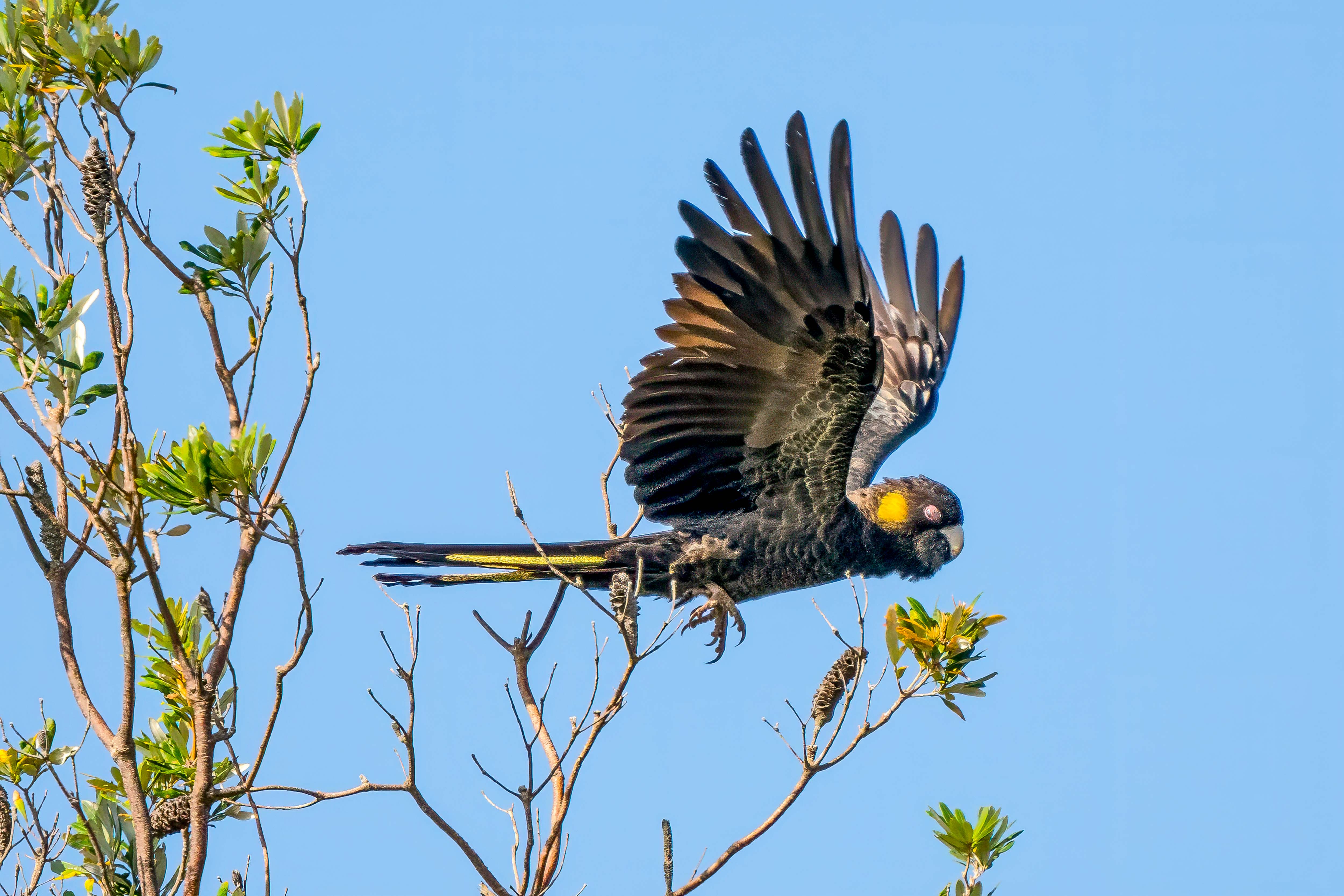
Yellow-Tailed Black Cockatoo
birdsZanda funerea
There has been a significant decline in population numbers of this large cockatoo. They feed on the seeds of native shrubs and trees (especially banksias, hakeas and casuarinas) as well as extracting the insect larvae that bore into the branches of wattles.