Evatt Park to Heinrich Reserve

easy 2.6 km 15 Points of Interest

Summary

An easy bushwalk covering historical landmarks then sloping downhill to Heinrich Reserve.

About This Walk

Although this historic walk in Lugarno starts at Evatt Park, it is best enjoyed if you start at the entry of the Rainforest Track on the North-Western edge at Blackbutt Avenue (car parking spots are available here).

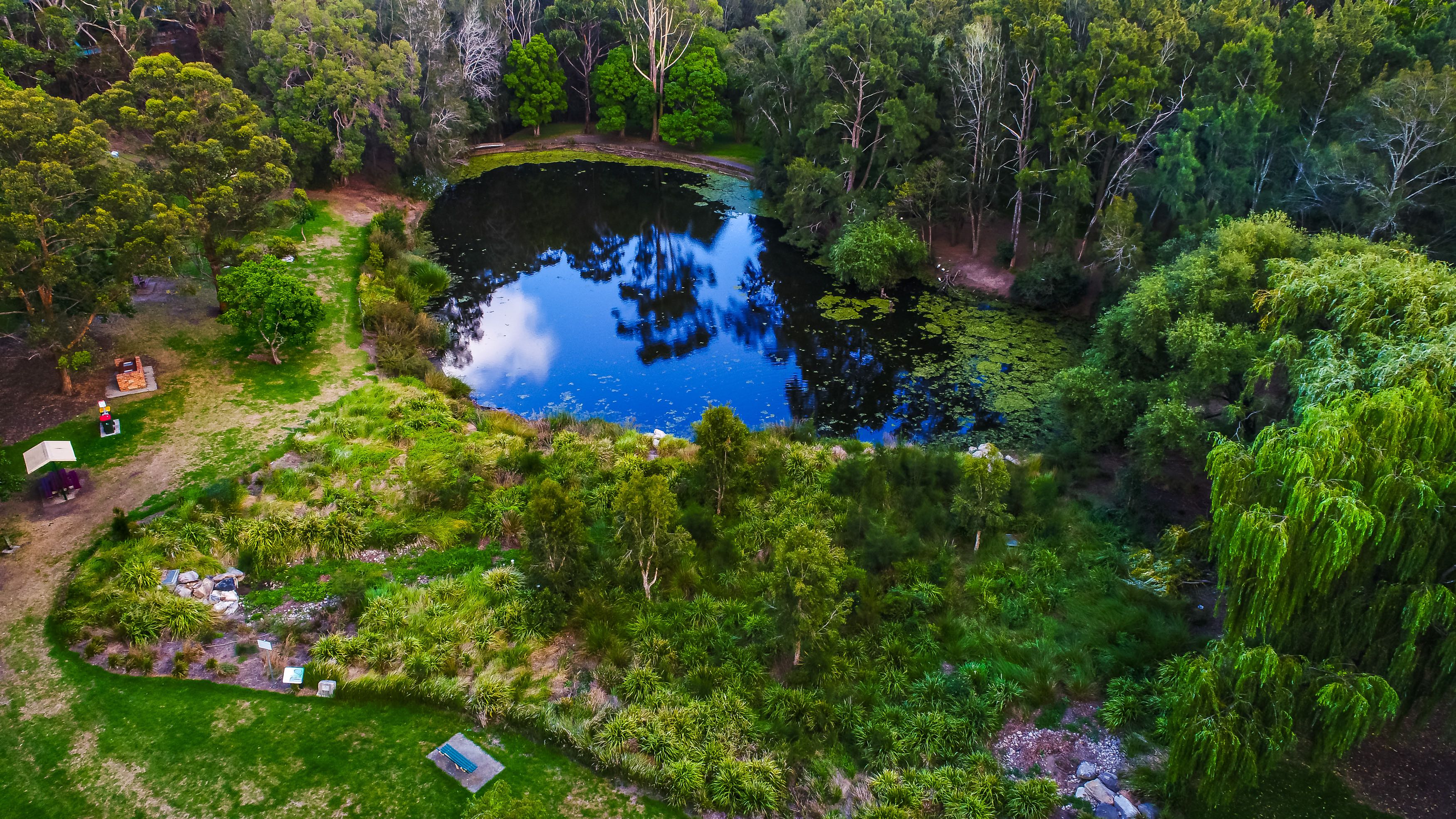
Take a moment to explore Webb's Dam. This area was formerly a large commercial market garden. Watch this YouTube video by local historian Ron Denholm to learn more about some of its history:   https://youtu.be/5sjrSgrPmQ4?si=Wjvx34drFUe-5zQz 

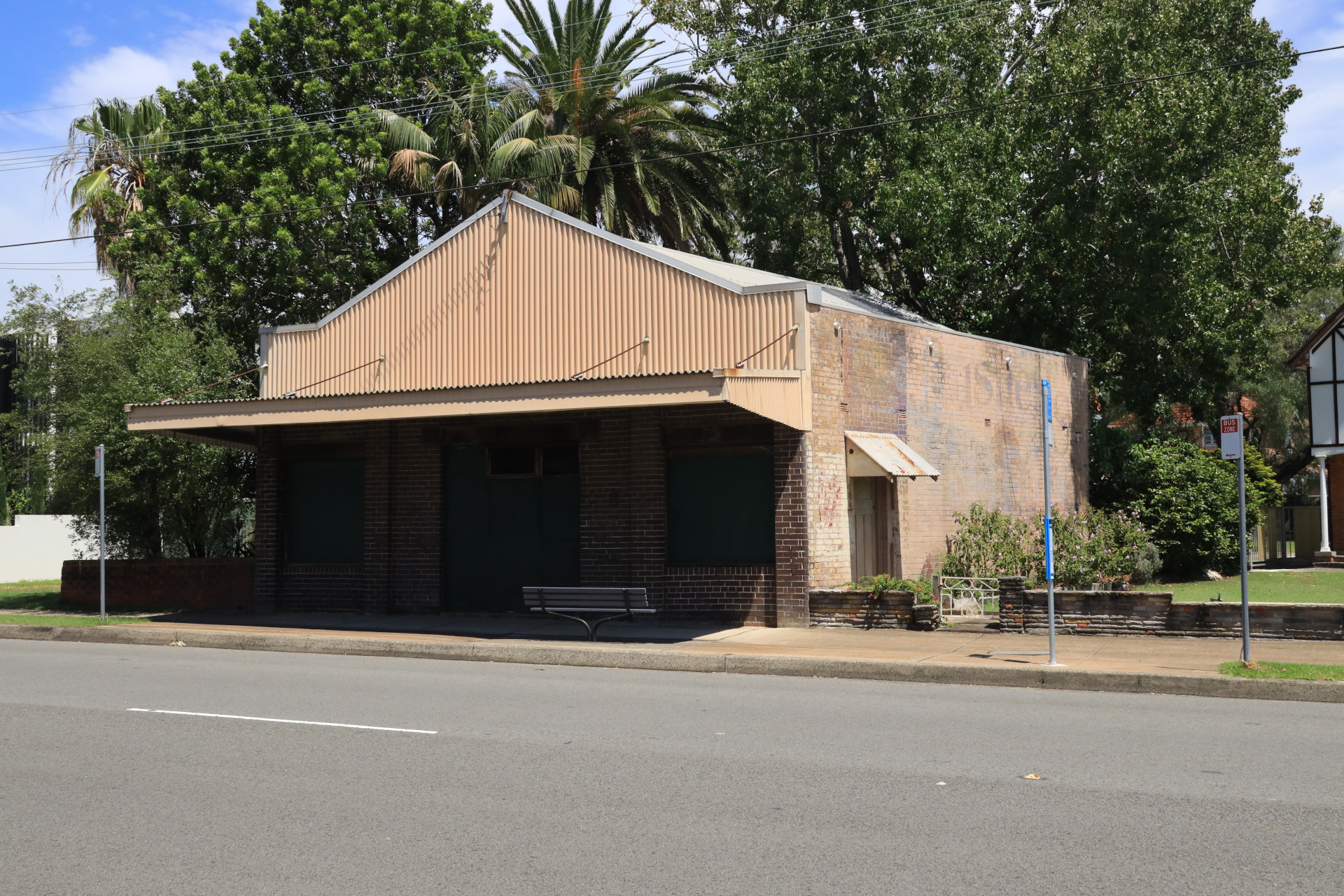
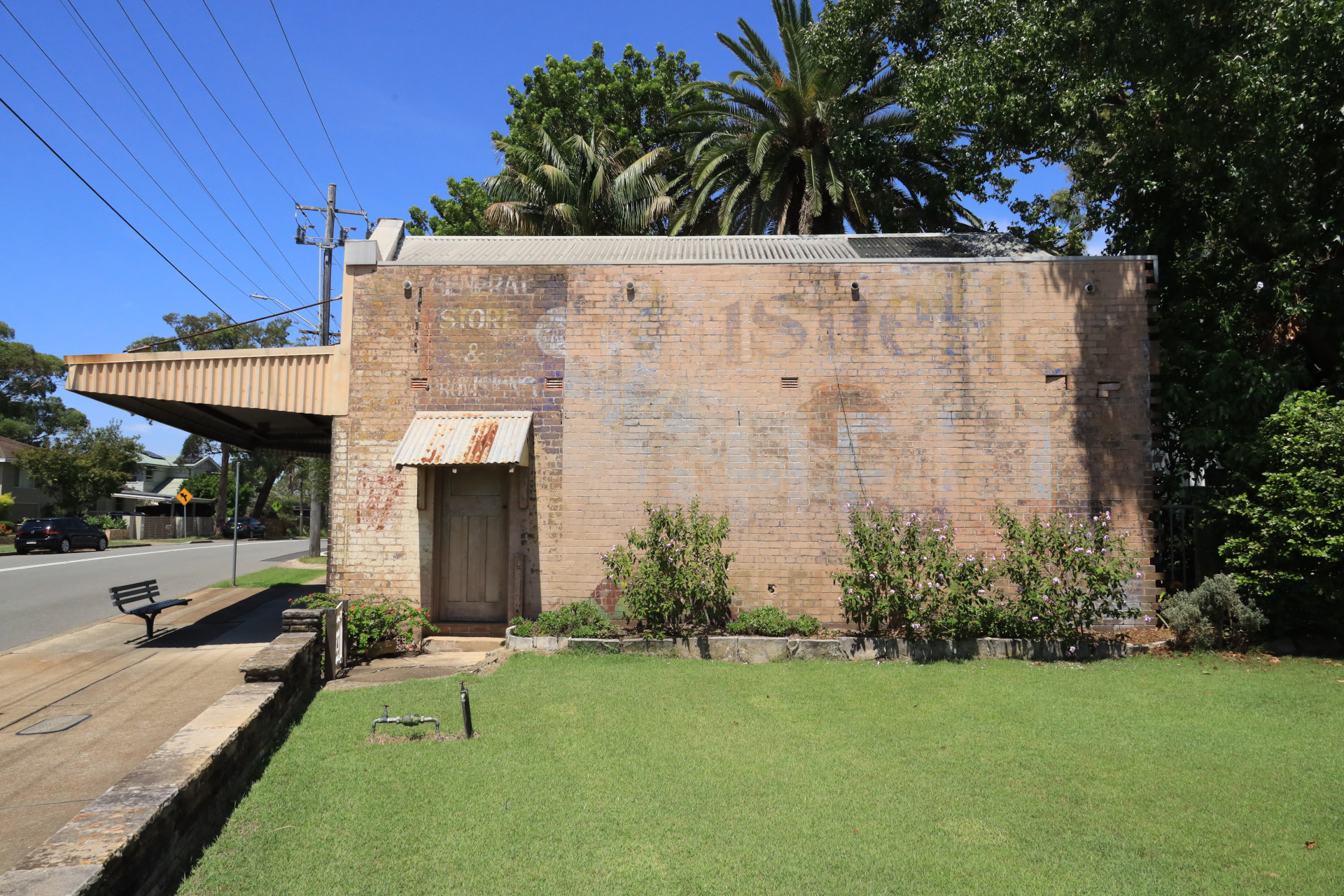
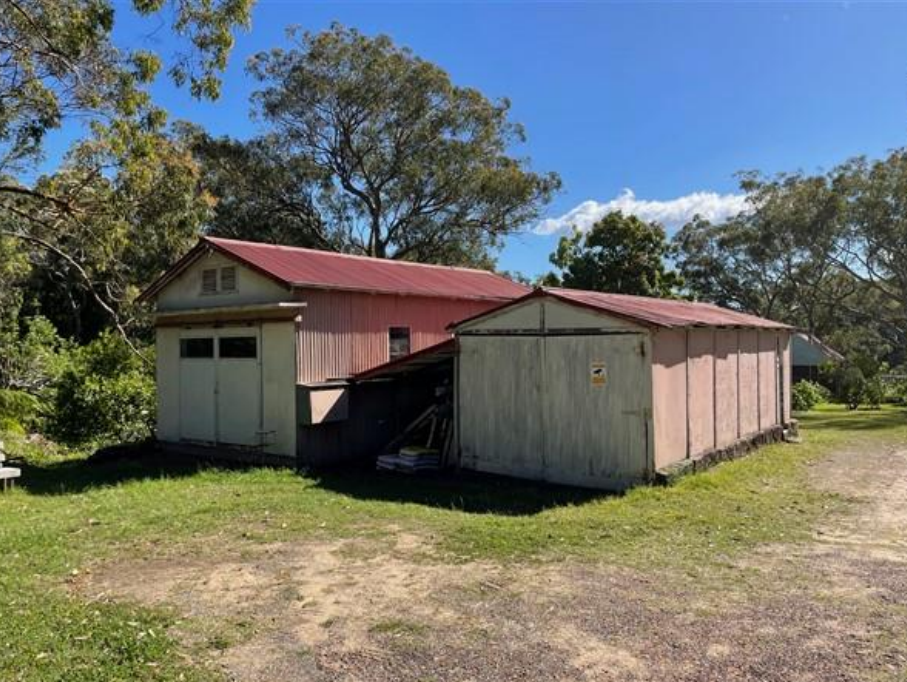
After Evatt Park you walk right down Forest Road to the intersection, where Old Forest Road splits off.  If you follow on the right it leads to Lugarno Primary School. However if you continue straight along Forest Road you will clearly see the historic Old Shop with the Bushell’s sign still visible. This is the site of the first service station in Lugarno.

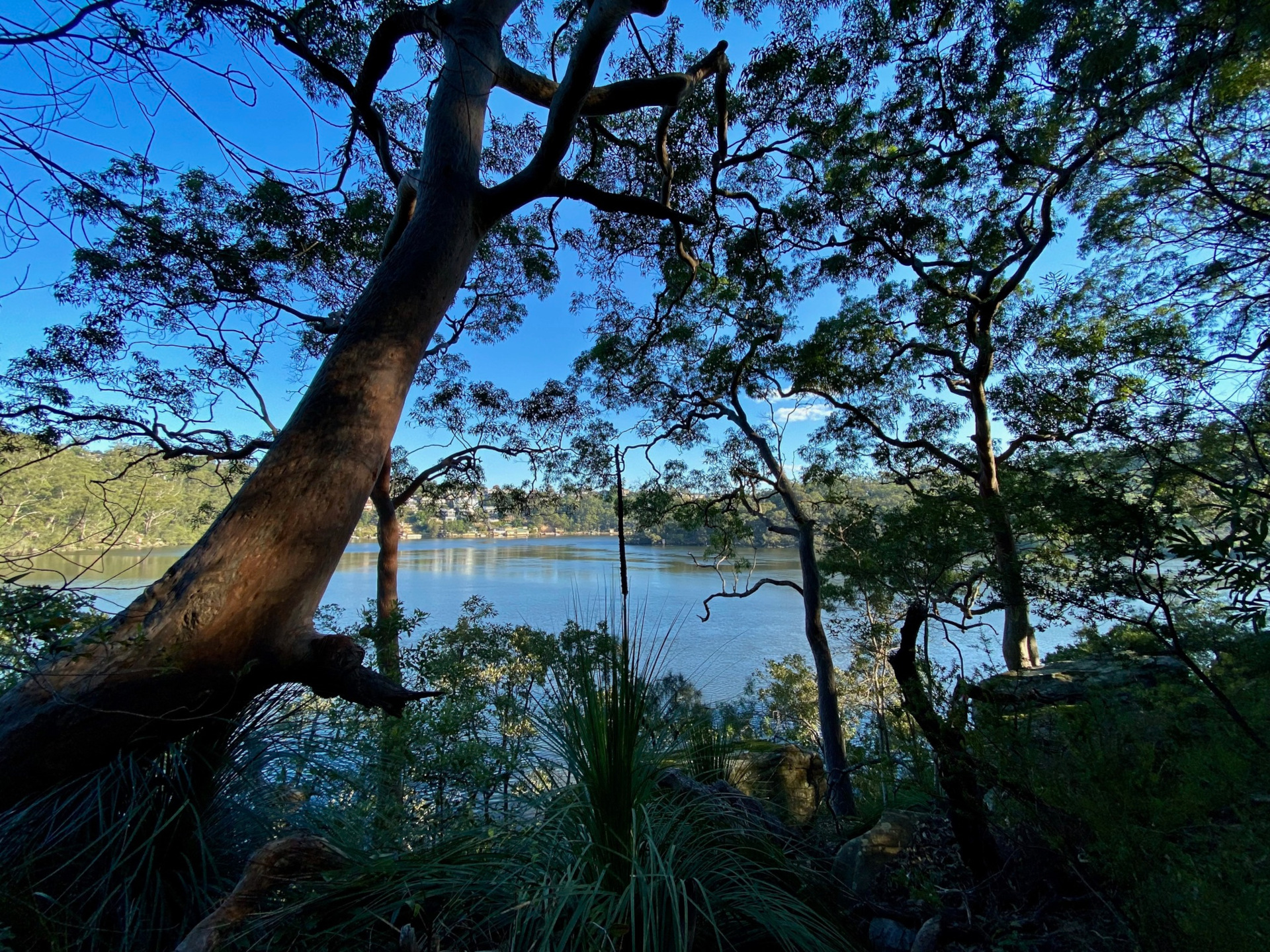
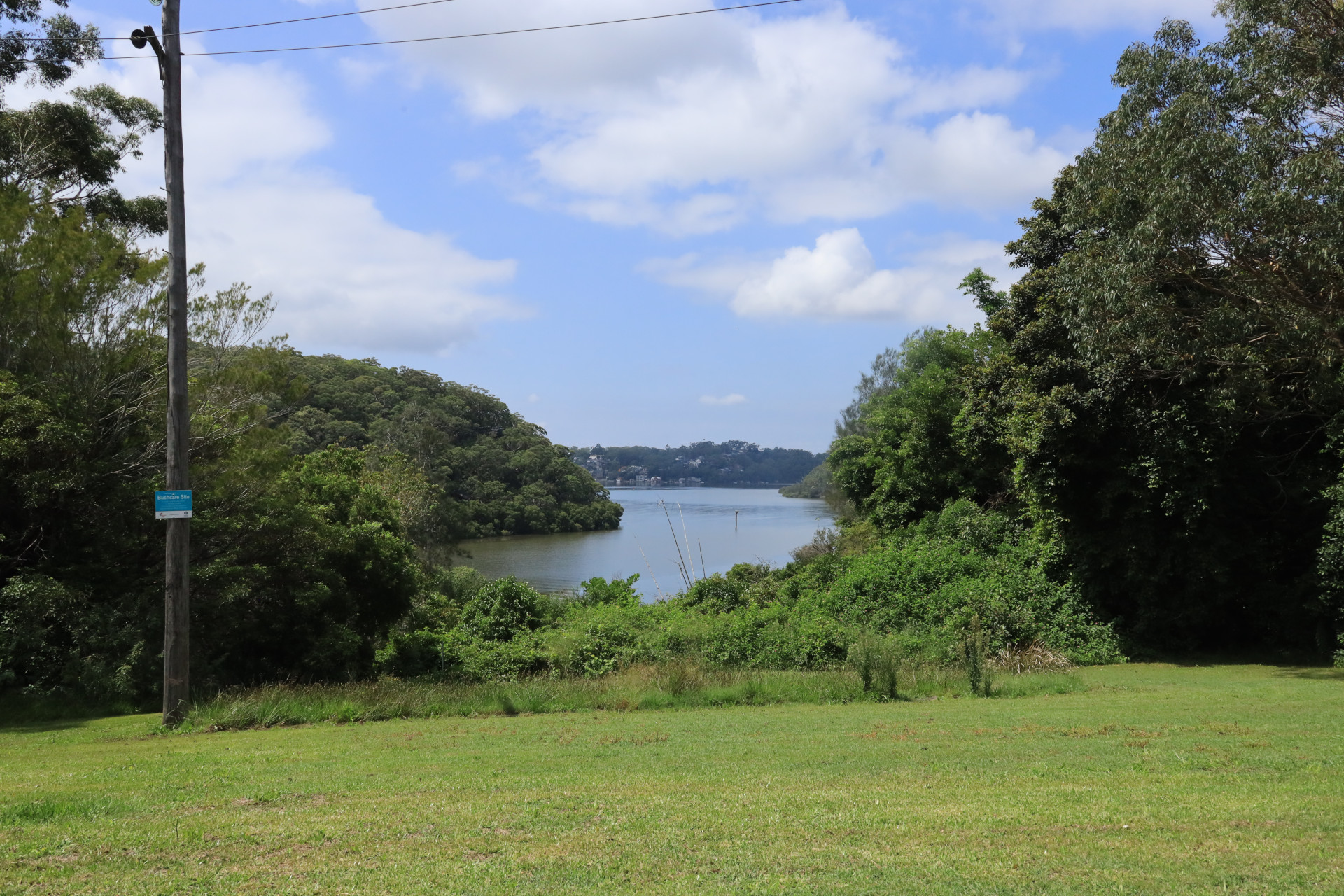
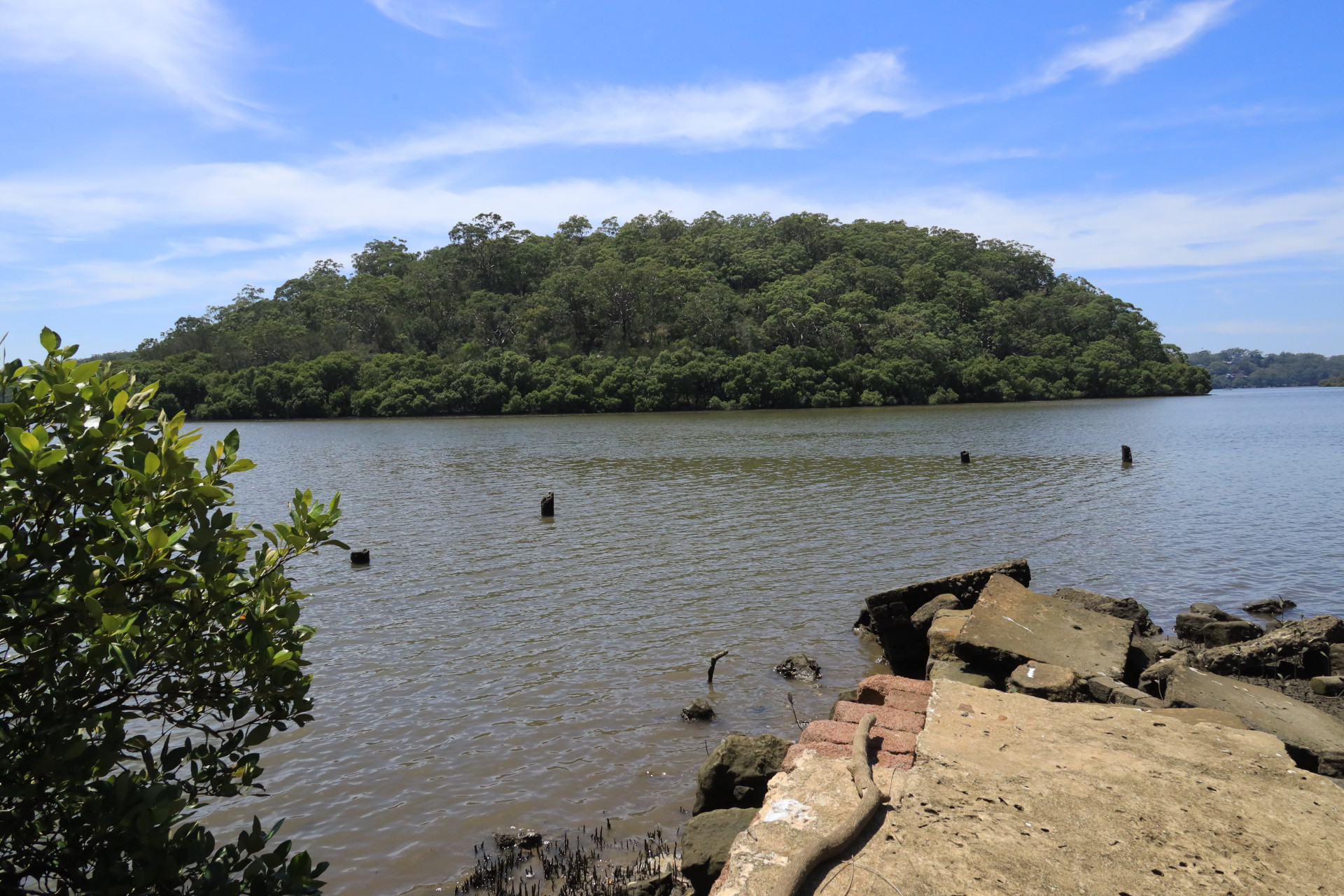
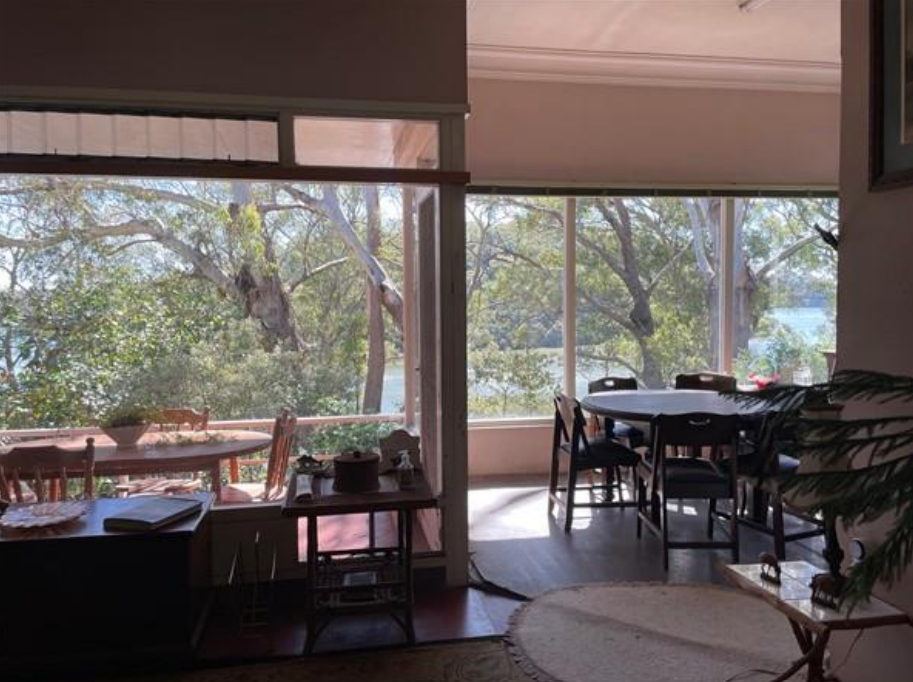
Going past Hillcross Street, you continue down Forest Road, then cross over to Boronia Parade. Once you continue downhill on Boronia Parade the elevation starts to open up magnificent views of Boggywell Creek (part of the Georges River).

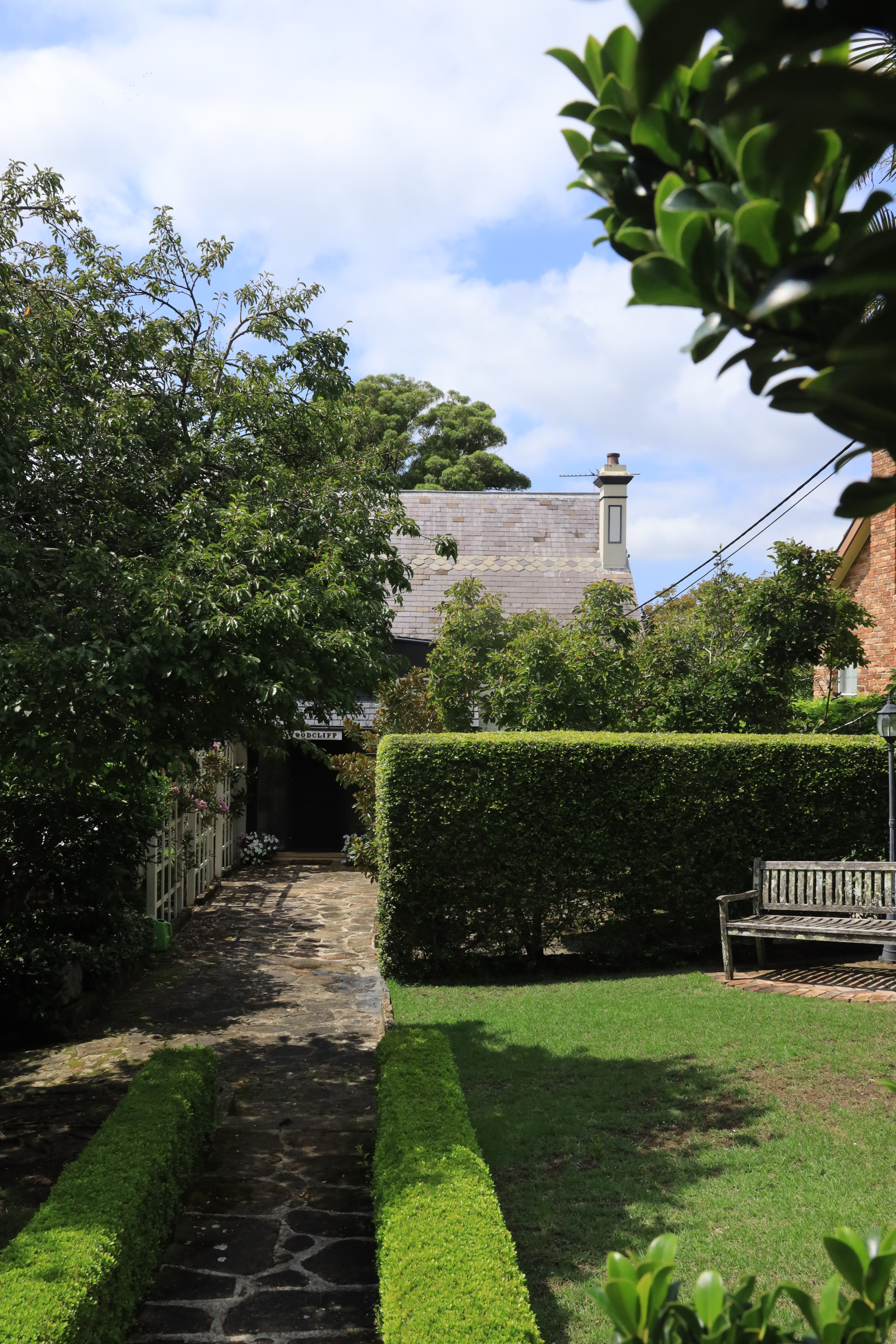
Boronia Parade takes you into Woodcliff Parade and here you will see the back of the Hermitage House, and then further along Heinrich House at 12 Woodcliff Parade. Together with Glenlee these 3 historic landmarks make up the Heritage Precinct. 

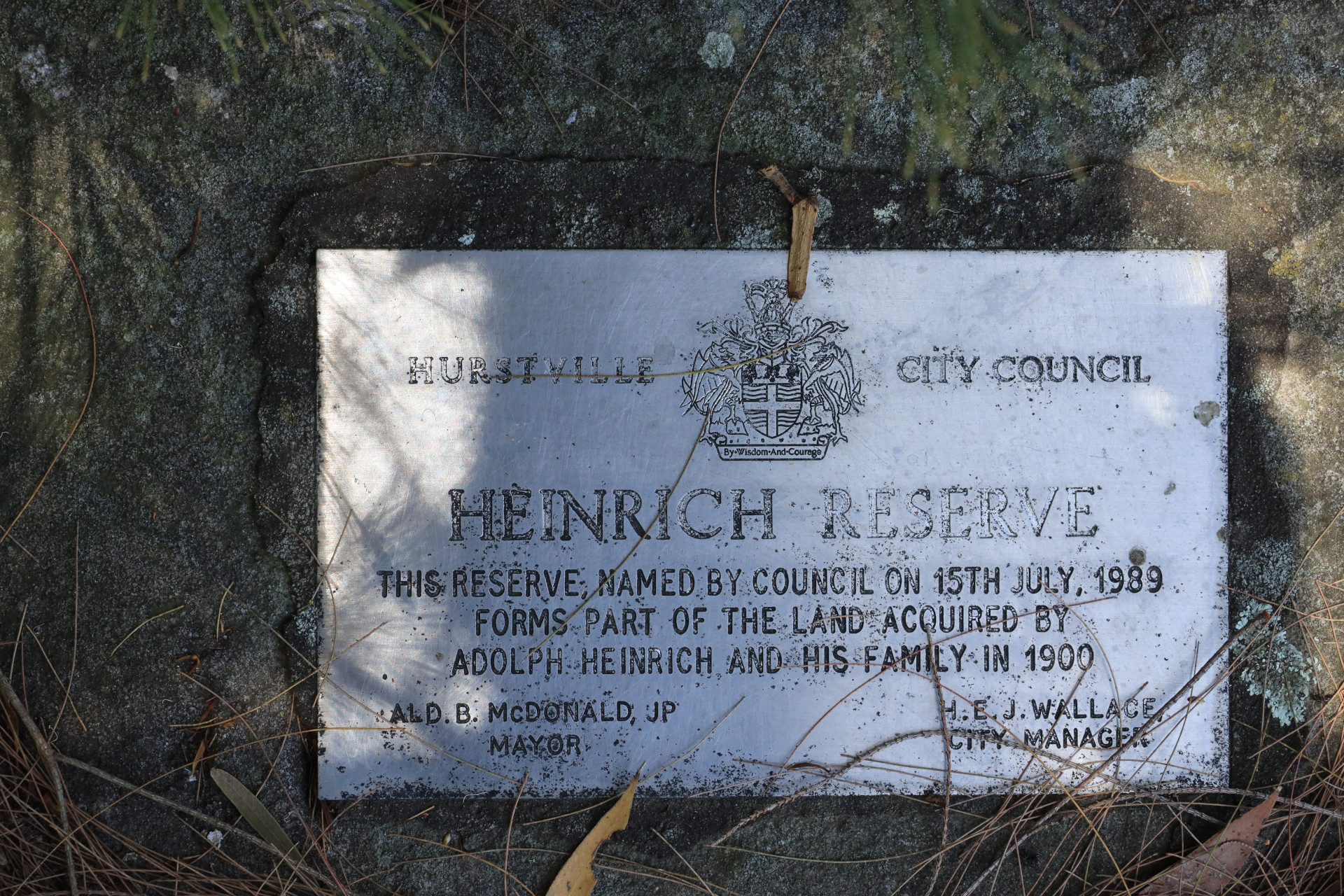
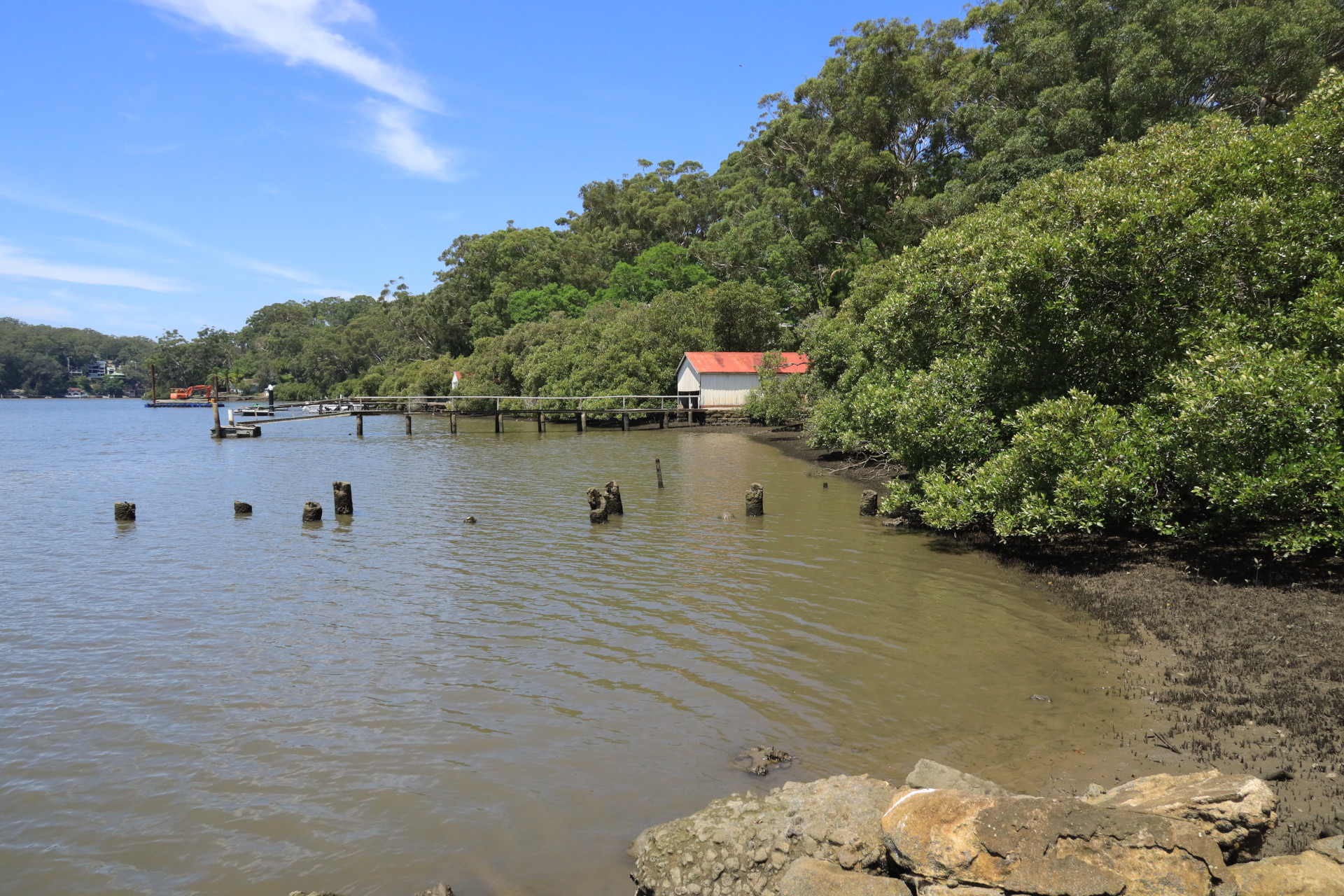
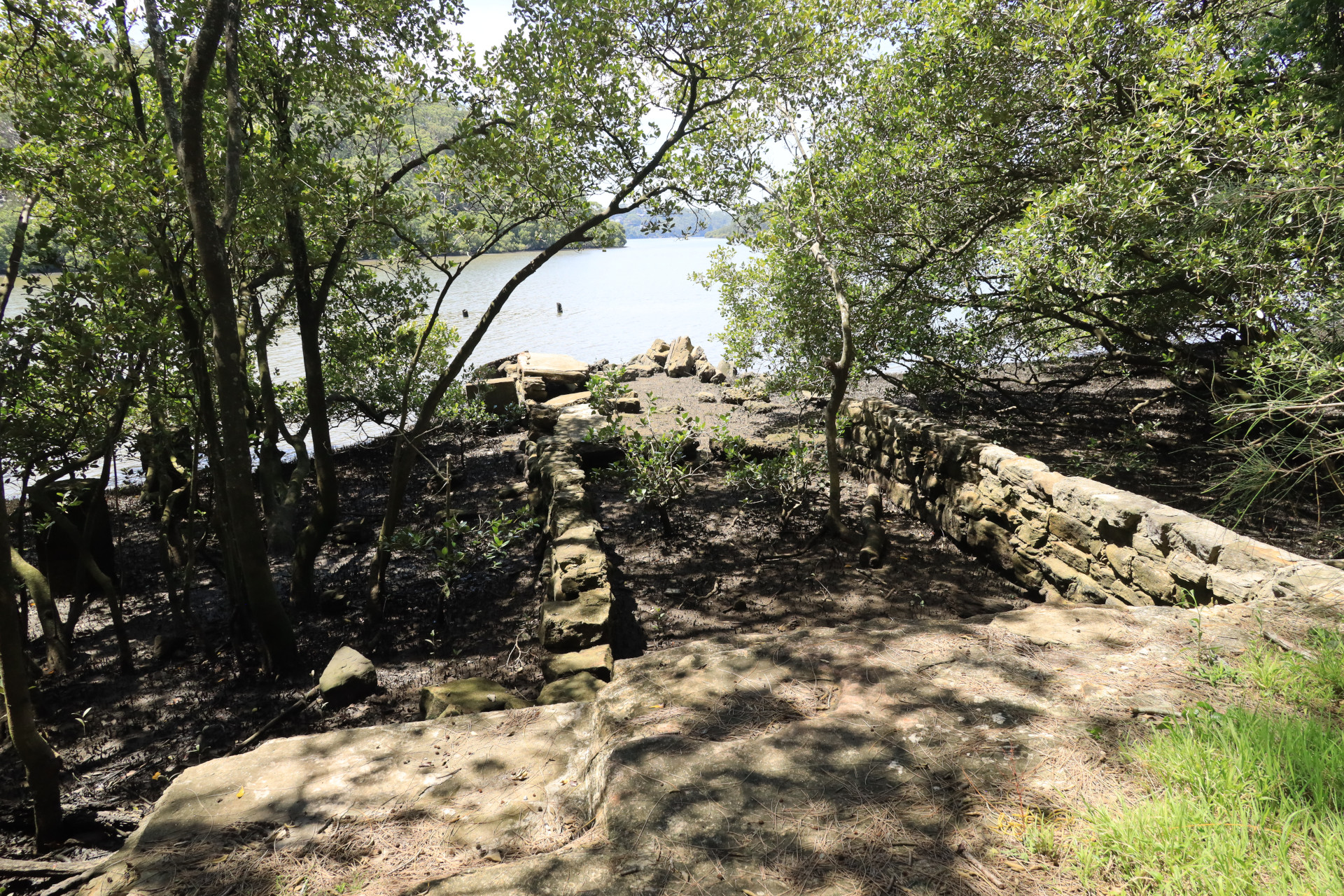
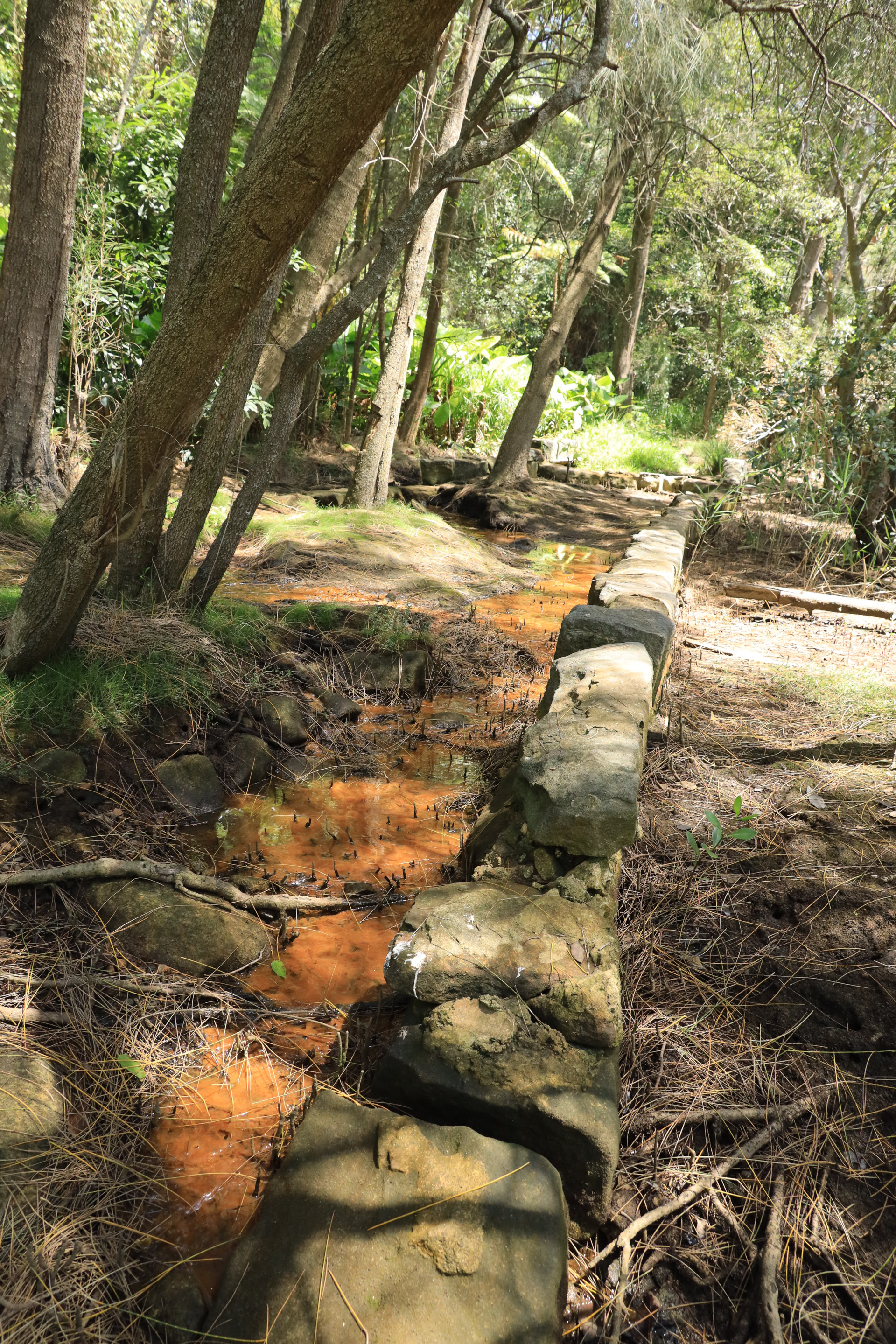
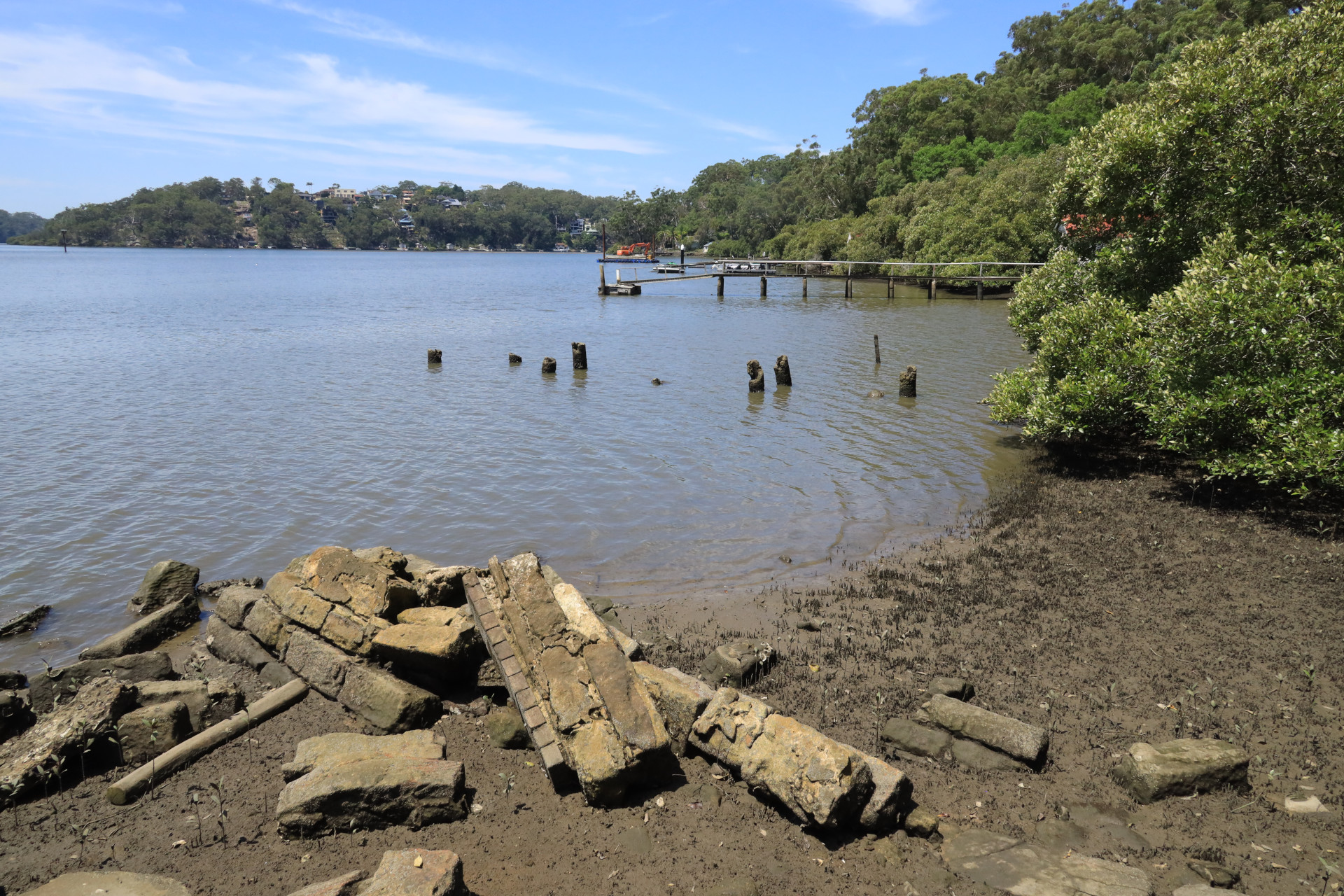
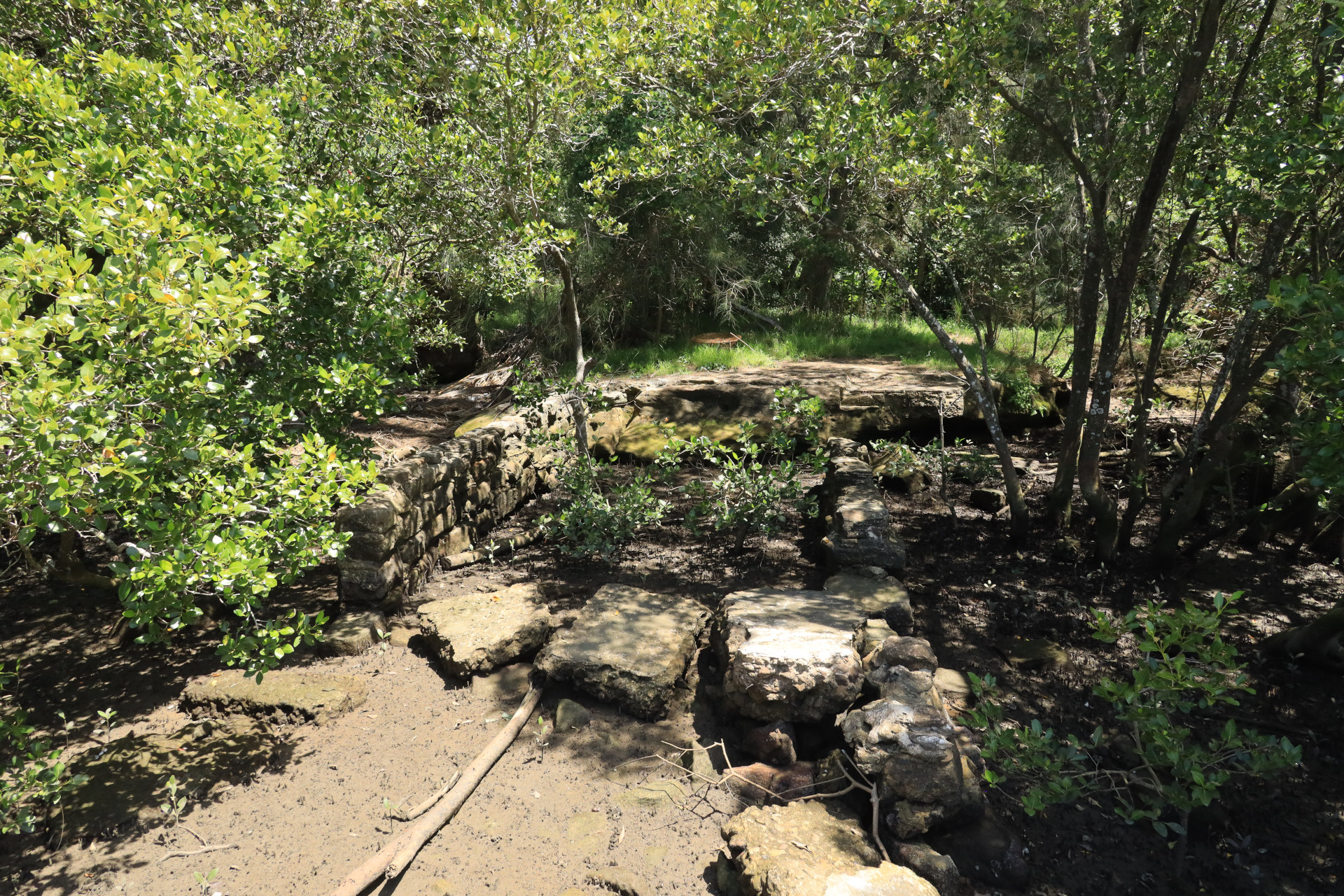
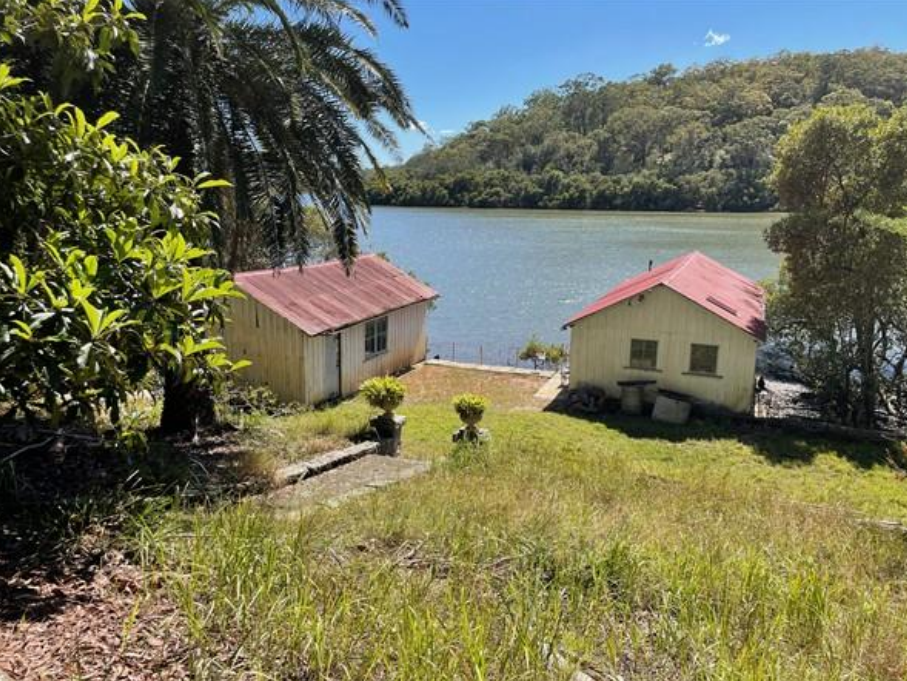
If you turn into Jacaranda and then Bayside Drive it will bring you to Heinrich Reserve. Explore the lower part of the reserve which has an historic road made from sandstone blocks, with culvert, foundations of jetty and oyster farm structures. 

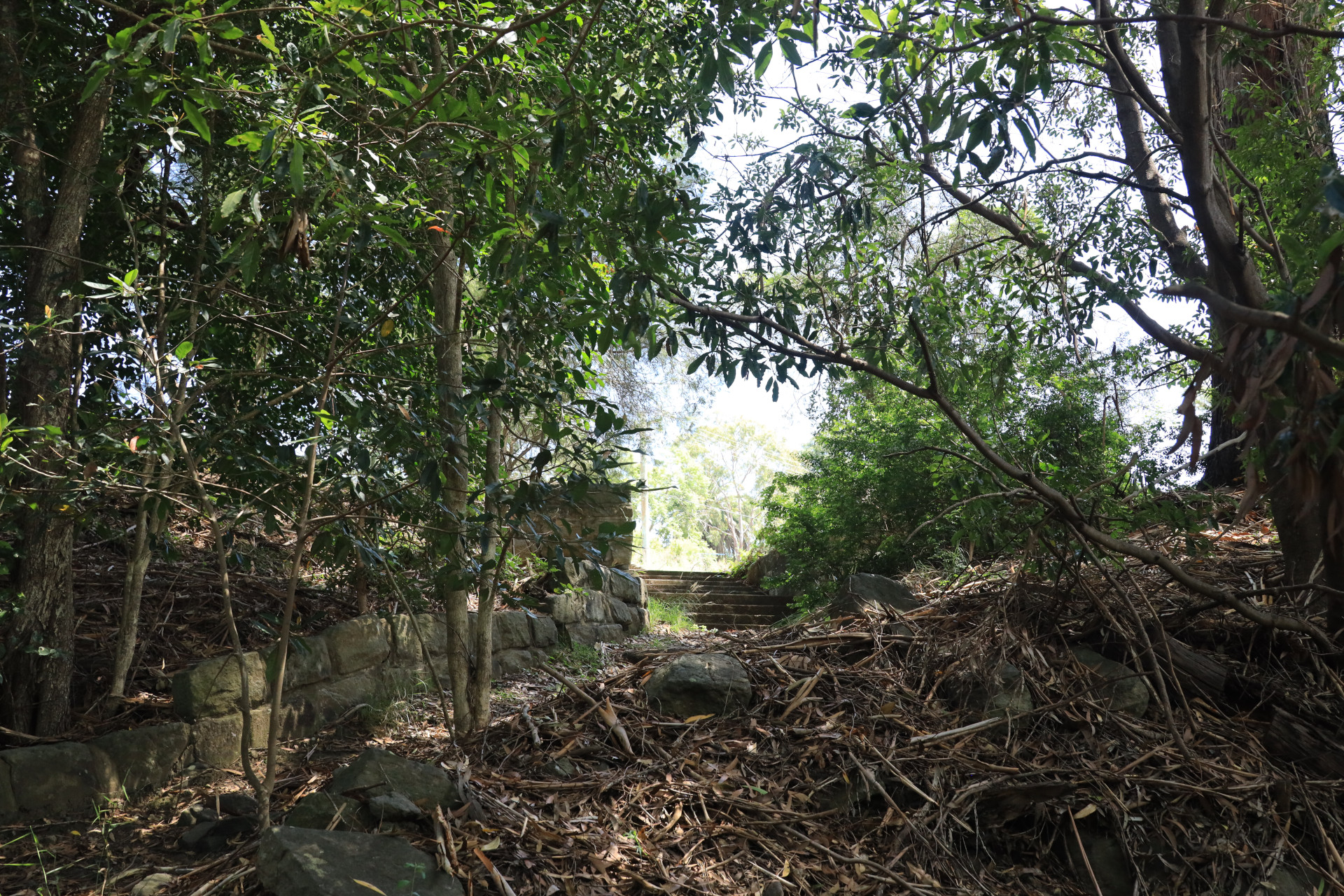
The Heinrich steps take you down to the creek and wetlands, and you can turn right to see more of the historic Glenlee or left to follow the walk through to Gannons Park (which becomes a separate walk). 

At 1 Bayside Drive is the Hermitage House, and behind the fence is Glenlee.

For additional satellite views showing changes over time on the Glenlee land, head to these YouTube videos by local historian Ron Denholm:

https://youtu.be/vqzYERWDGy8?si=mrvBkPo3ZtH_RwgU         https://youtu.be/4Wri2-soHVQ 

Walk Layout

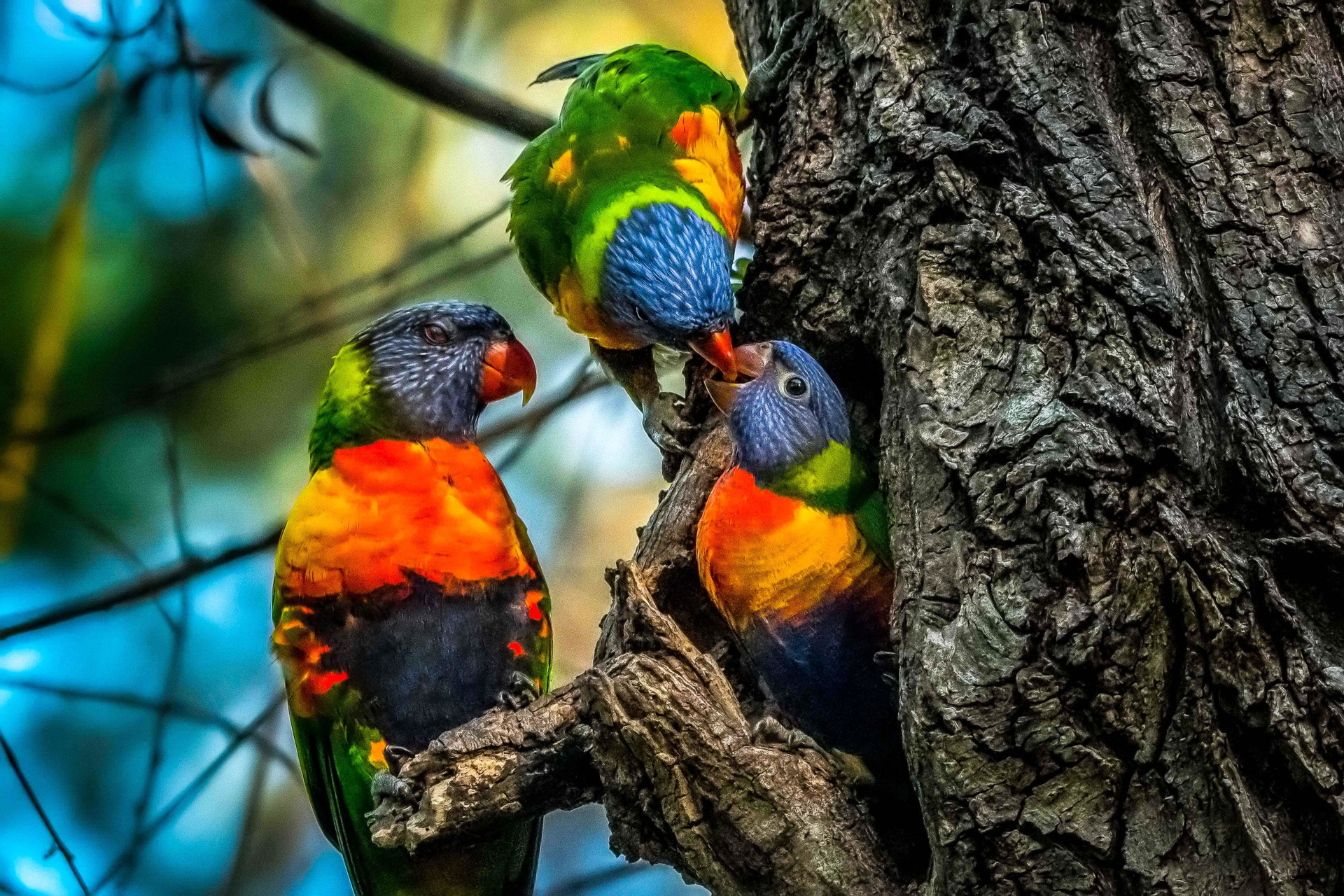
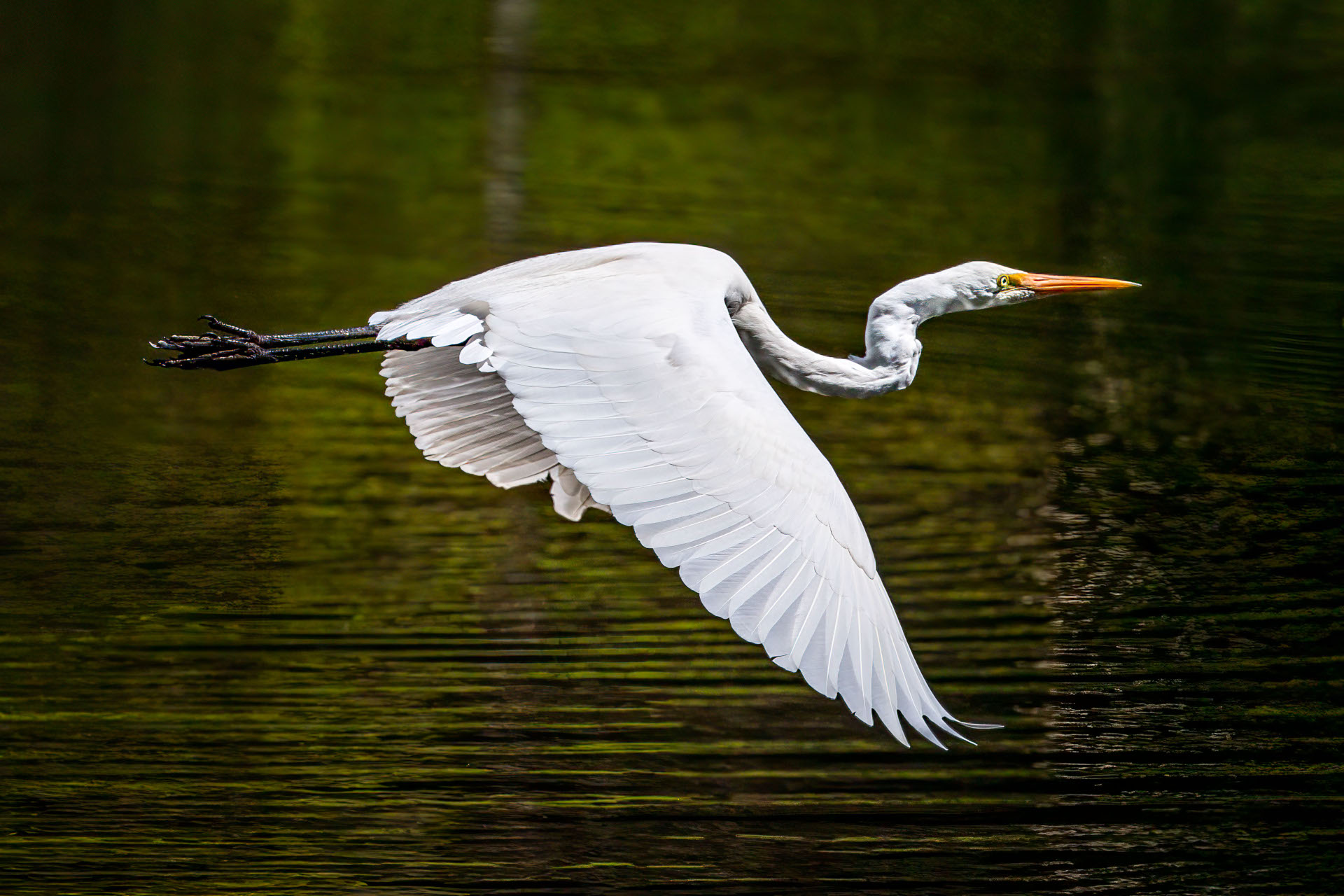
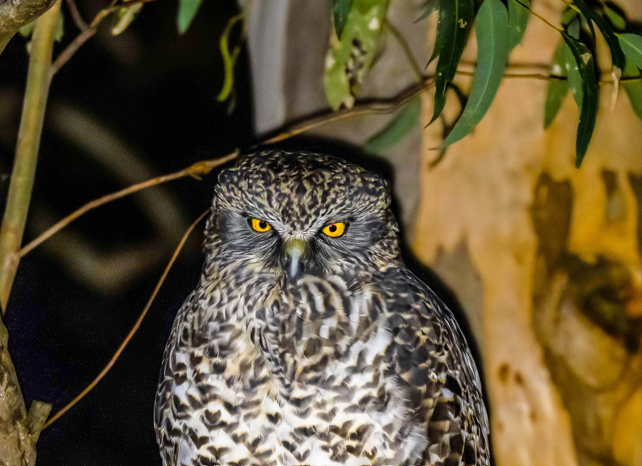
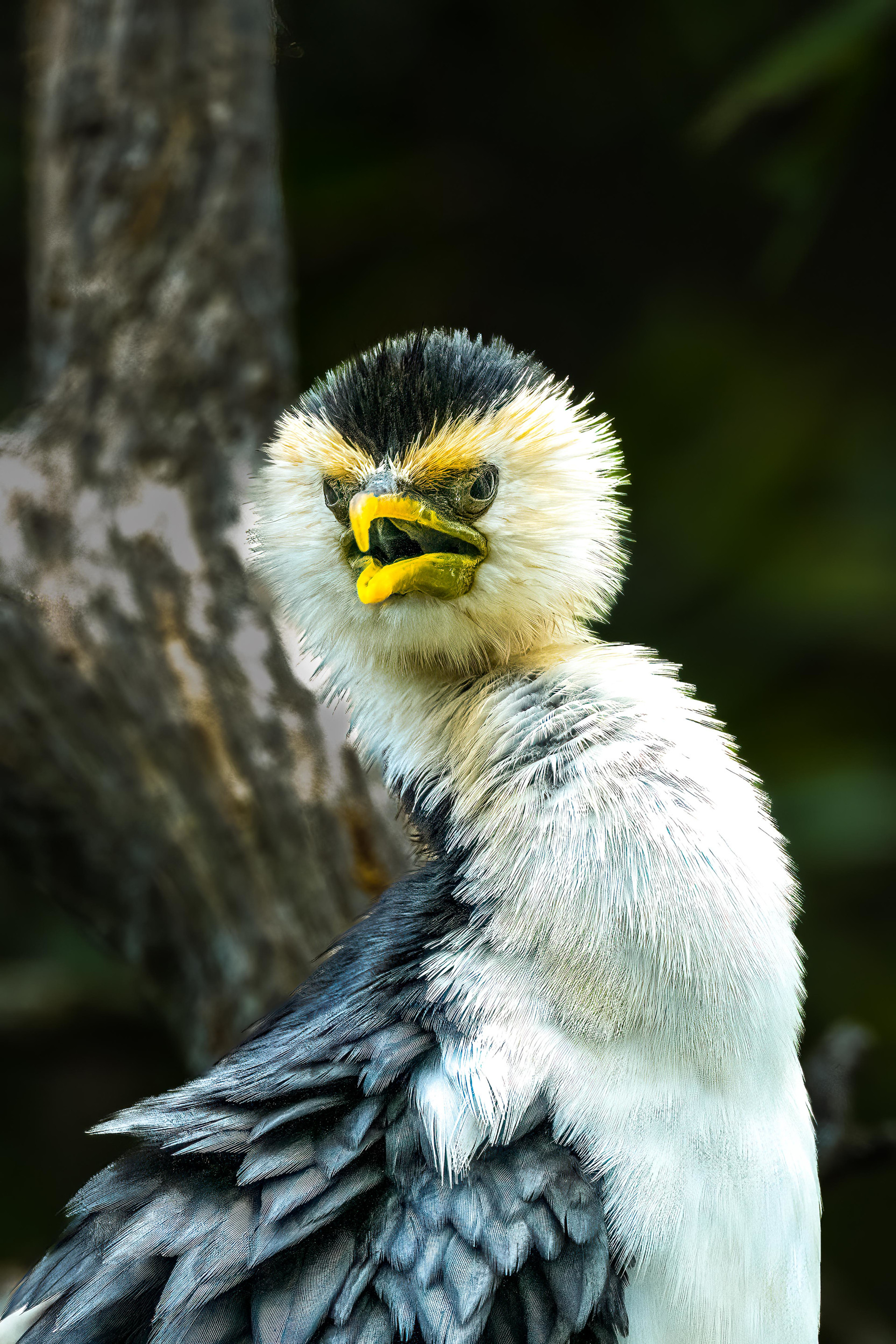
Wildlife on this Walk
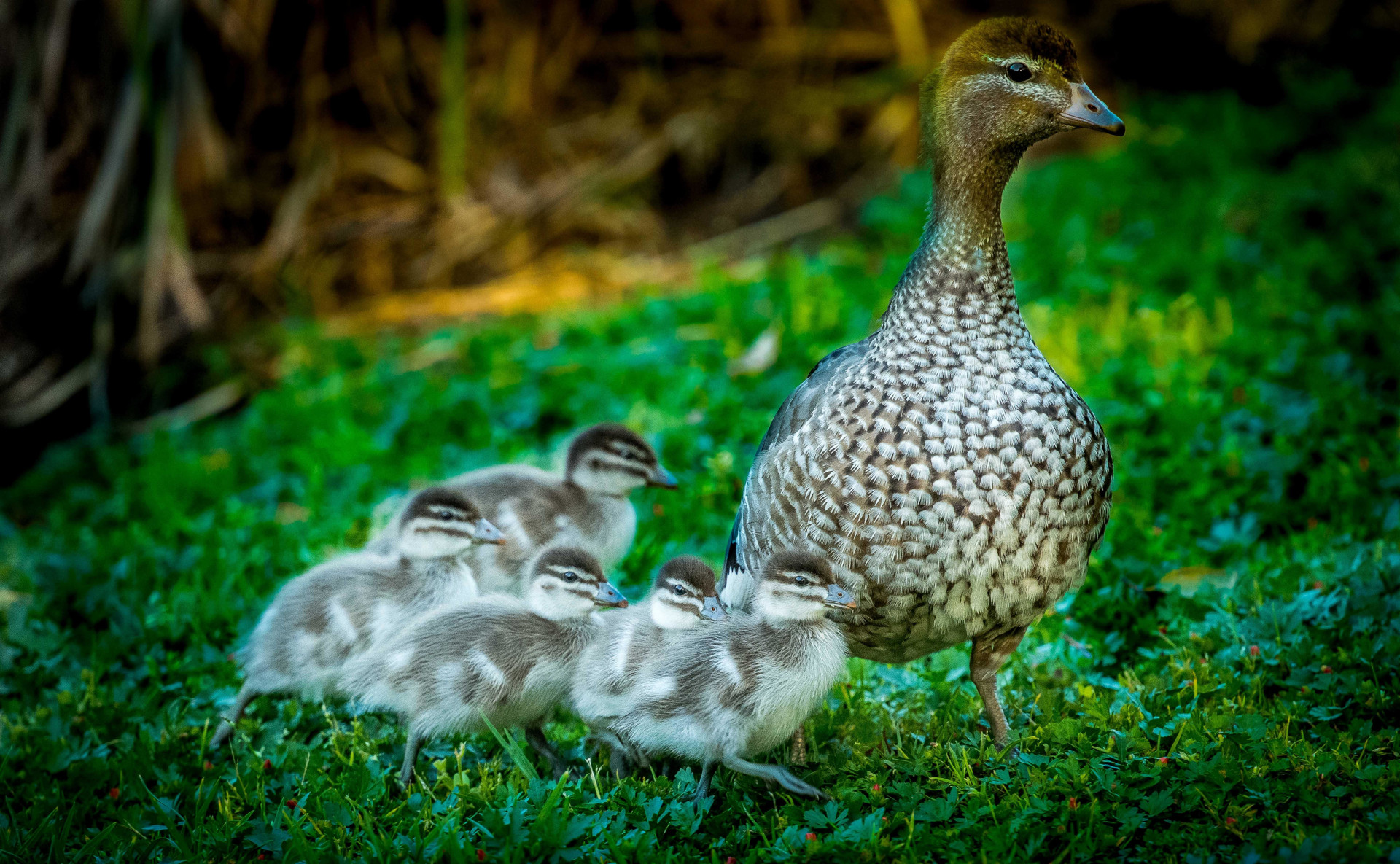
Australian Wood Duck
Chenonetta jubata
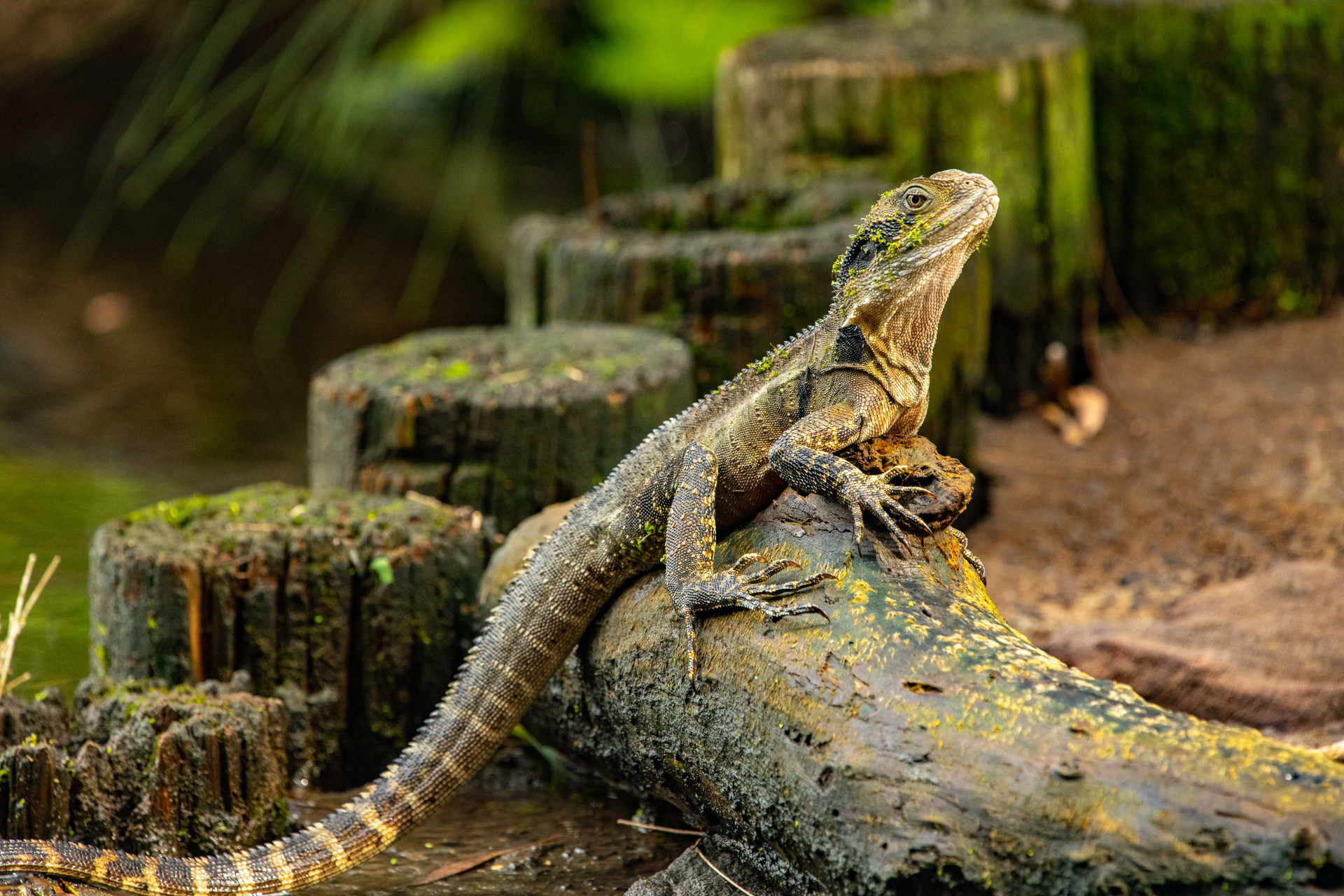
Eastern Water Dragon
Intellagama lesueurii lesueurii
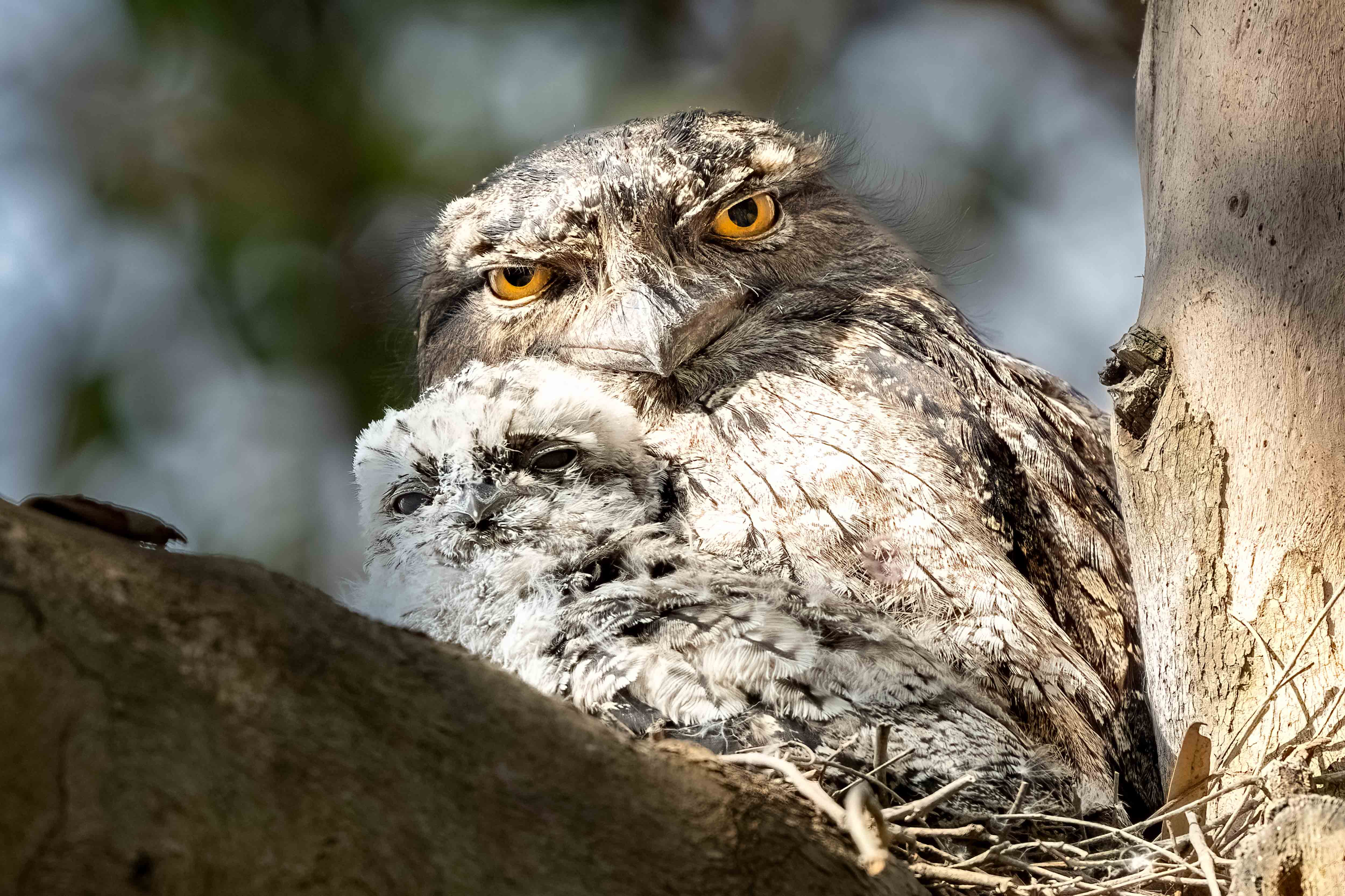
Tawny Frogmouth
Podargus strigoides
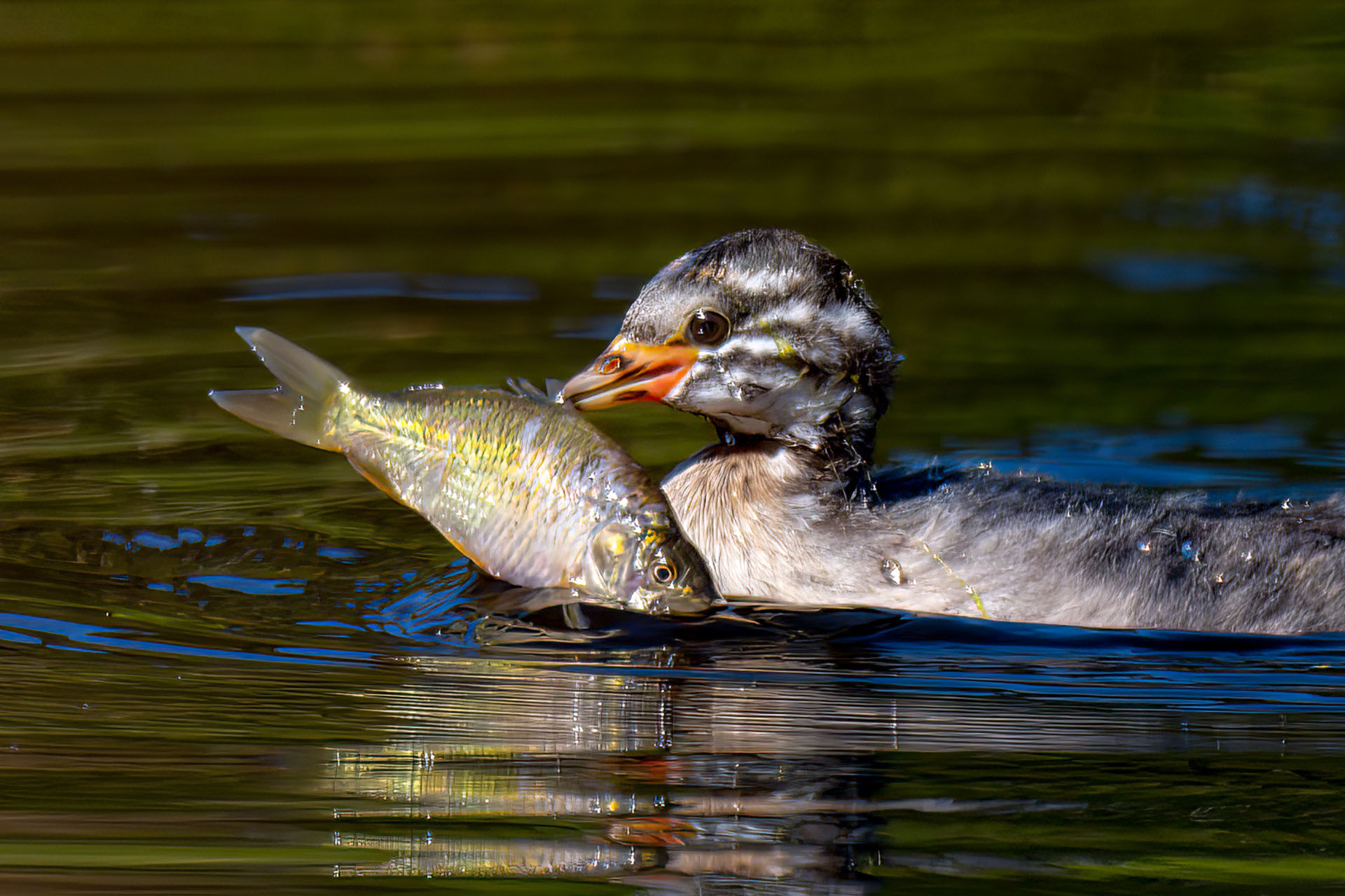
Australasian Grebe
Tachybaptus novaehollandiae
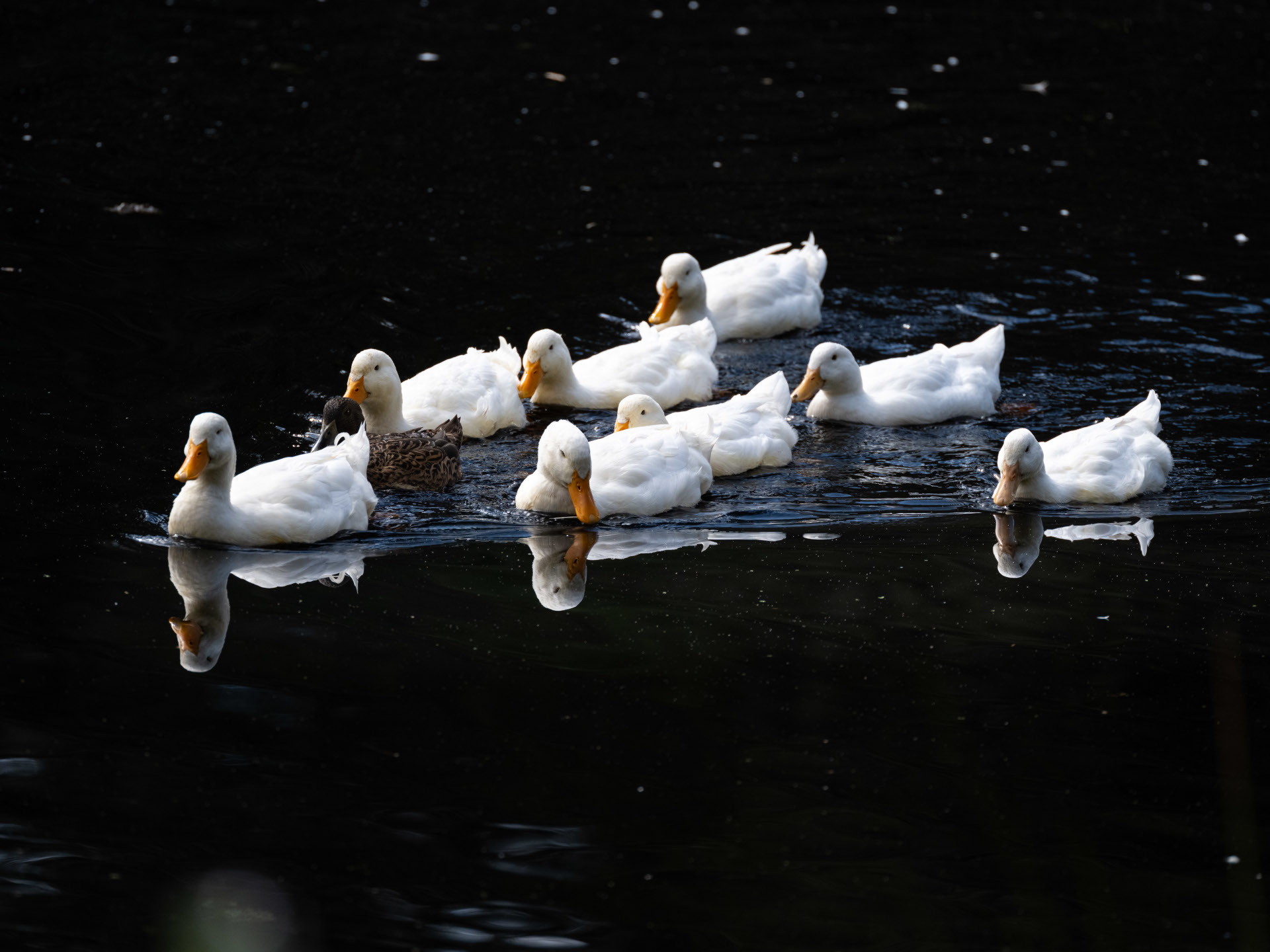
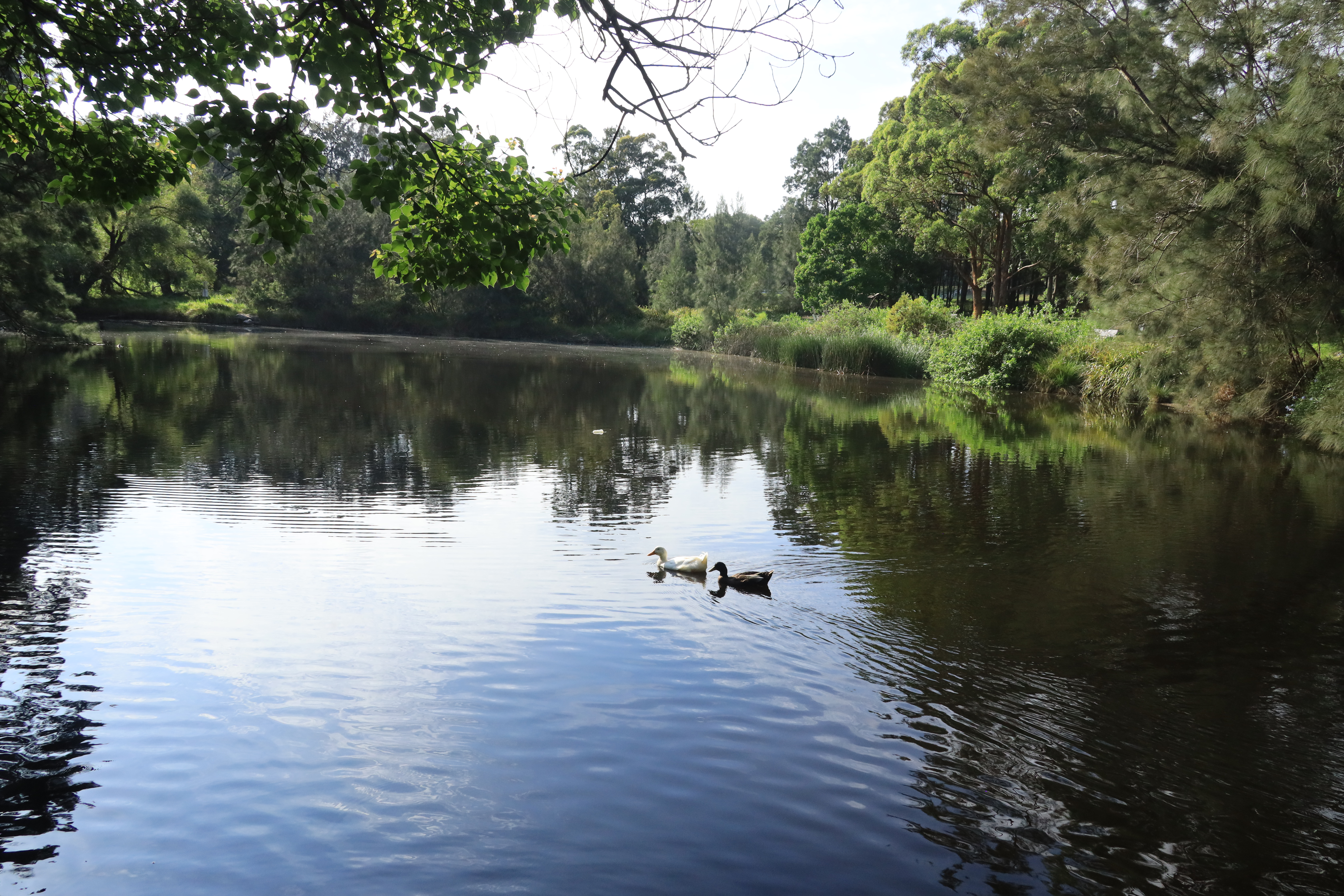
White Pekin Duck
Anas platyrhynchos domesticus
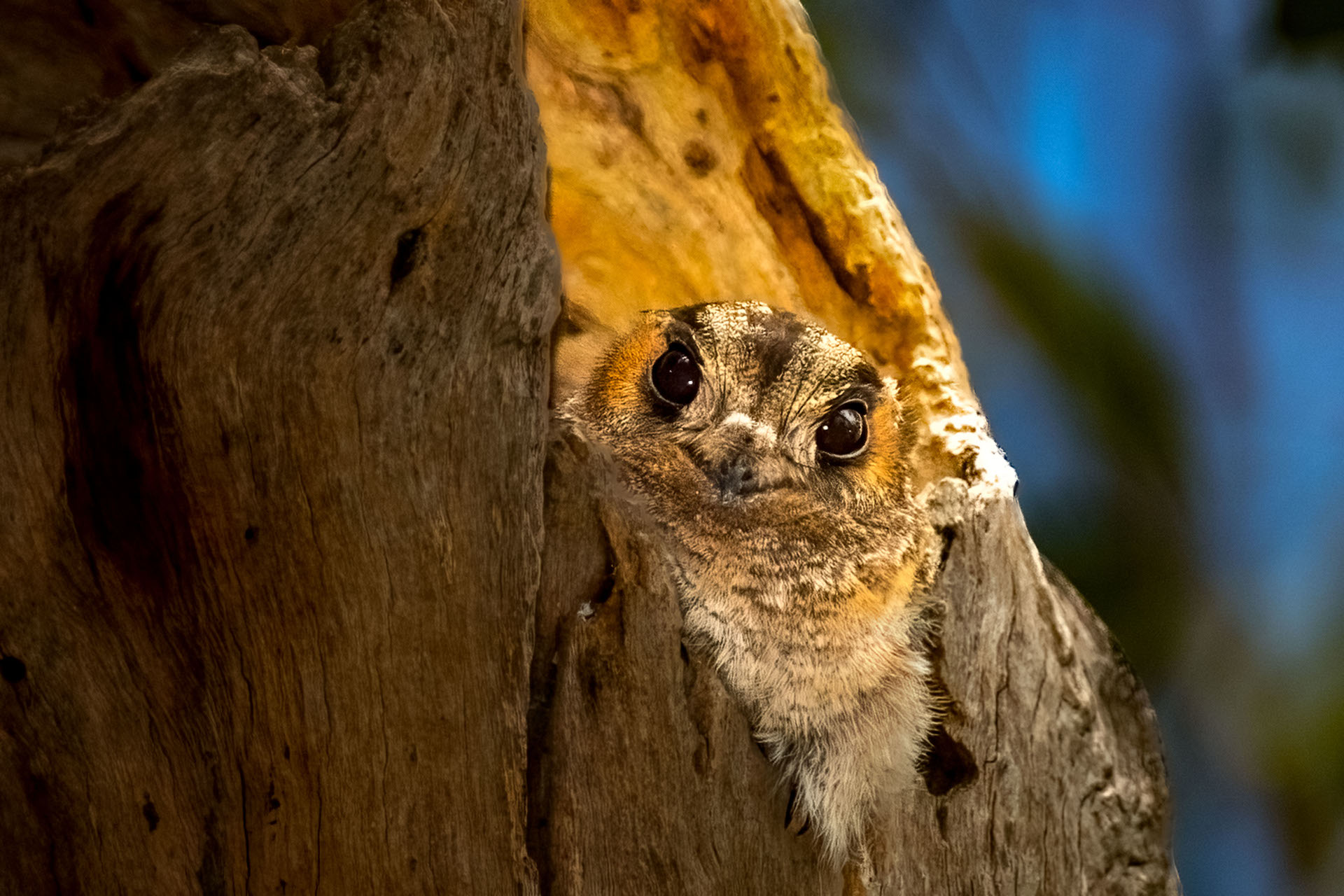
Australian Owlet-nightjar
Aegotheles cristatus
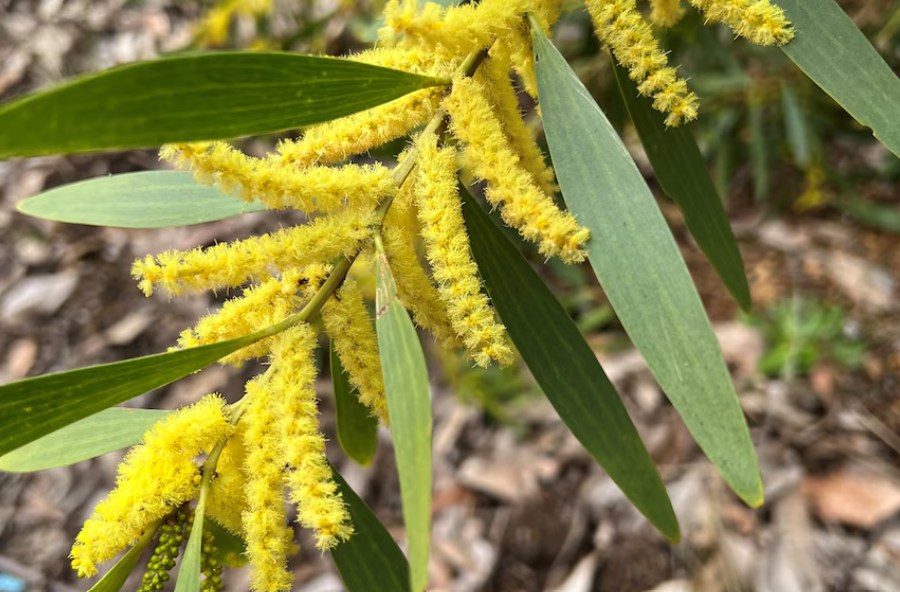
Sydney Golden Wattle
Acacia Longifolia
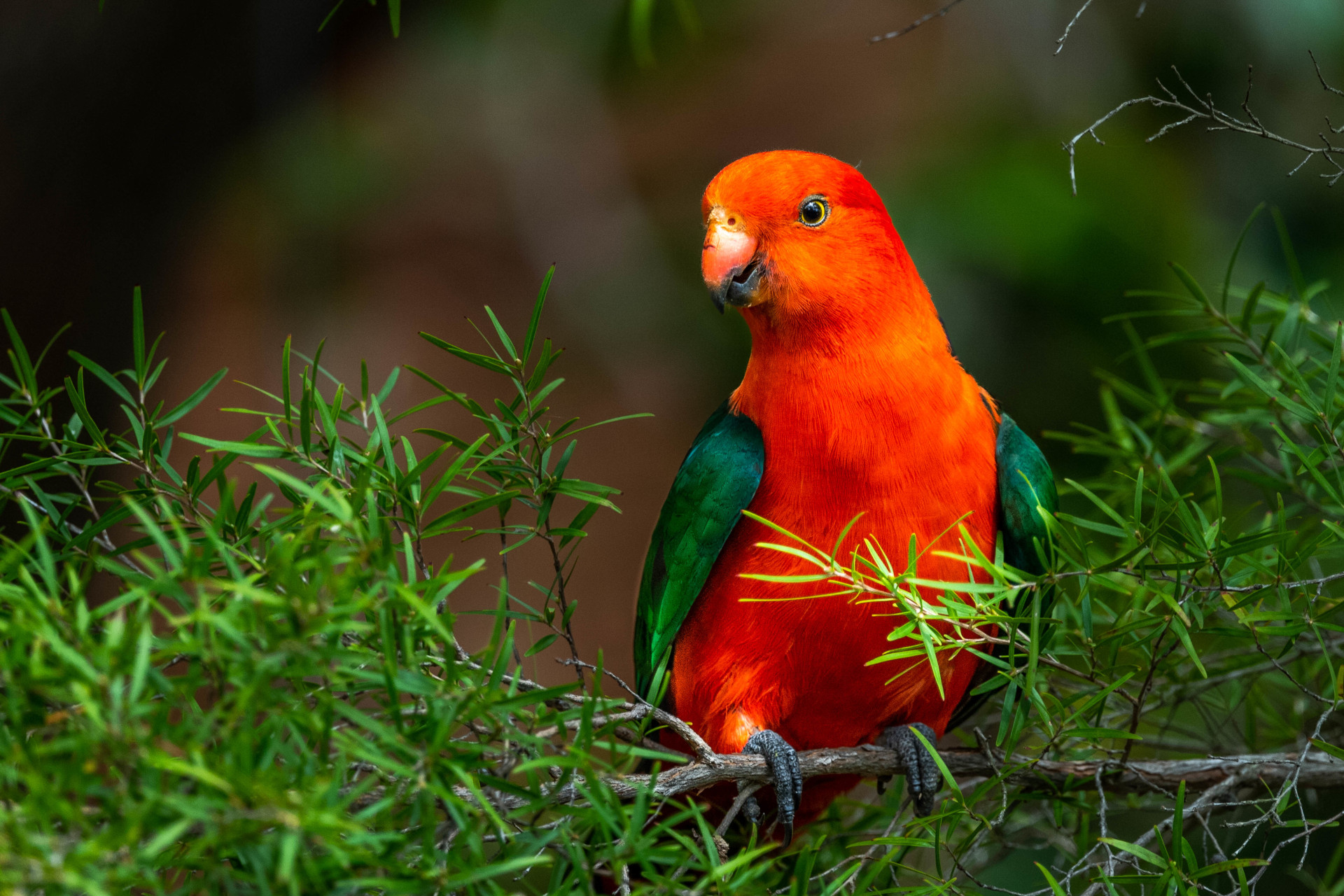
Australian King Parrot
Alisterus scapularis
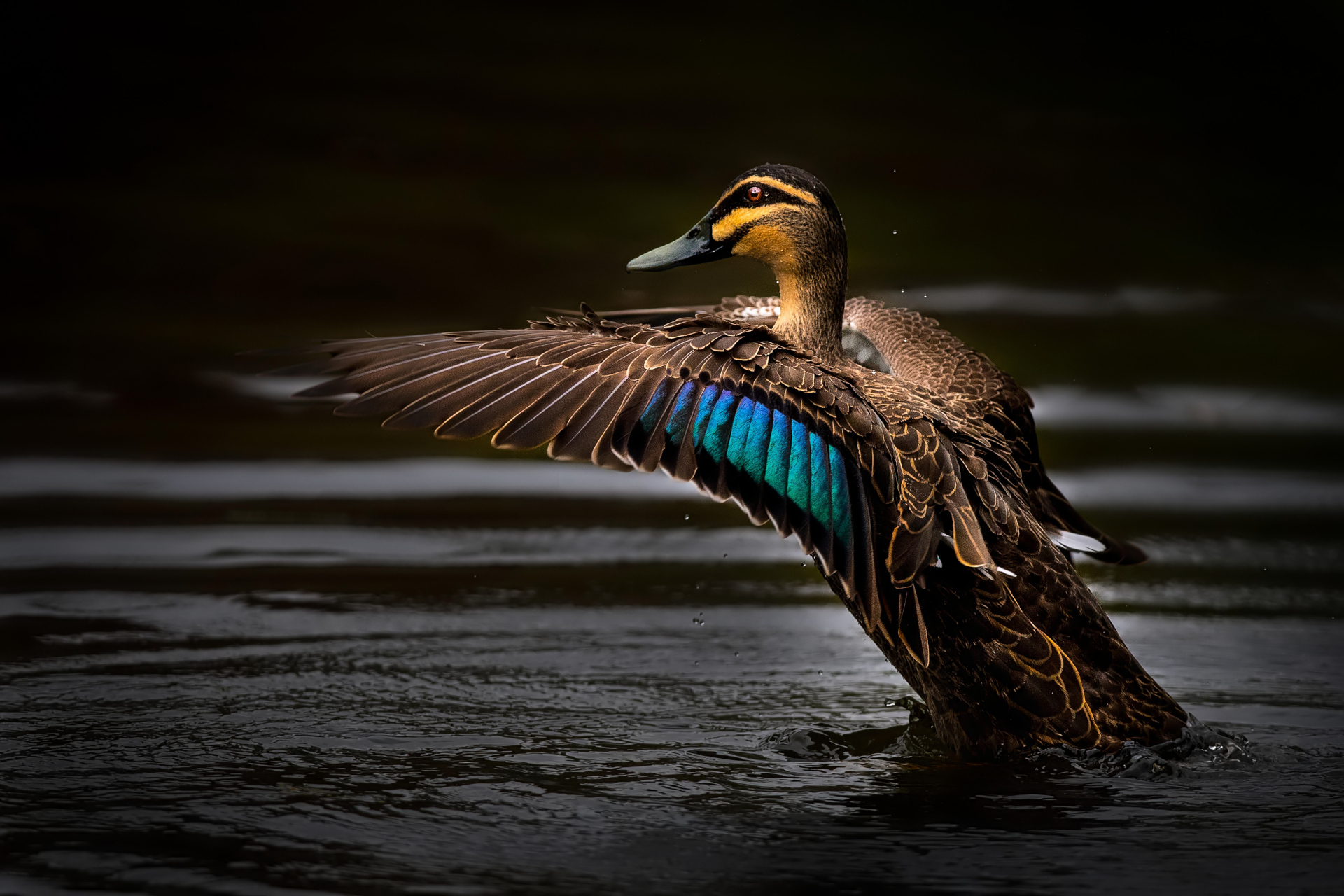
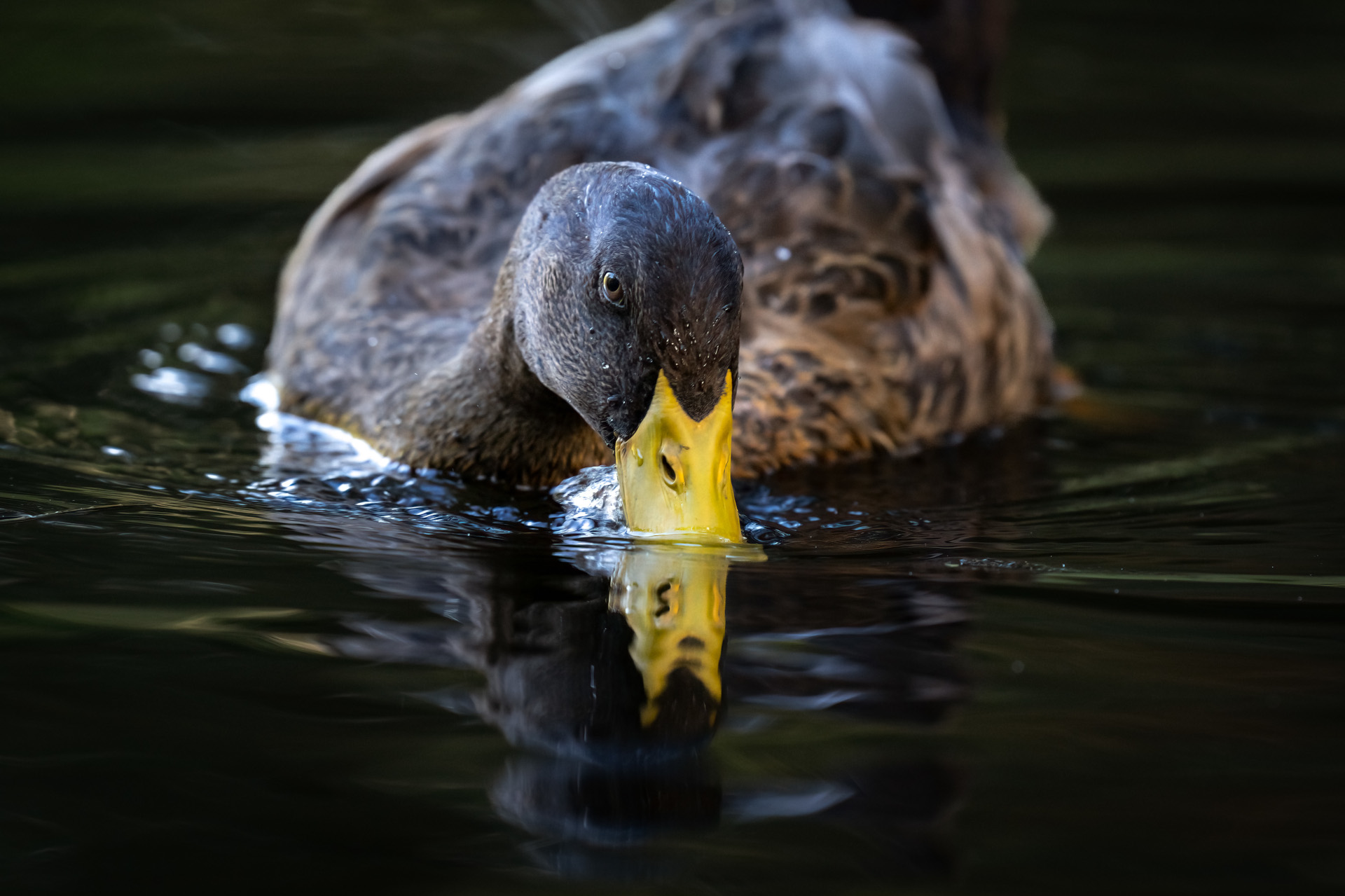
Pacific Black Duck
Anas superciliosa
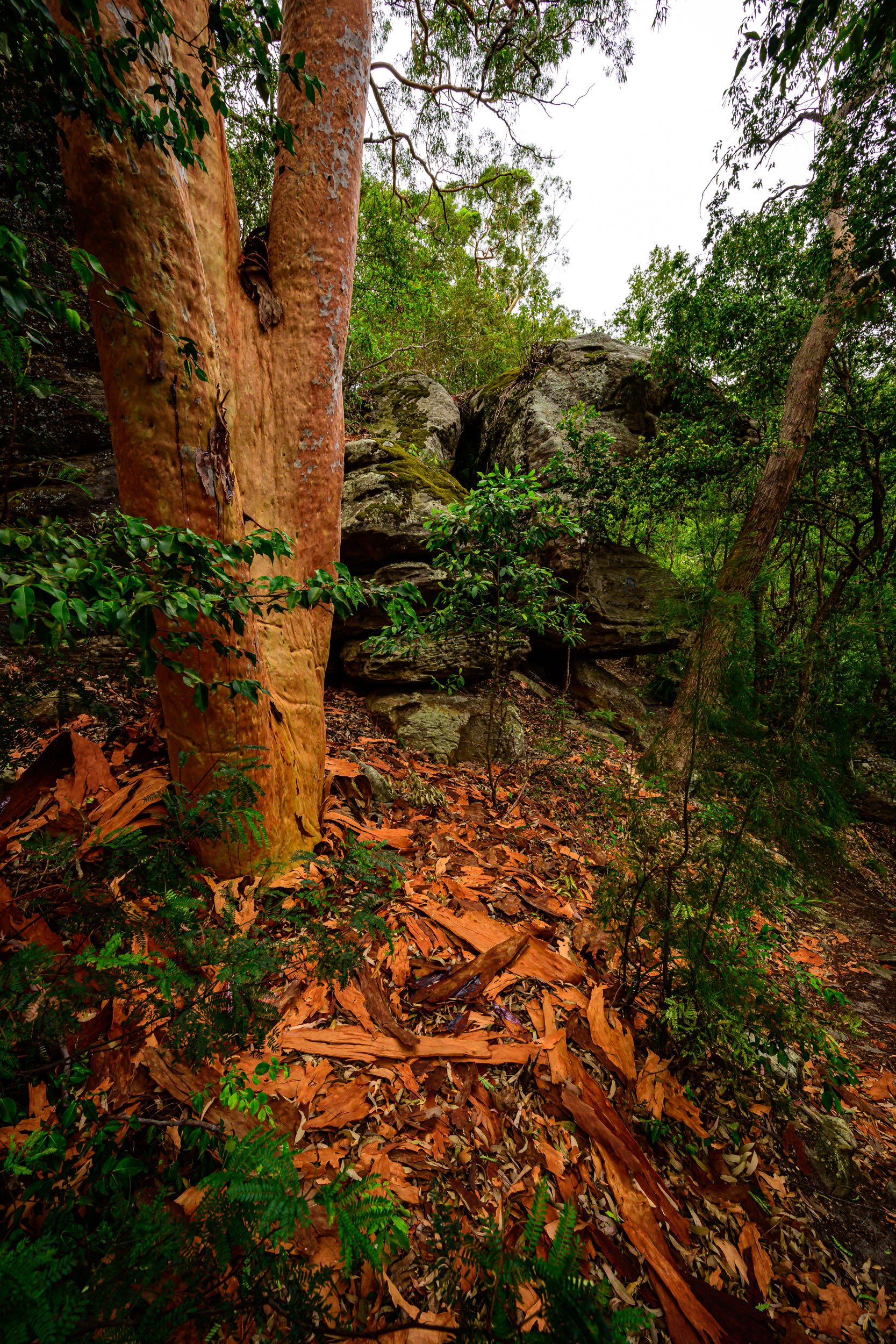
Sydney Red Gum
Angophora costata
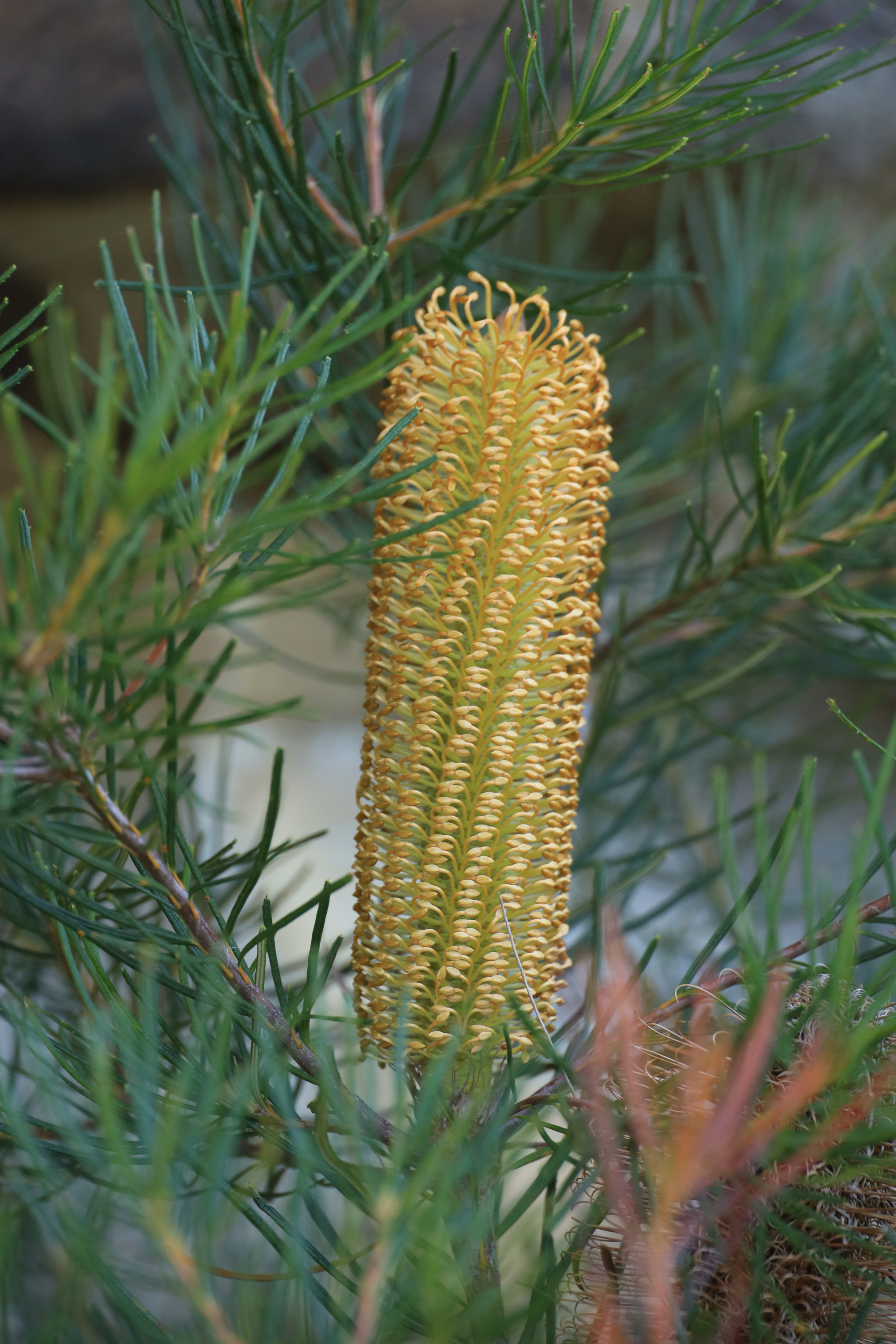
Hairpin Banksia
Banksia spinulosa
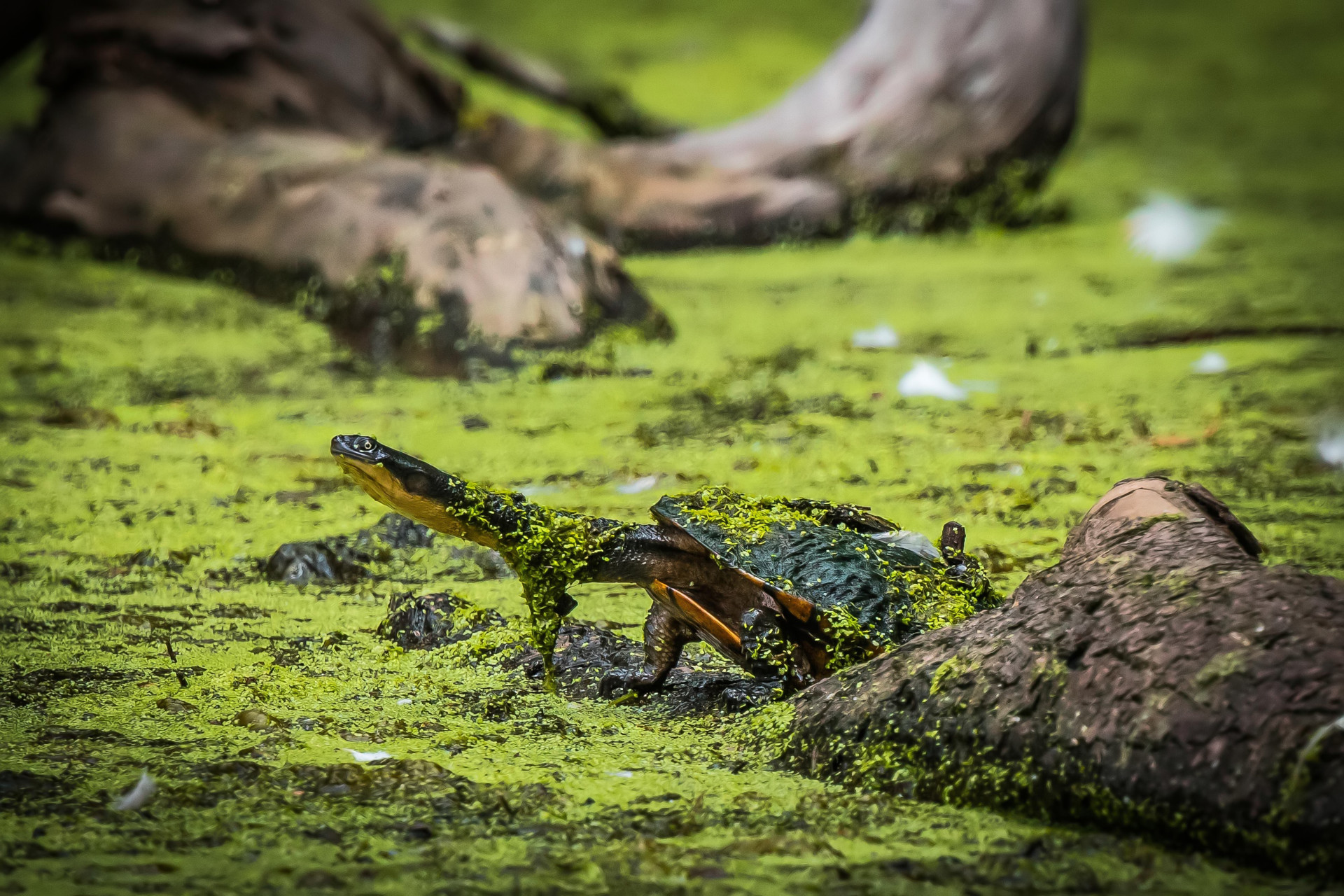
Eastern Long-necked Turtle
Chelodina longicollis
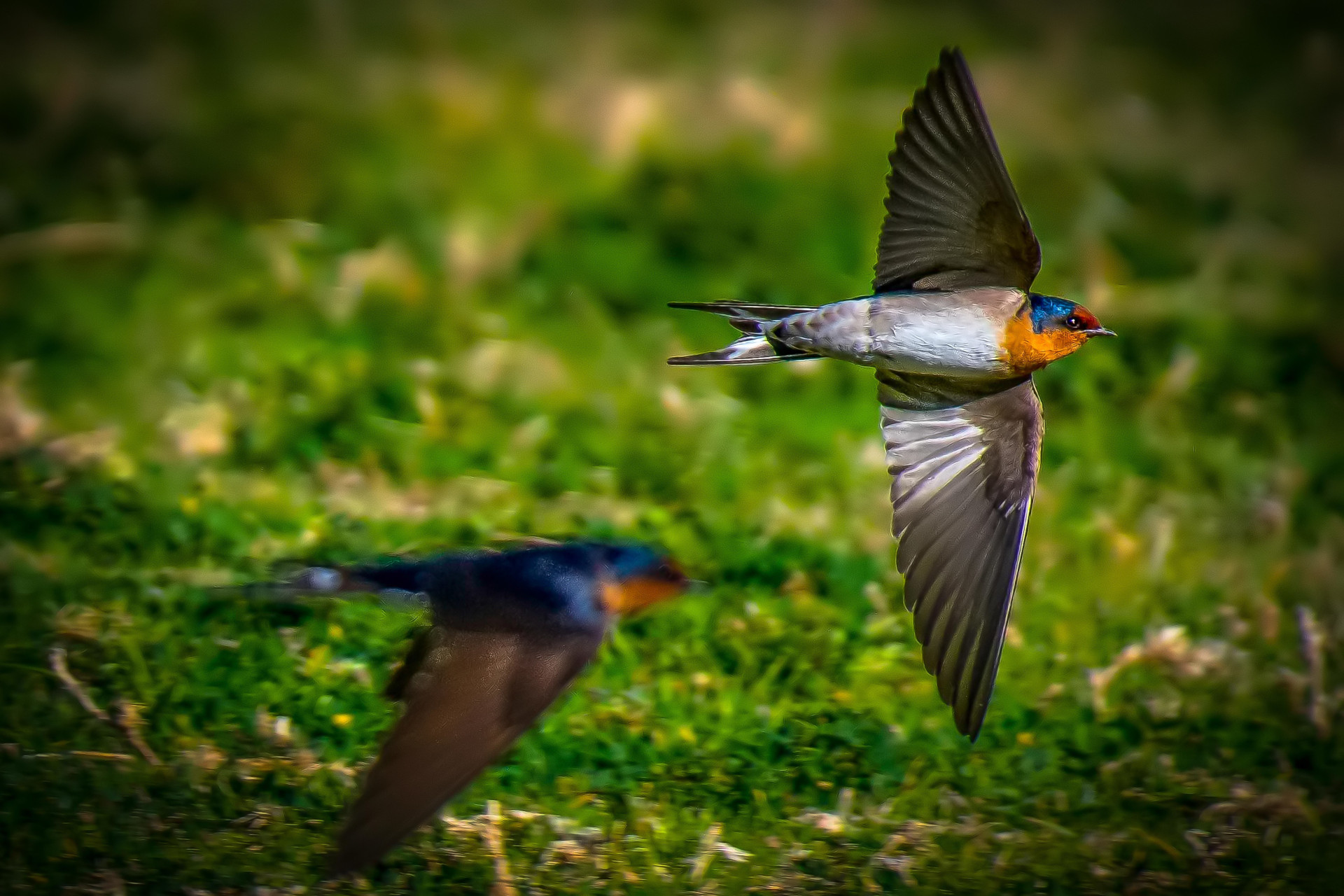
Welcome Swallow
Hirundo neoxena
Common Glider Dragonfly
Tramea loewii
Rainbow Lorikeets
Trichoglossus Moluccanus
Eastern Great Egret
Ardea alba modesta
Powerful Owl
Ninox strenua
Little Pied Cormorant
Microcarbo melanoleucos
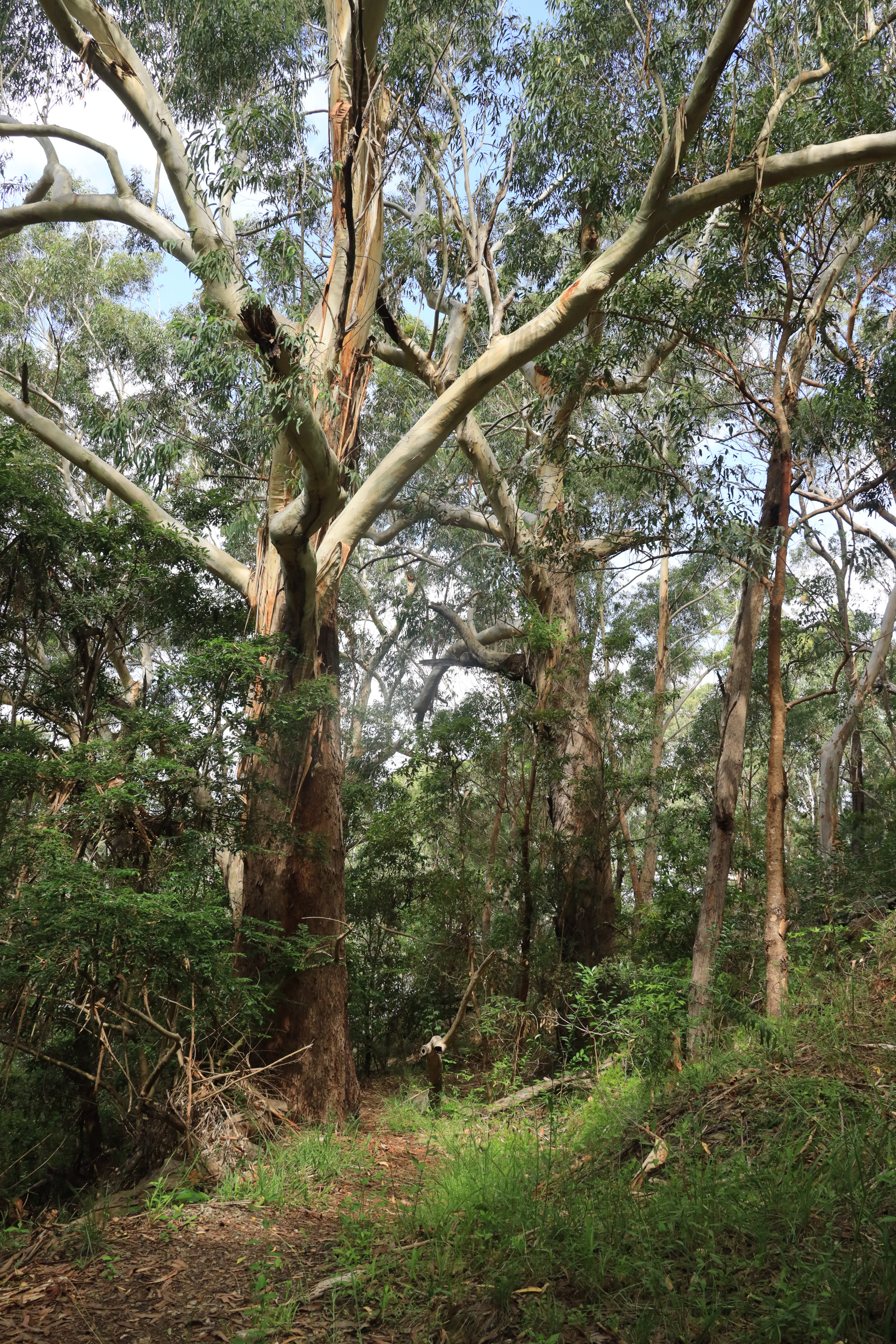
Blackbutt tree
Eucalyptus pilularis
Chestnut Teal
Anas castanea
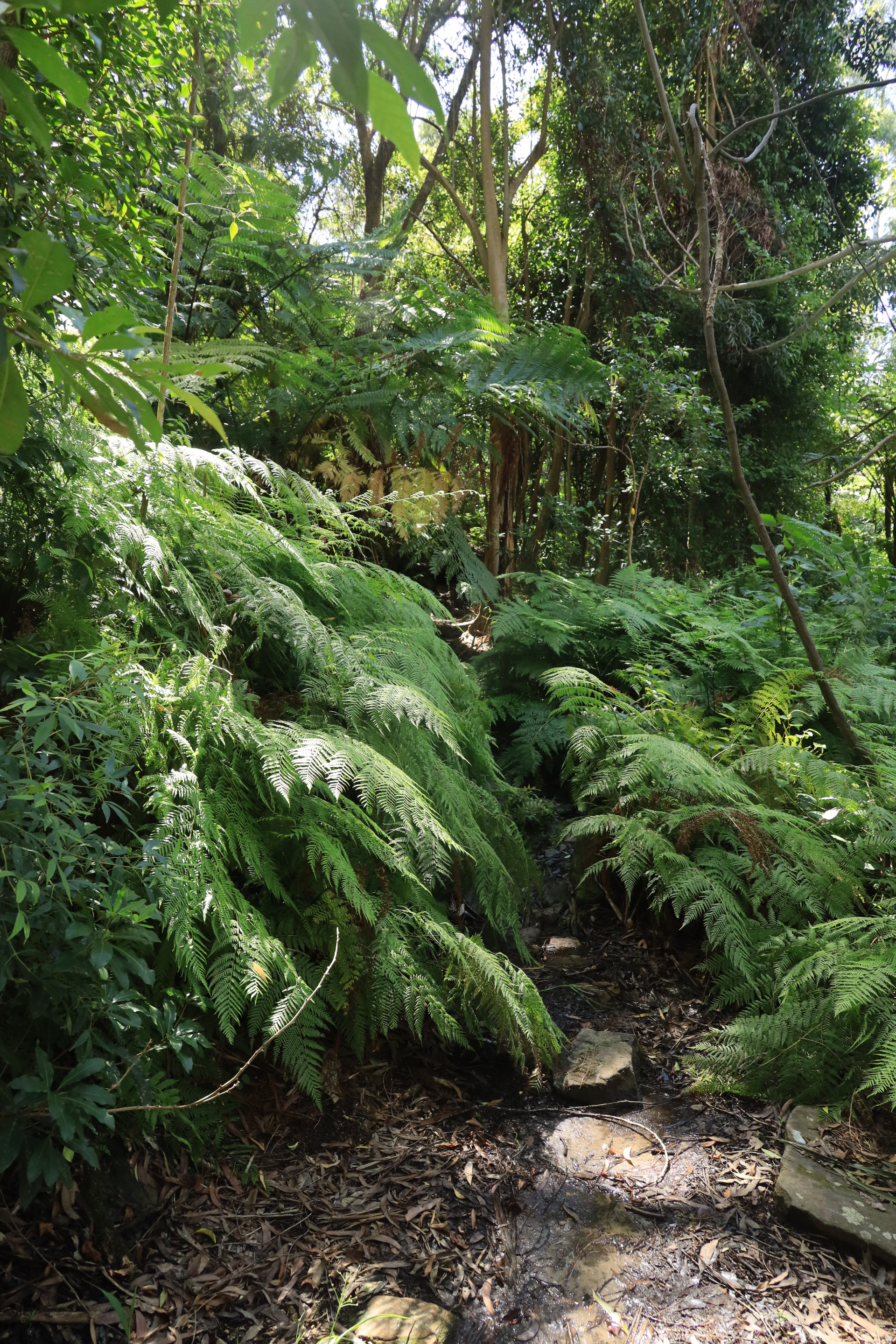
Lacy Tree Fern
Cyathea cooperi
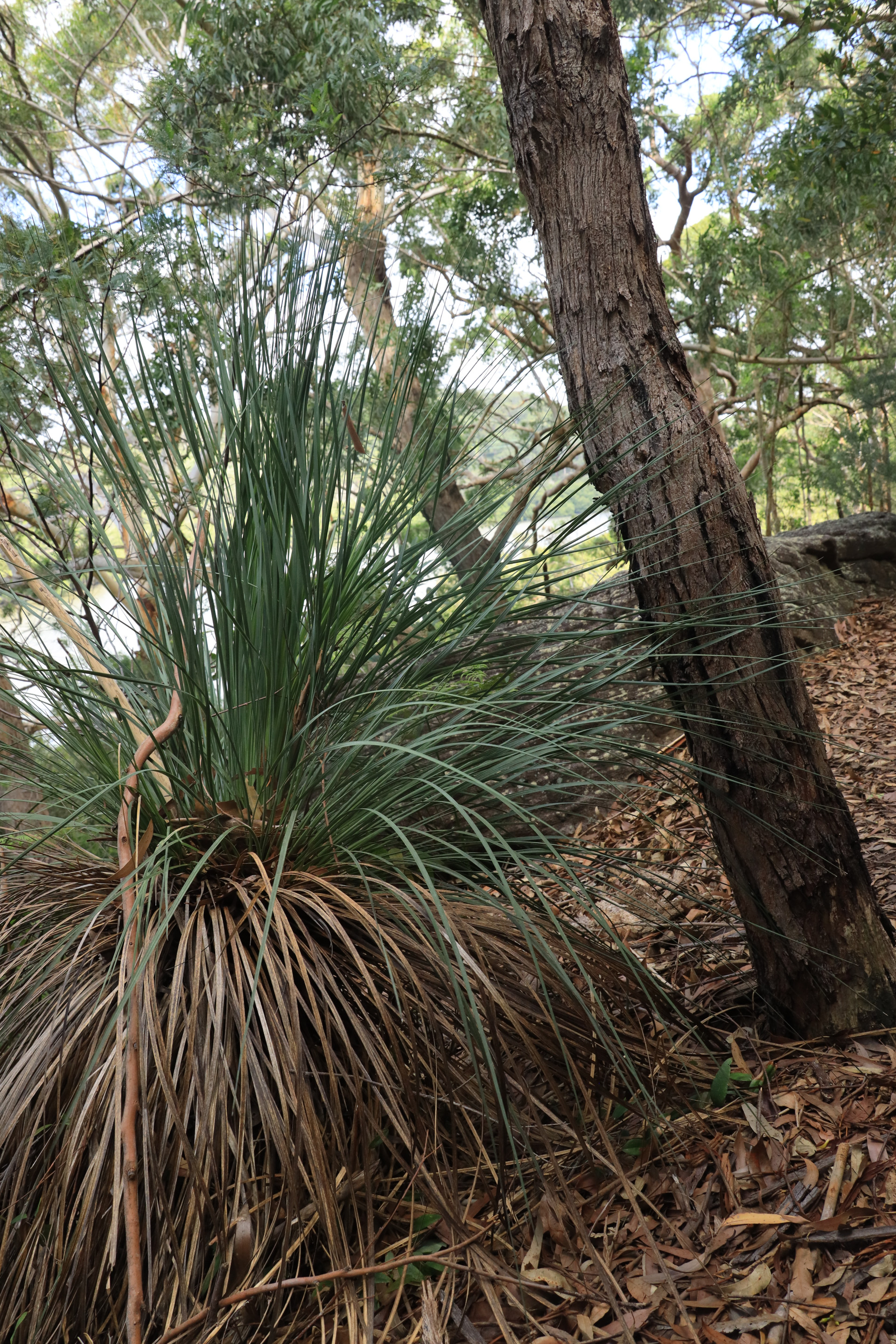
Grass tree
Xanthorrhoea
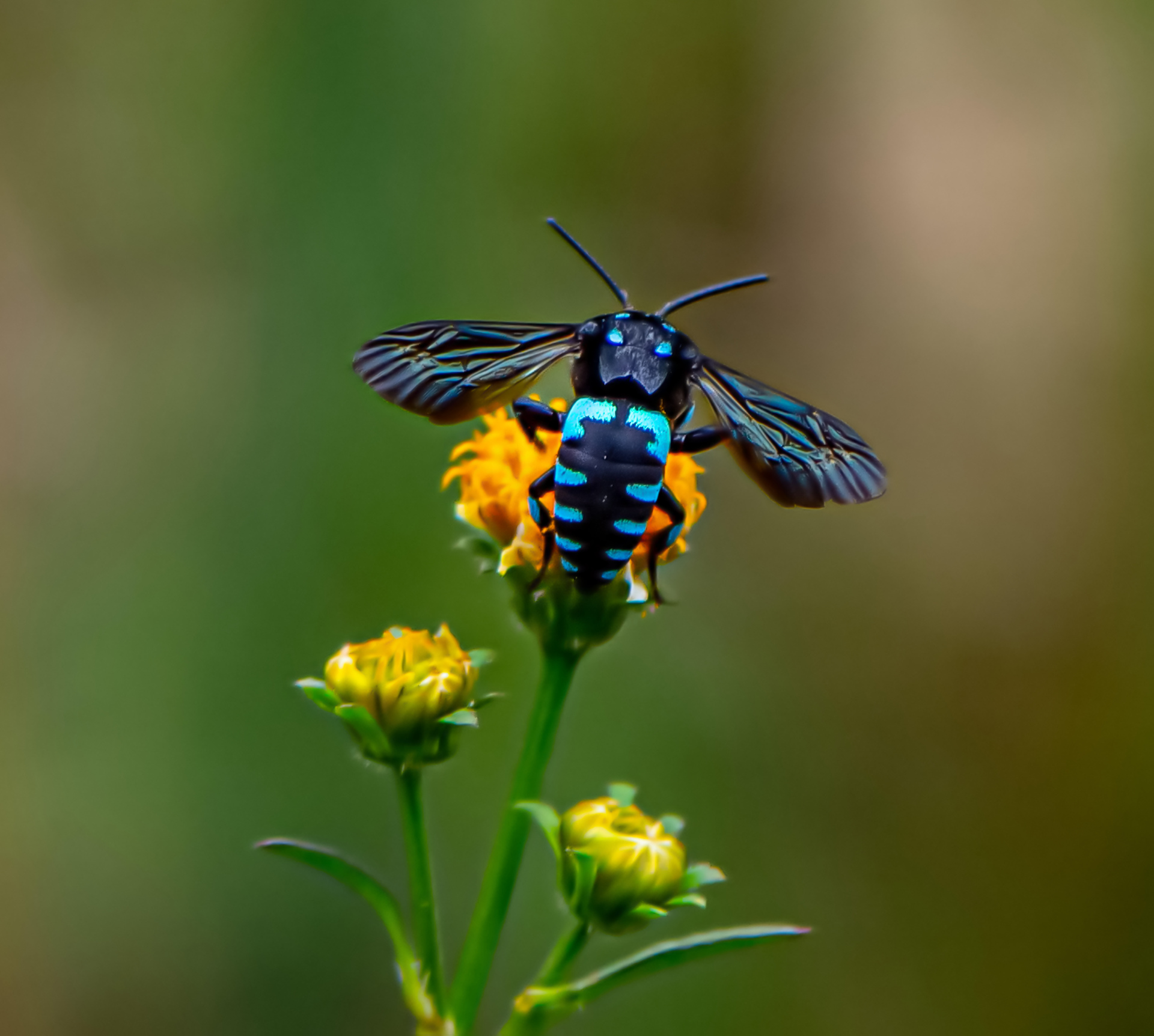
Neon Cuckoo Bee
Thyreus nitidulus
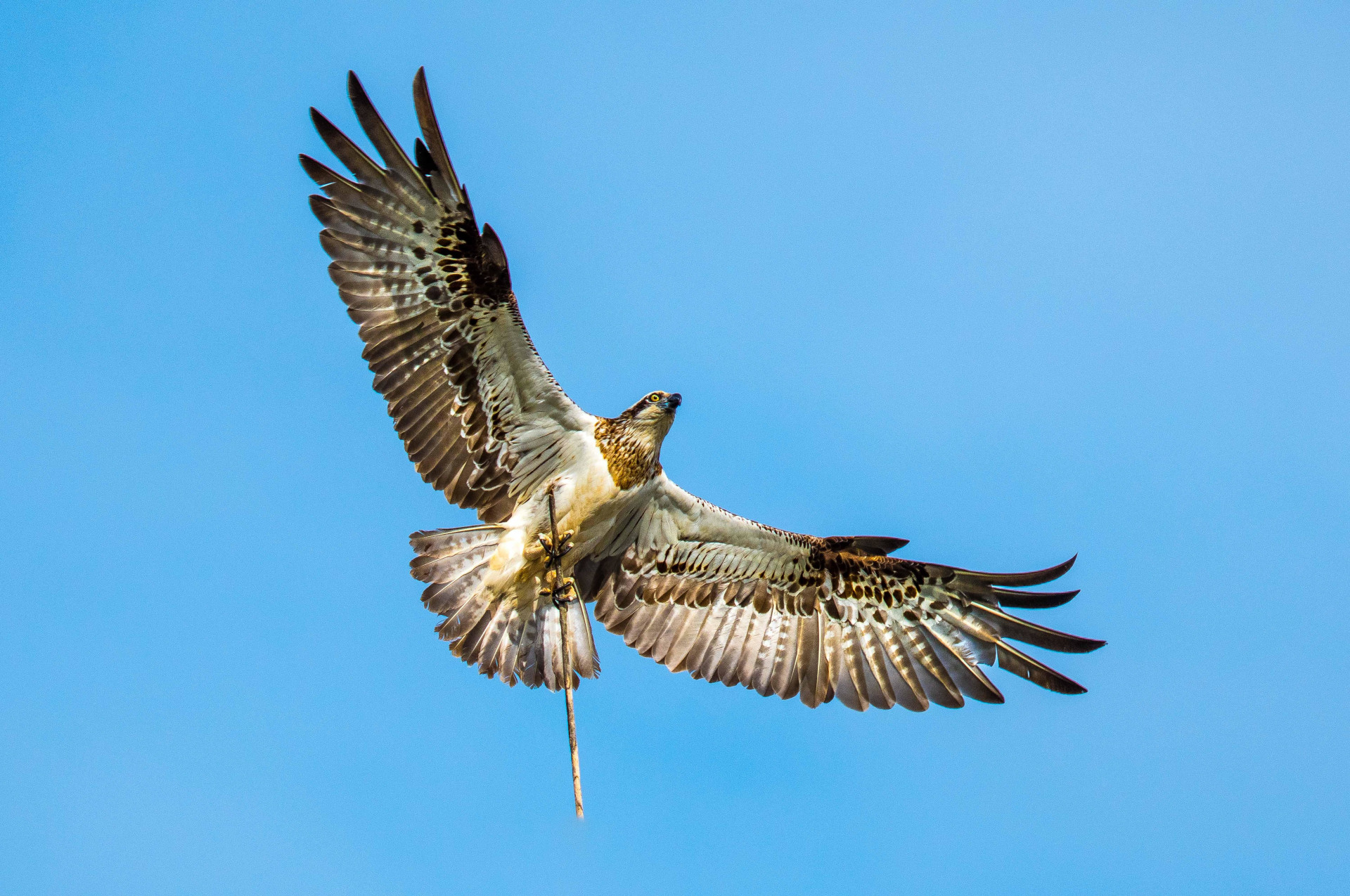
Osprey
Pandion haliaetus

Points of Interest

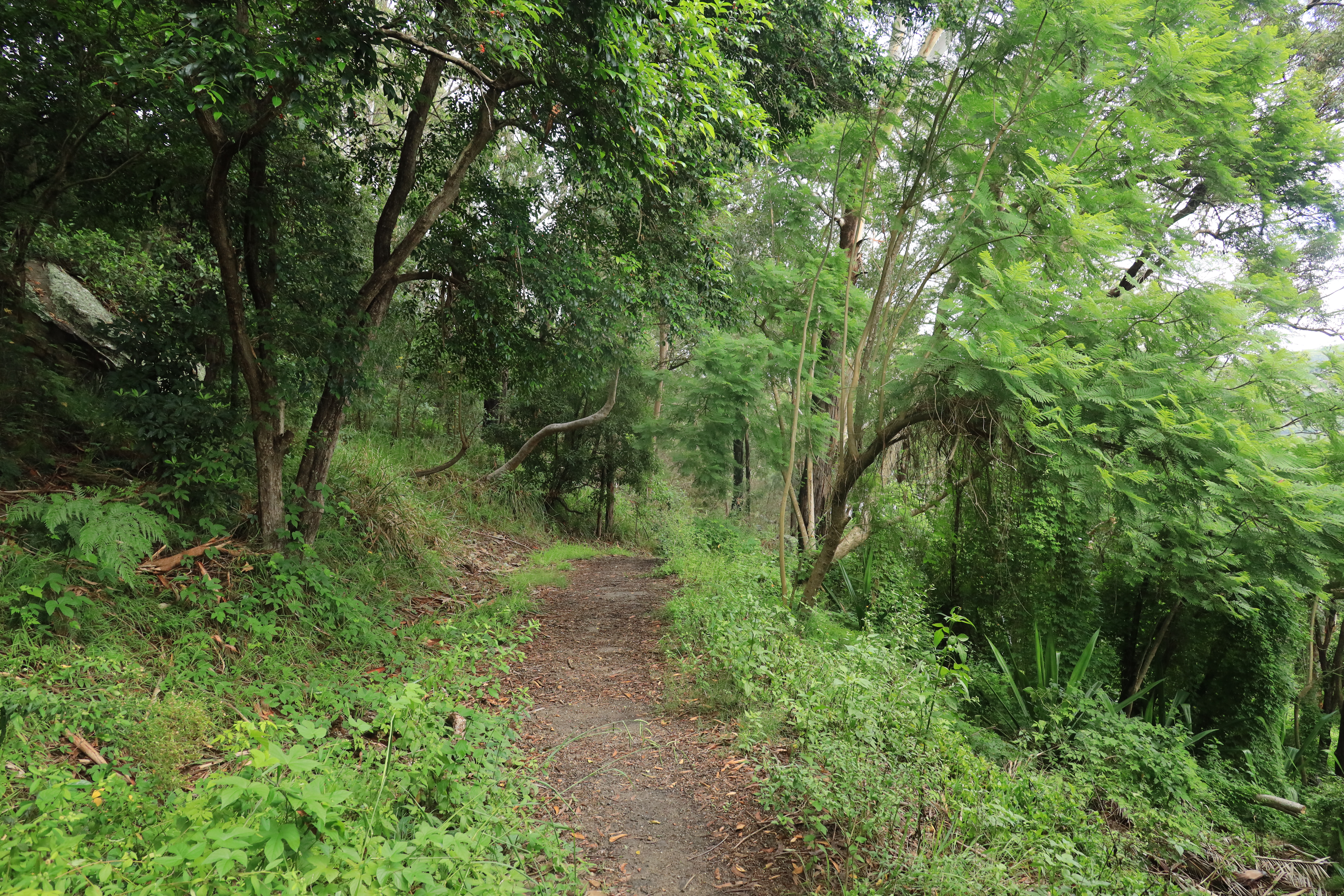
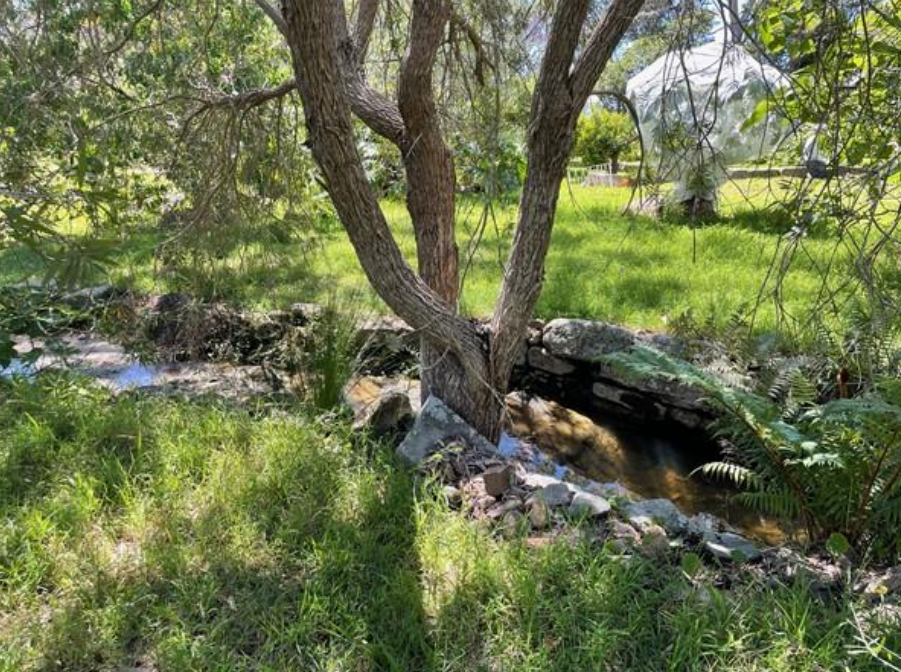
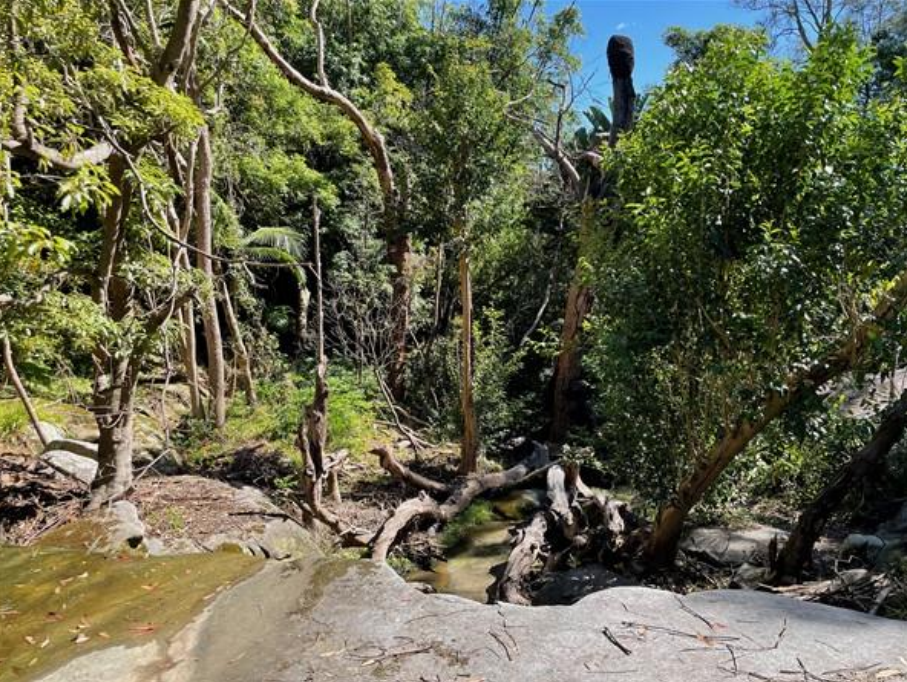
A rainforest walk weaves its way through the western edge of the park where a valuable remnant of original temperate rainforest remains. The fresh water stream still runs beneath the vine covered trees and a carpet of ferns flourish amongst the mossy rocks. In autumn, the decomposing tree trunks are littered with a range of coloured fungi. On the higher side, a scattering of flannel flowers, native fuchsia and ground orchids can be found on more exposed parts of the track . The track provides wonderful river views.

There are Aboriginal caves on the lower part of the walk. The river was also used by early European settlers for timber getting, fishing and oyster leases. Remnant jetties can be found down near the waterline, and many were used by timber getters.

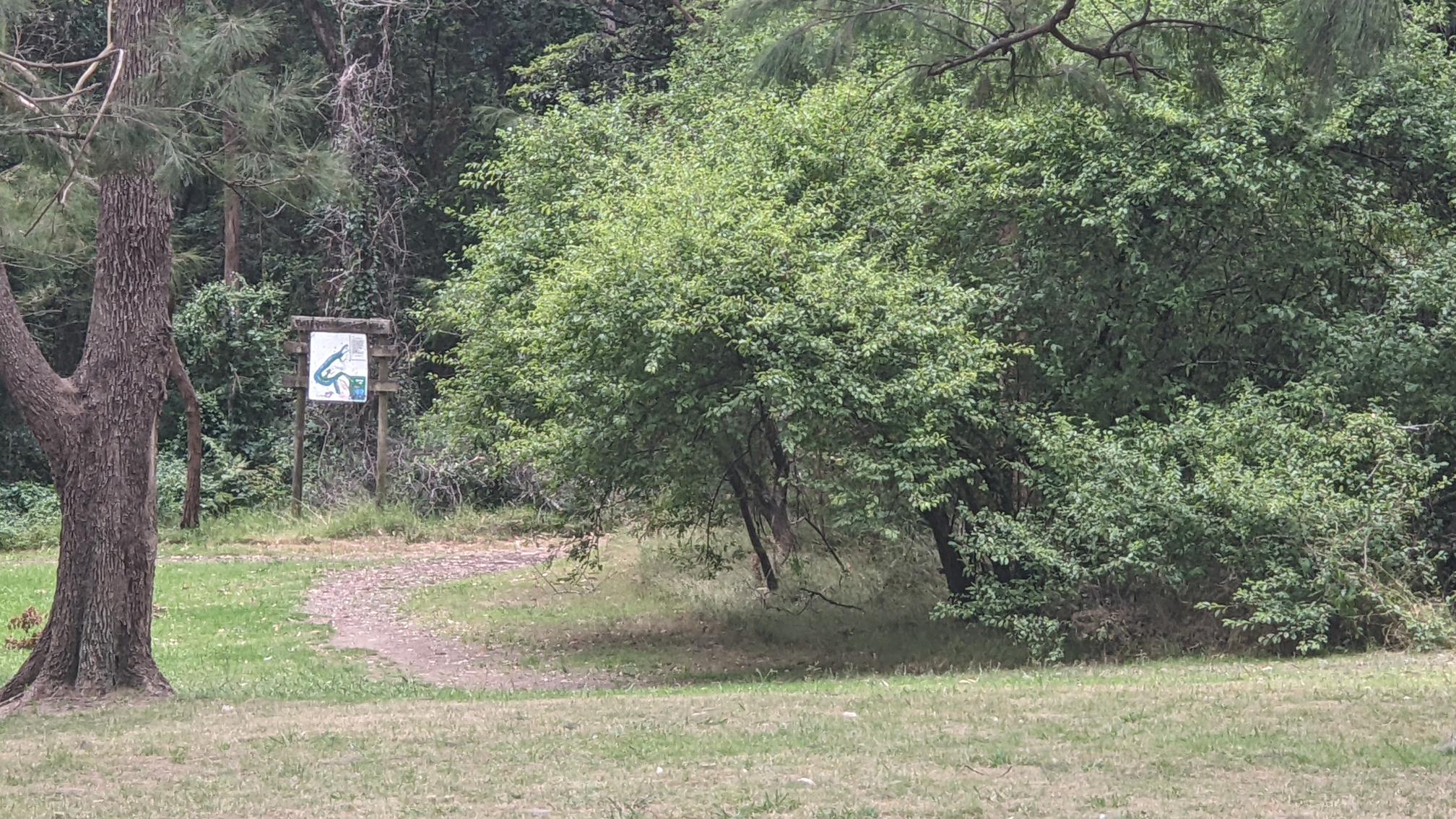
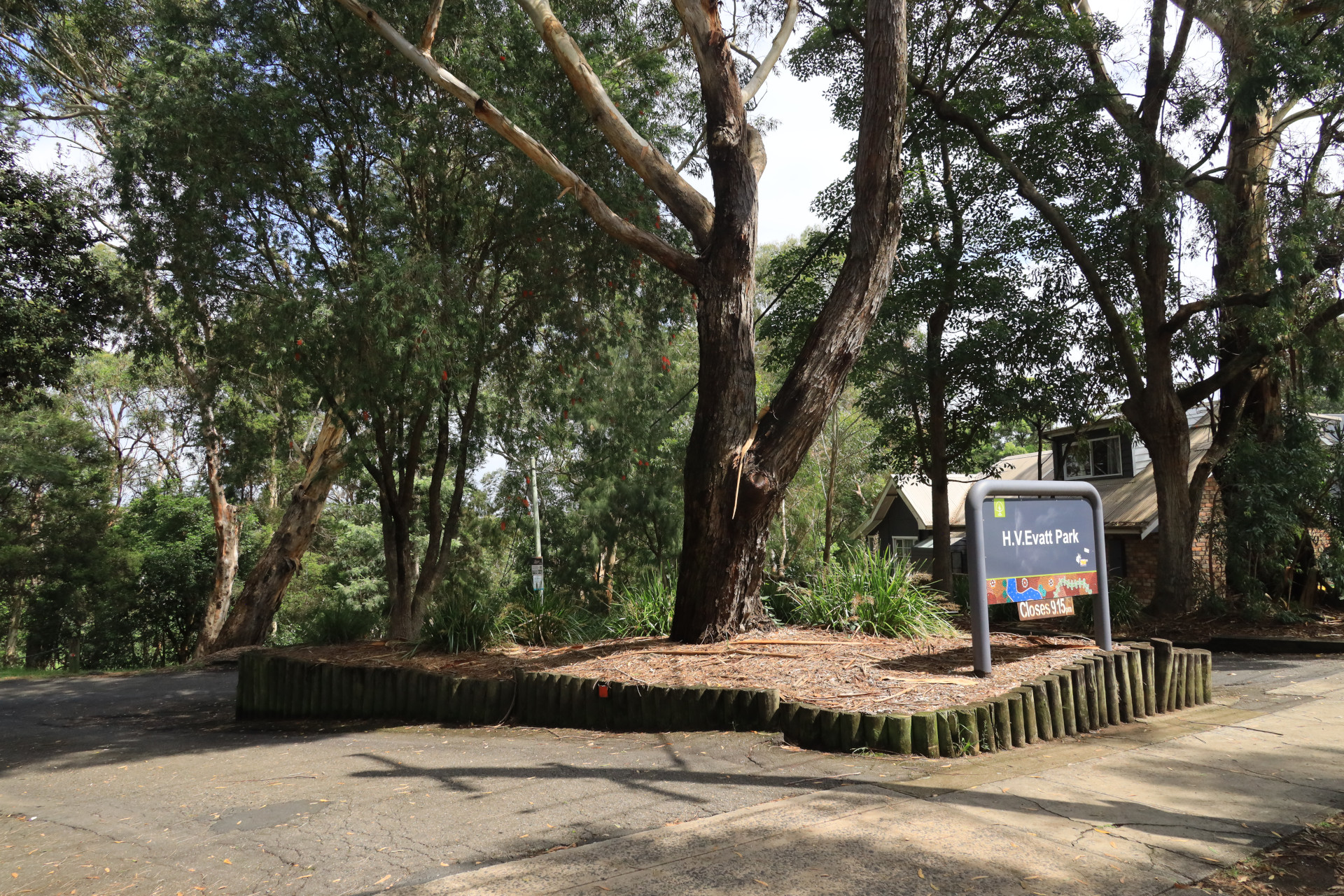
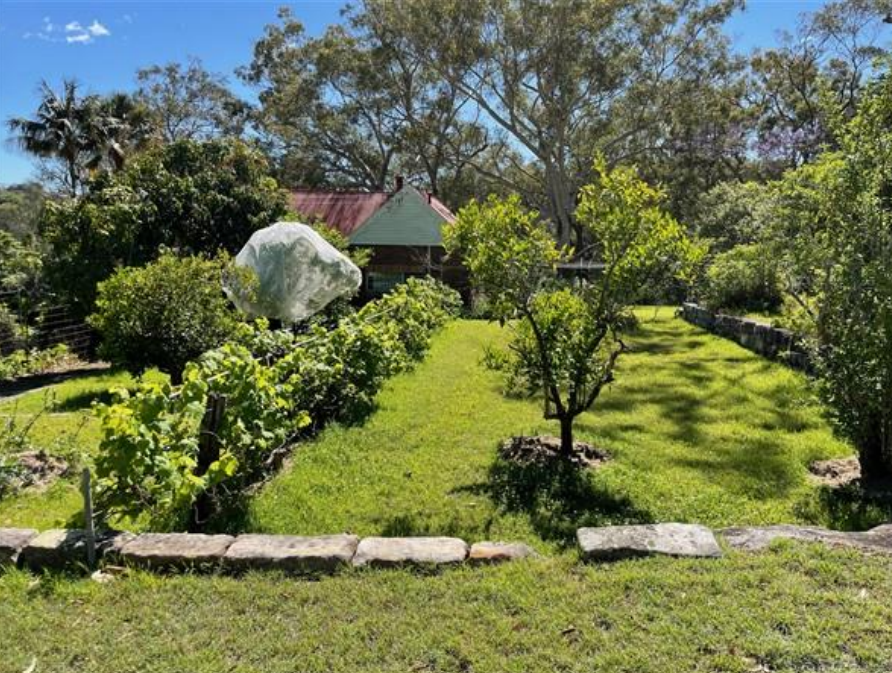
The orchard was located in a natural bowl between surrounding sandstone ridges, caused by an intrusion of basic volcanic breccia. The soil on top of the volcanic intrusion was more fertile than the surrounding ridges. The land in this area changed hands multiple times. Some of the very old fruit trees had been replaced during the period 1900-1905 and some newer varieties planted. The property was not irrigated and had to rely solely upon rainfall for growth. Ella Boyd, inherited the well-established 20-acre orchard in trust on 2 April 1913. At that time it supported a spreading orchard and extensive vegetable garden. Her husband George Stanley ("Stan") Connor worked on the farm which grew to have 40 chickens, 5 horses, 4 bee hives, cows and numerous dogs (to keep pilferers at bay). Plus the waterfront foreshore provided the family with access to oysters and fish. The orchard had Granny Smith and Jonathan apples; Moore Park apricots; St. Michael, White Siletta, Joppa, Valencia and Washington Navel oranges; China pears (for cooking) and Williams pears (for eating); peaches and nectarines; Lisbon lemons; Wickson plums; and mandarins. The Connor family tried growing grapes also but the crops did not survive the hot summers and, eventually, the vines were ripped out. Vegetables were also harvested - cucumbers, rockmelons, tomatoes, beetroot, watermelons, peas, beans, cabbages, and potatoes. Over time, vegetables became the main source of year-round income; the fruit provided seasonal income. The orchard and vegetable garden required constant attention and horsedrawn ploughing. The produce was taken at night along Forest Road to the Haymarket in Sydney. Stan had a cartage arrangement with neighbour Mr. Ernie Webb and some of his market gardener friends on the other side of the George’s River. In the beginning, the produce was carted by horse and dray, but eventually trucks took over. These few plum trees in Evatt Park are a remnant of that orchard, a fragment of history clinging to the past while enlightening the present moment.

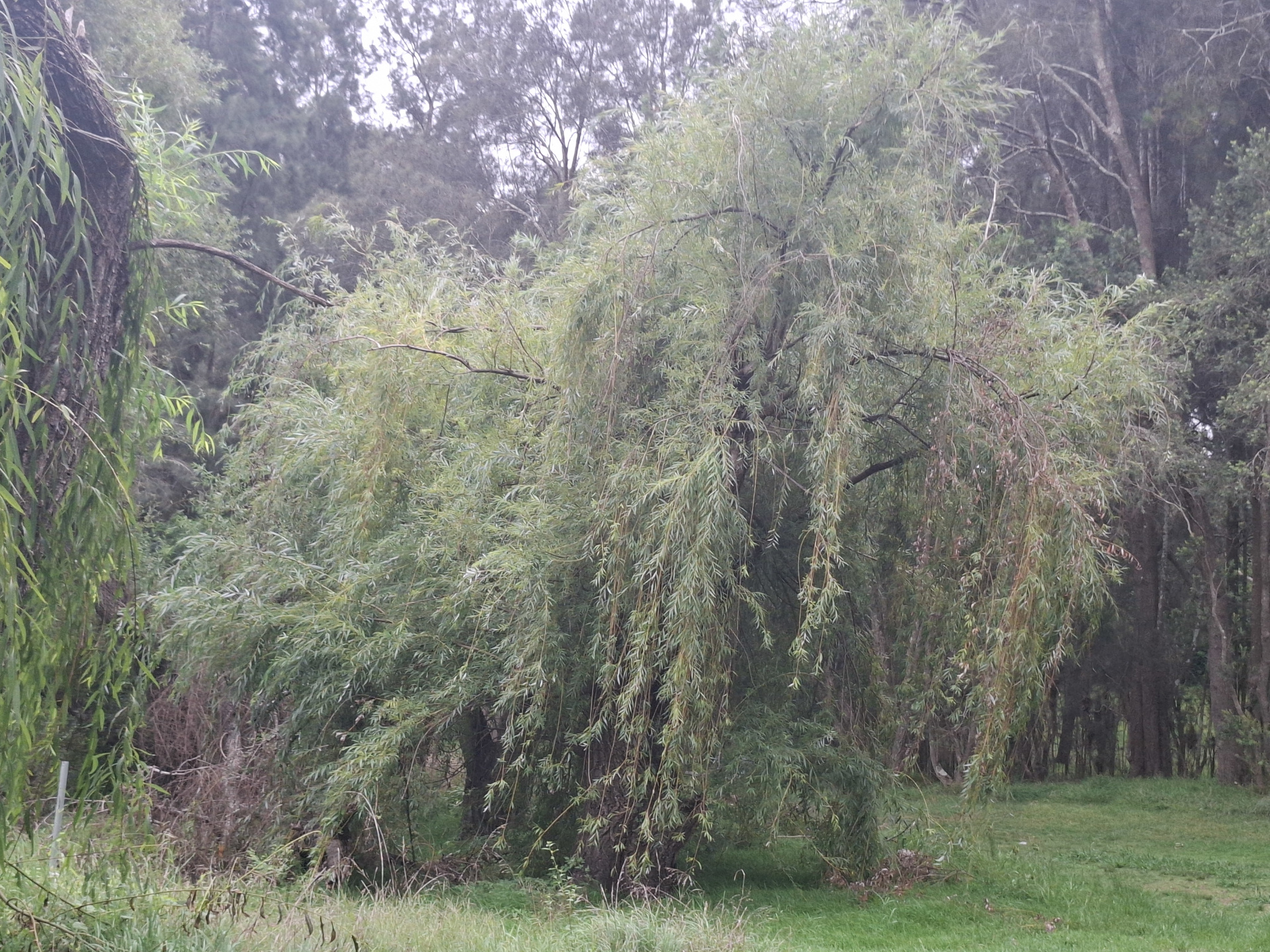
Ernie Webb was a market gardener in Menai. In 1927 (the same year that electricity reached Lugarno), he leased the orchard from Ella Connor & George Stanley Connor ("Stan"). By the 1930's the arrival of the fruit fly had caused havoc in local orchards, so Ernie began the back-breaking job of removing the fruit trees. Vegetables rather than fruit were the main income earner. The local volcanic soil produced high quality vegetables. At its peak, the gardens had a turnover of 15 thousand pounds per year. It was one of the few market gardens in Sydney supplying early season vegetables to Sydney markets within a day of picking. During WW2 the gardens provided vegetables for the defence forces. At one stage the army took over the house, Valencia, and a small part of the grounds for repairing troop carriers. In 1948, Ella Connor sold 20 acres of “Valencia”, the orchard part, to Ernie Webb who continued to run the market garden, but moved out of the old homestead. A small dam on the site was enlarged a number of times in order to provide the large quantity of water required for the gardens. By 1957 it contained one million gallons of water and today it is the centrepiece of Evatt Park. Some of the original willow trees, planted by Ernie, at the water’s edge, provide shelter for the myriad of water birds that call the area home.

The circular impression forming Evatt Park is the eroded crater of a Marr-Diatreme volcano that scientists believe was active between 150 - 200 million years ago. It’s just a portion of the long, convoluted history of this site that’s with exploring. On January 20, 1788, Second Lieutenant Philip Gidley King, and his crew from the HMS Supply, set out in a rowboat from Botany Bay, searching for fertile land and fresh water. They landed at Gertrude Point, Lugarno, and walked uphill until they reached the fertile volcanic soils in this area (Evatt Park). However before they could discover the fresh water stream nearby, they were confronted by 12 local indigenous people who threatened them with spears as a warning to go away. Forward to 1831 when this land became part of the first land-grant made in Lugarno to Thomas Greenwood Lawrence. Under conditions of the grant, he was required to clear and cultivate 22 acres by 1833. As the grant was 120 acres, he was entitled to apply for convict labour in return for food and clothing. Initially he received two convicts and a third later.

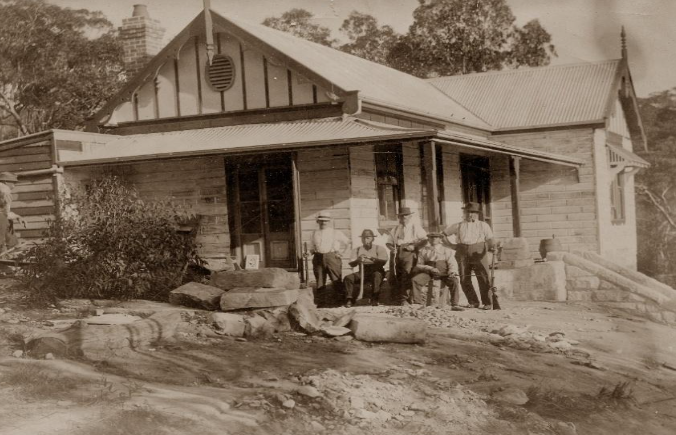
In 1914 Stan and Ella Connor set up home at their 48-acre property, called “Valencia”, at Forest Road, Lugarno. The whole property extended westwards to the Georges River and included a well established 20 acre fruit orchard and vegetable garden. The house itself was quite small – a timber plank cottage with iron roof, 3 bedrooms, kitchen, living room and back verandah. There was a separate laundry and a long drop toilet (8-10ft deep and 6ft long with 4 seats). There was no electricity; lighting was from carbide lamps, a Coolgardie safe was used for food storage, and water was from tanks or, in an emergency, from a well on the property. They had a telephone (Kogarah 681) and the nearest house was about half a mile away – the Boatwright family. The nearest settlement was Peakhurst at the top of Forest Road, about 5 kilometres away – about an hour in the sulky. It had a store, a church and half a dozen houses. From the orchard at night they could clearly hear the steam engines and their whistles as they went through Mortdale and Oatley stations. In 1948, Ella sold 20 acres of “Valencia”, the orchard part, to Ernie Webb who continued to run the market garden, but moved out of the old homestead. Demand for housing was increasing, and from 1948 onwards (shortly after her husband Stan had a stroke), Ella sold off sections of the property for residential development, firstly Allwood Crescent on the south and west sides of the market garden, and then Valentia Avenue on the north side. During the development of Valentia Avenue, the old homestead was demolished.
There are remains of a quarry on the southern contact of the volcanic intrusion of Evatt Park (where the sandstone had been baked hard). The quarry was established by George Stanley Connor (aka Stan) during the late 1920s for road metal. The stone was sold to the local council and transported by truck to Peakhurst and Stoney Creek Road where it was mostly used as road base. They frequently had to drill, blast and screen the material, and load it onto council trucks. Another quarry was opened near the river (at the end of what is Allwood Crescent today). Here Llewellyn Jones and Harry Whitwell built a dam, put in a stone crusher and made some barges. The stone was transported down the river by barge, pulled by a boat called the Swift, to Cooks River, where Botany/Bayside Council used it for road base.

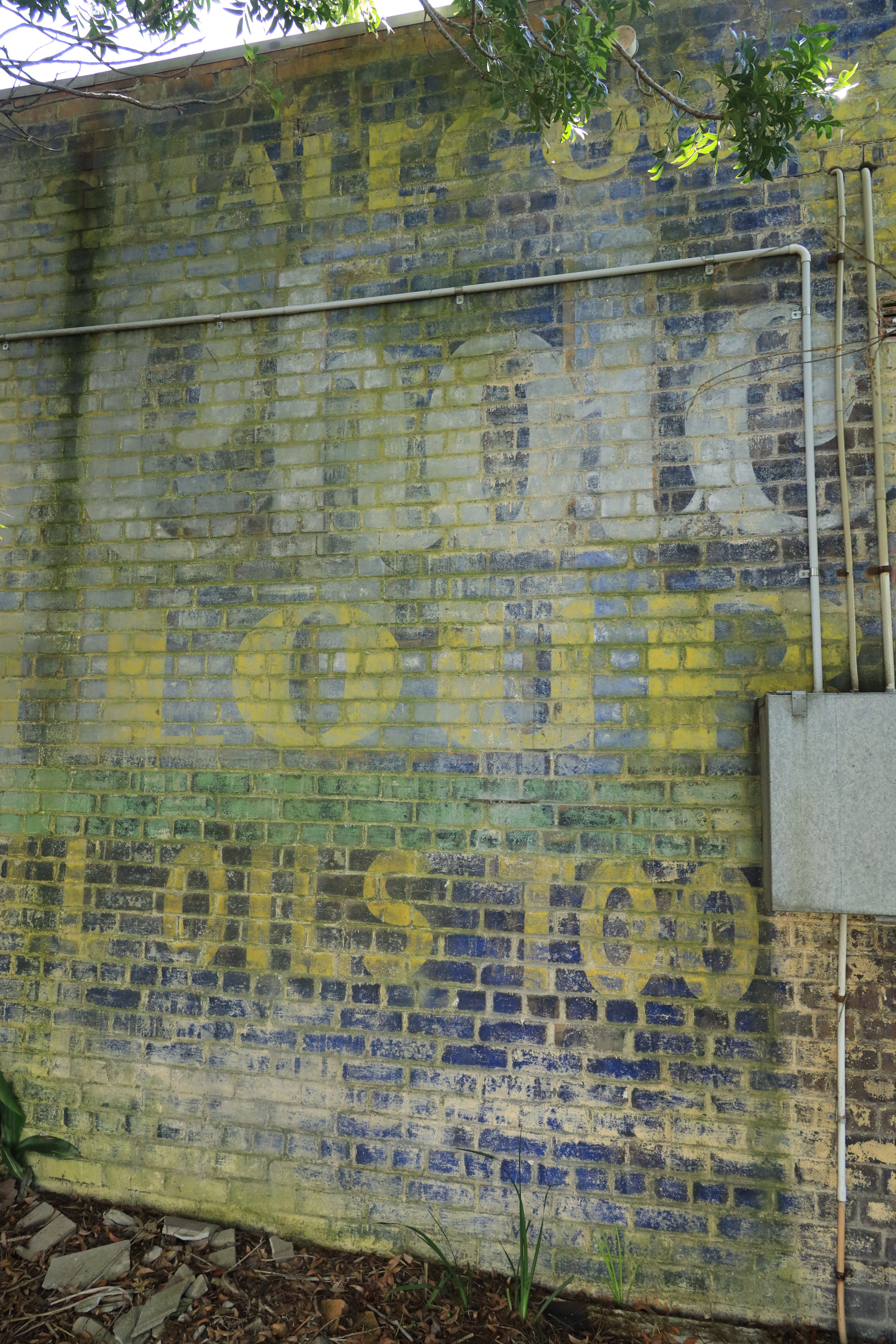
The Old Shop is the site of the first service station in Lugarno, run by August Zoeller and his son, Emil. They opened it in 1929, hoping to capitalise on the traffic going to and from the ferry. Sadly, when the Great Depression hit, traffic declined, and the business closed. It became a residence until 1945. After the war, August’s daughter, Madeline, and her mother, reopened the shop as a general store, providing a vital service for the community who had previously had to travel out of Lugarno for groceries, cigarettes and other everyday commodities. It became a gathering place for the neighbourhood, a place to catch up on the latest local news, and in 1949 it also became the post office. Today it remains a part of Lugarno’s history and the Bushells tea sign (still visible on the side of the building) is particularly significant. These signs which are iconic ‘ghost signs’, represent the historic marketing campaigns of the early 20th centuries. Bushells and other companies kept sign writers in full time work painting their signs on walls all over the country.

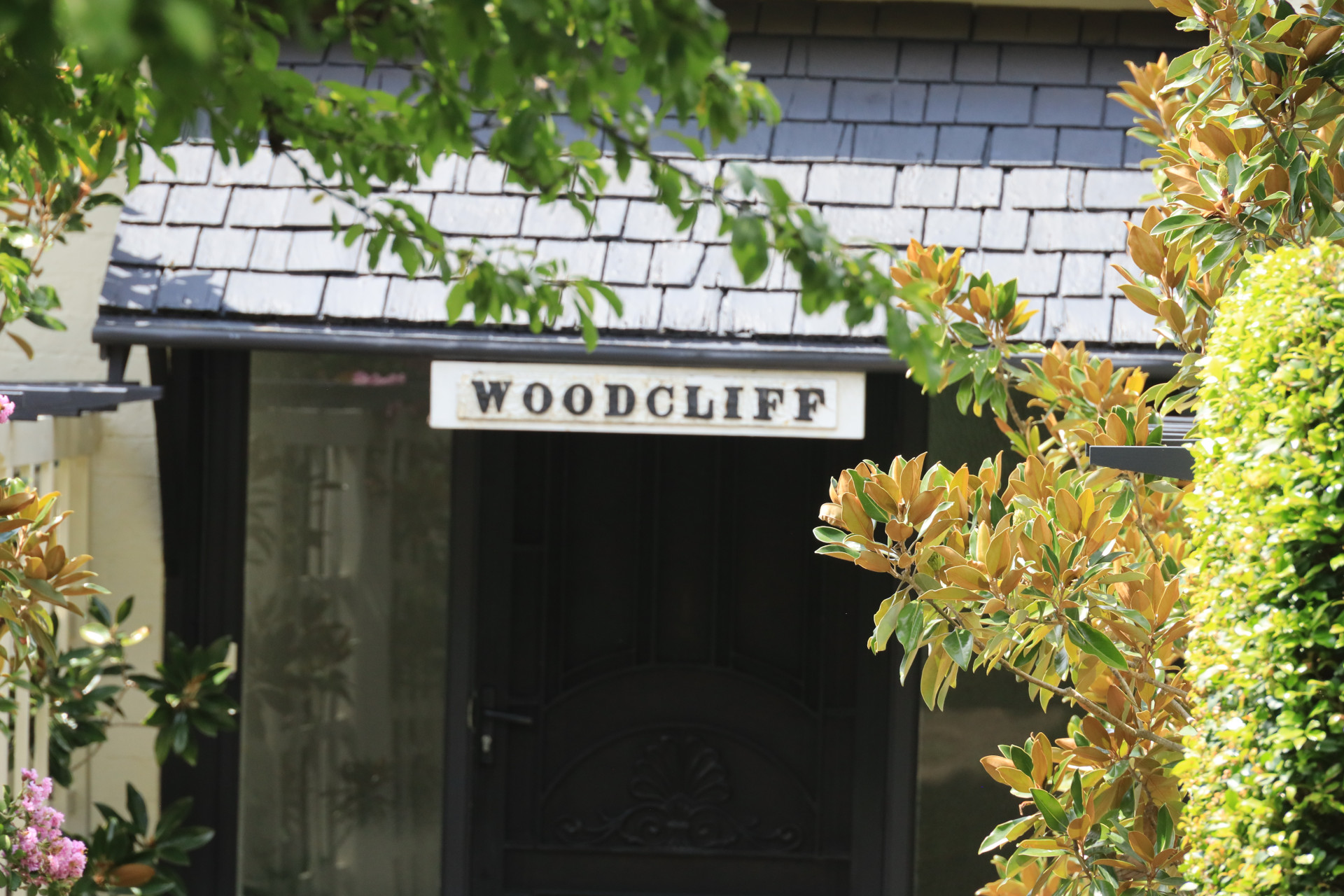
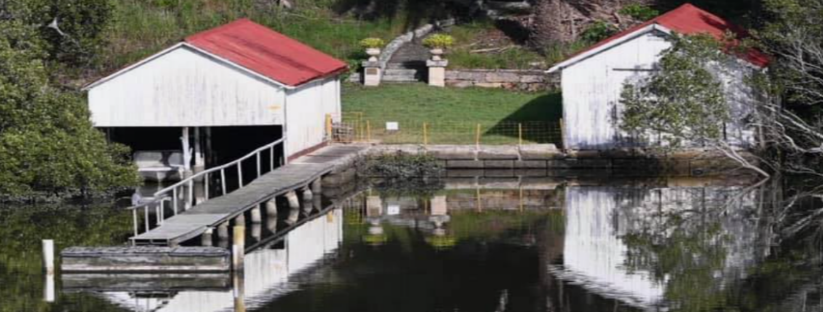
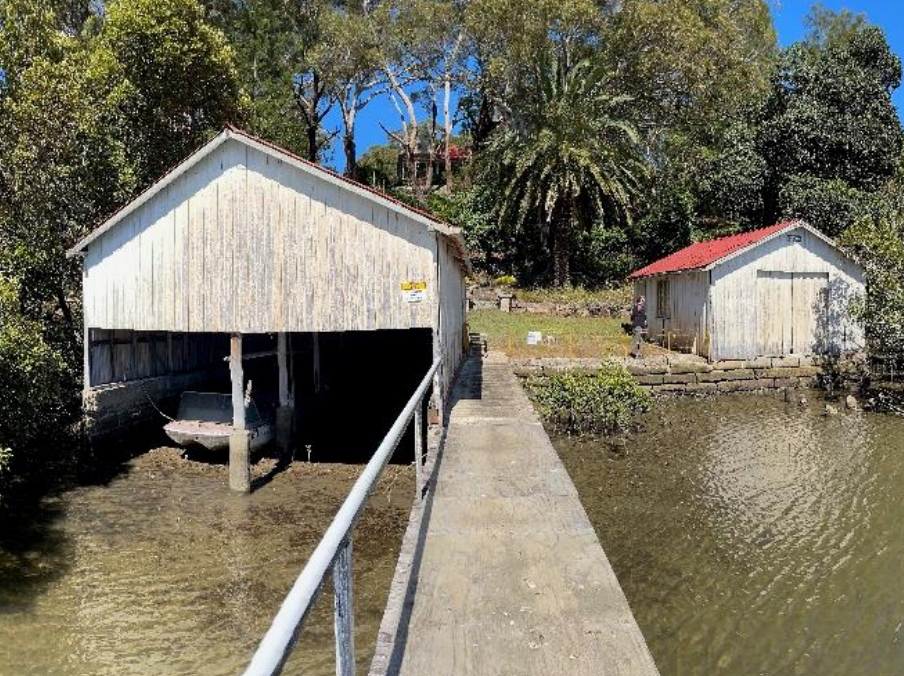
Heinrich house was built by Frederick Middleton in 1885 and purchased in 1900 by Adolph Gustav Heinrich. Adolph restored the home and laid out extensive gardens including a white magnolia tree near the back door, which still blossoms each year. He added a wisteria walk, azaleas across the front of the house and hundreds of bulbs, freesias, daffodils and jonquils. An extensive stone-fruit orchard and a number of citrus trees provided for the family. This provided convenience since the closest shops were across the river in Como. In order to sustain his gardens and orchard, Adolph dragged 2 large tanks on a low trailer (fitted with wheels he’d made from the trunk of a tree) and pulled by his bakery horses along the rough uneven roads to Lugarno. The tanks were connected by pipes, providing water to all areas of the property, even to the boat shed. Eventually the tanks were replaced by a large well on the right side of the house. In 1938 Adolph built an elaborate summerhouse and fernery and a tennis court which was often used by the community. Numbers 9 and 11 Bayside Drive are built on the original tennis court site. Today Heinrich House has an outdoor sign naming it Woodcliff.

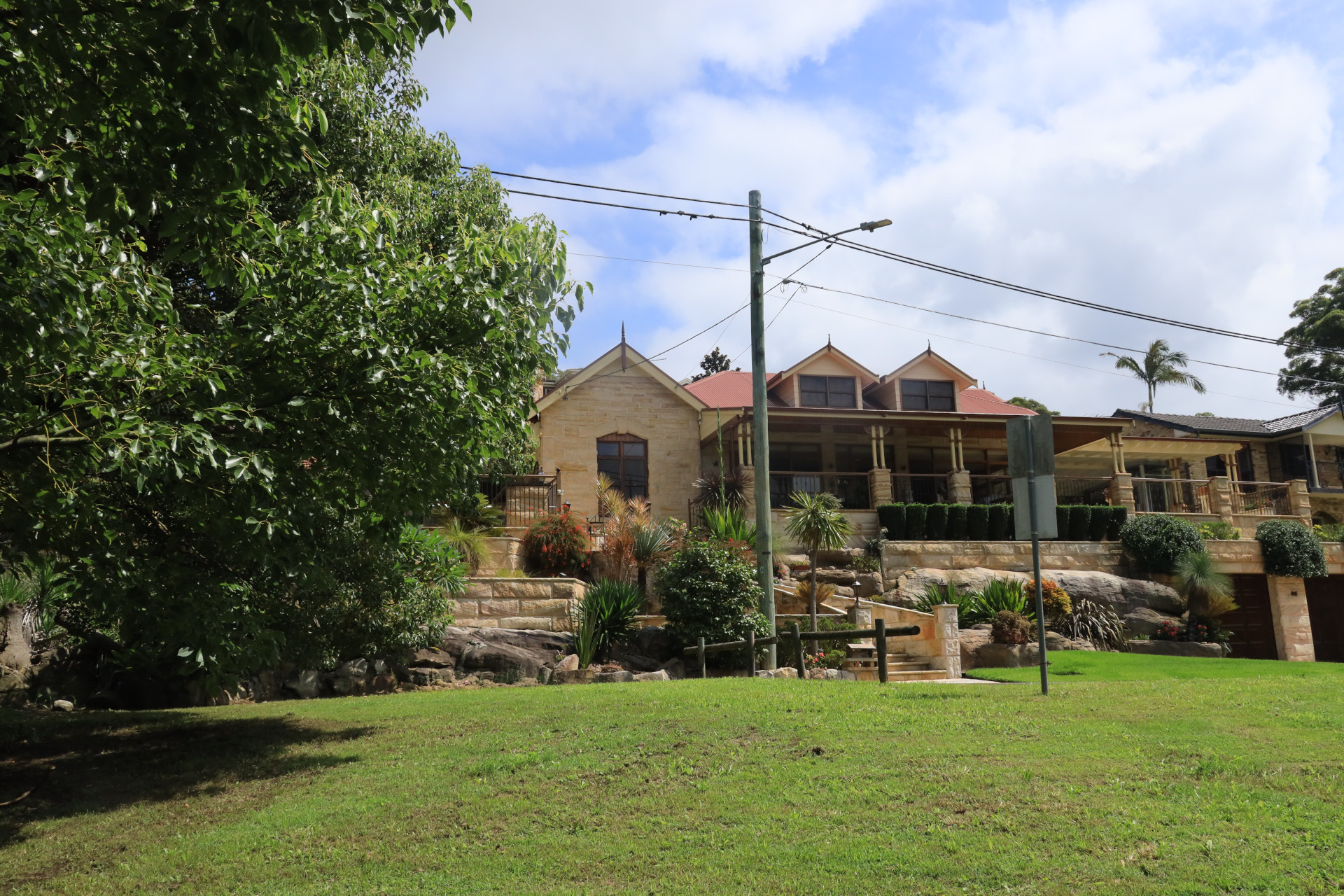
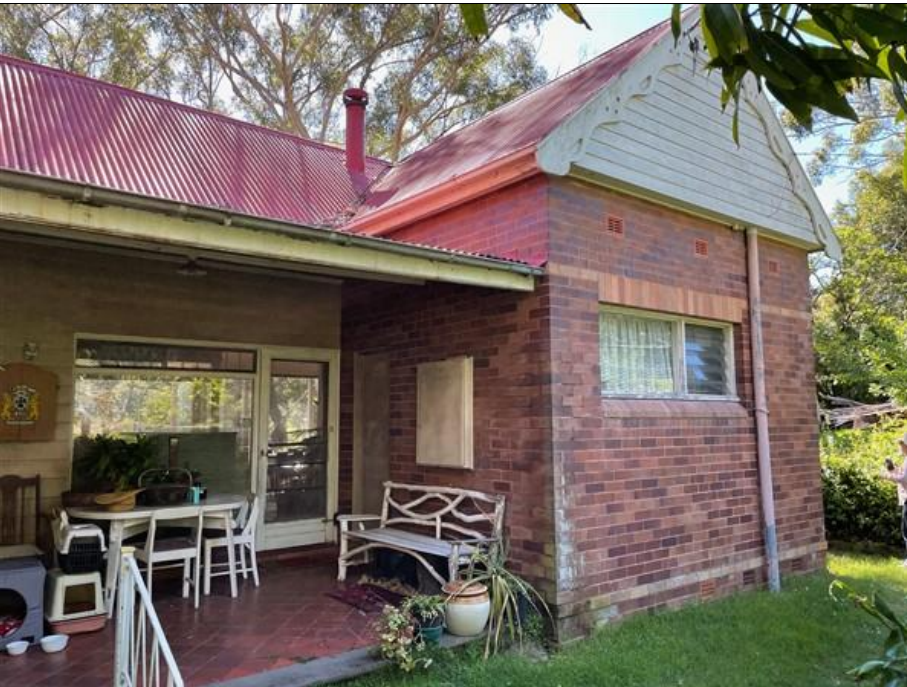
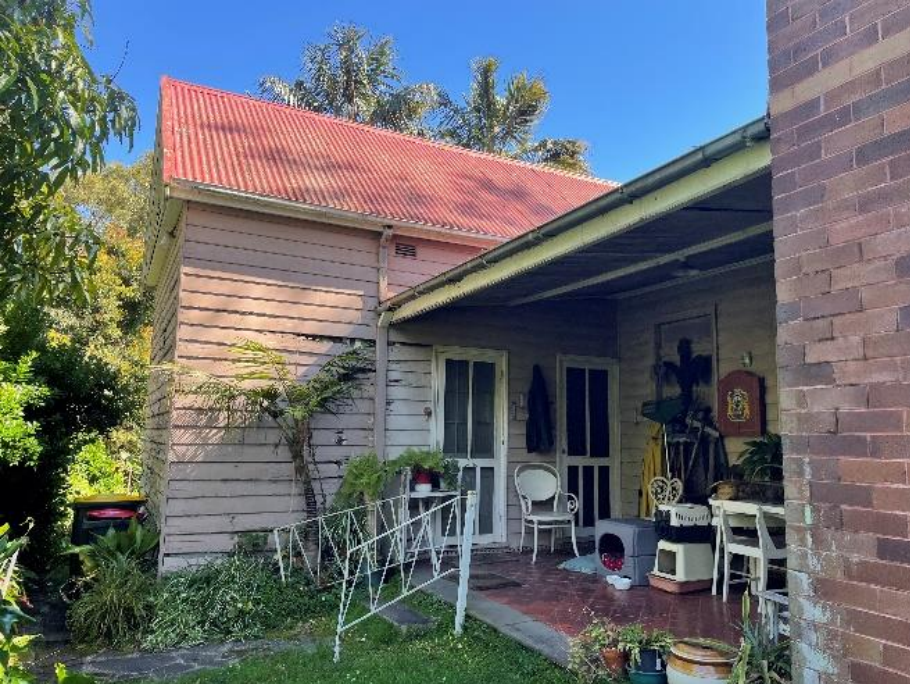
The Hermitage House was originally the home of George Edward Chislett. He purchased 5 acres of land from what today is known as Glenlee. Originally Chislett lived in a timber house while building a stone house for himself, which he called Chiselhurst. His son, a florist, moved into the timber house and terraced the property down to the river, providing more space to grow flowers for the trade. The blooms were taken by launch to Como and then by train to Searles florist, King Street, Sydney, and Miss Birmingham’s in Oxford Street. They grew 700 Christmas bushes for the opening of Parliament House, Canberra. The timber house was burnt down in the 1938 bushfire. The property was sold to Thomas and Jessie Craig and Horace and Alice Martin who continued selling flowers to the Sydney market. Eventually, Kevin Martin married Heather Craig, lived in the old stone house and changed its name to The Hermitage. The property underwent significant renovations by the current owner who bought the property in 1996.

The National Trust has classified this area as a Heritage Precinct because these 3 heritage-listed historic properties (Heinrich House, Hermitage House and Glenlee) form a snapshot of the early settlement of NSW. This is rare in suburbia, and together their European history dates back to 1856 when 2 land grants were made by the Governor, Sir William Thomas Denison. The Heinrich house remains a beautifully restored example of its era. The Hermitage has been extensively renovated but remains a nod to the stone house that Chislett built in the early 1900s. Glenlee remains the least developed example of early settler history and is especially significant because of its well-preserved Aboriginal cultural heritage. The precinct is also an example of the importance of river transport at the time. All supplies had to be brought across the river; food, building supplies, and household goods. The pantry at the Heinrich house was a full-sized room, lined with shelves on all sides, to store the family’s provisions. This precinct is a legacy, three pioneer families linked by the challenge of carving out life in the harsh Australian bush and in the process, laying the foundations of a suburb.

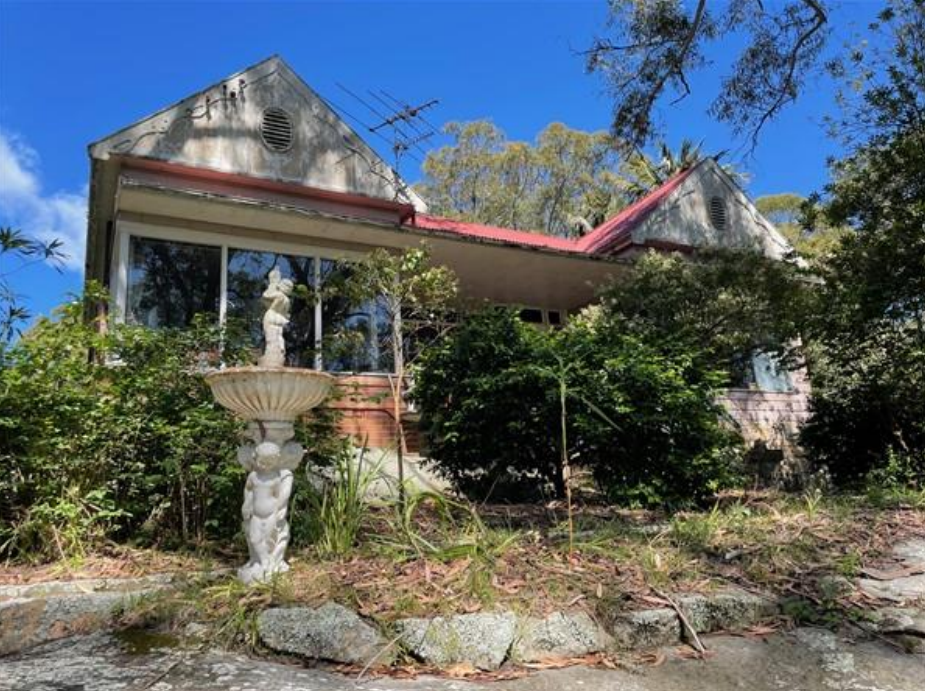
Facing the river and looking to the right, you will see the historic site of Glenlee at the end of Bayside Drive. The actual address is 80 Boronia Parade (the other side of the estate) and the historic gates and house can be seen best from there. Set on the Lugarno peninsula in New South Wales, Glenlee is a 2.5 hectare oasis in a desert of urban sprawl. Listed by the National Trust for its Aboriginal Cultural Heritage and significant Early Settler history, it is a time capsule of our earliest NSW history. Residents are fighting to save it from development destruction. Glenlee is part of one of the original land grants in Lugarno made by Governor Sir William Thomas Denison in 1856 to Thomas George Lee, son of a shoemaker from London. The property was sold in 1859 to John Blatchford for 100 pounds, and again in 1886 to John Henry Geddes. Geddes built a six-room timber house approximately where Boronia Parade sits today. Unfortunately he lost the land during the Depression of the 1890s when City Bank foreclosed the mortgage. Otto Emil Matthei first saw the land when he and his wife Anna Marie and their two sons were travelling up the Georges River on a paddleboat heading for a Sunday school picnic. Otto became enchanted with the area and decided it was where he wanted to raise his family. The family occupied the Geddes house as caretakers for City Bank in 1908 until Otto’s finances allowed him to purchase bits of the surrounding land. By 1915 he owned 41 acres. The Mattheis became fishermen and oyster-farmers and are important in the oyster-farming history of the area. In 1910 Otto built Glenlee, a homestead that still remains today, set on the hillside overlooking the river. He bought a cow, planted a mixed orchard and a vegetable garden, and built boatsheds and wharves along the river frontage. In 1920 the estate was subdivided and a gravel road was constructed and named Boronia Parade after the pink Boronia that flourished in the area. The road cost four hundred pounds. The family farm helped the Matthei family survive the Great Depression, providing milk, butter, eggs, fruit and vegetables. Over the following decades the organic produce was made available to the community each Saturday from a stall manned by Will and Alan Matthei, grandsons of Otto and Anna. Many Lugarno residents remember buying their produce and stopping to chat to the brothers. Will and his wife Jessie continued to live at Glenlee until William’s death in 2018.

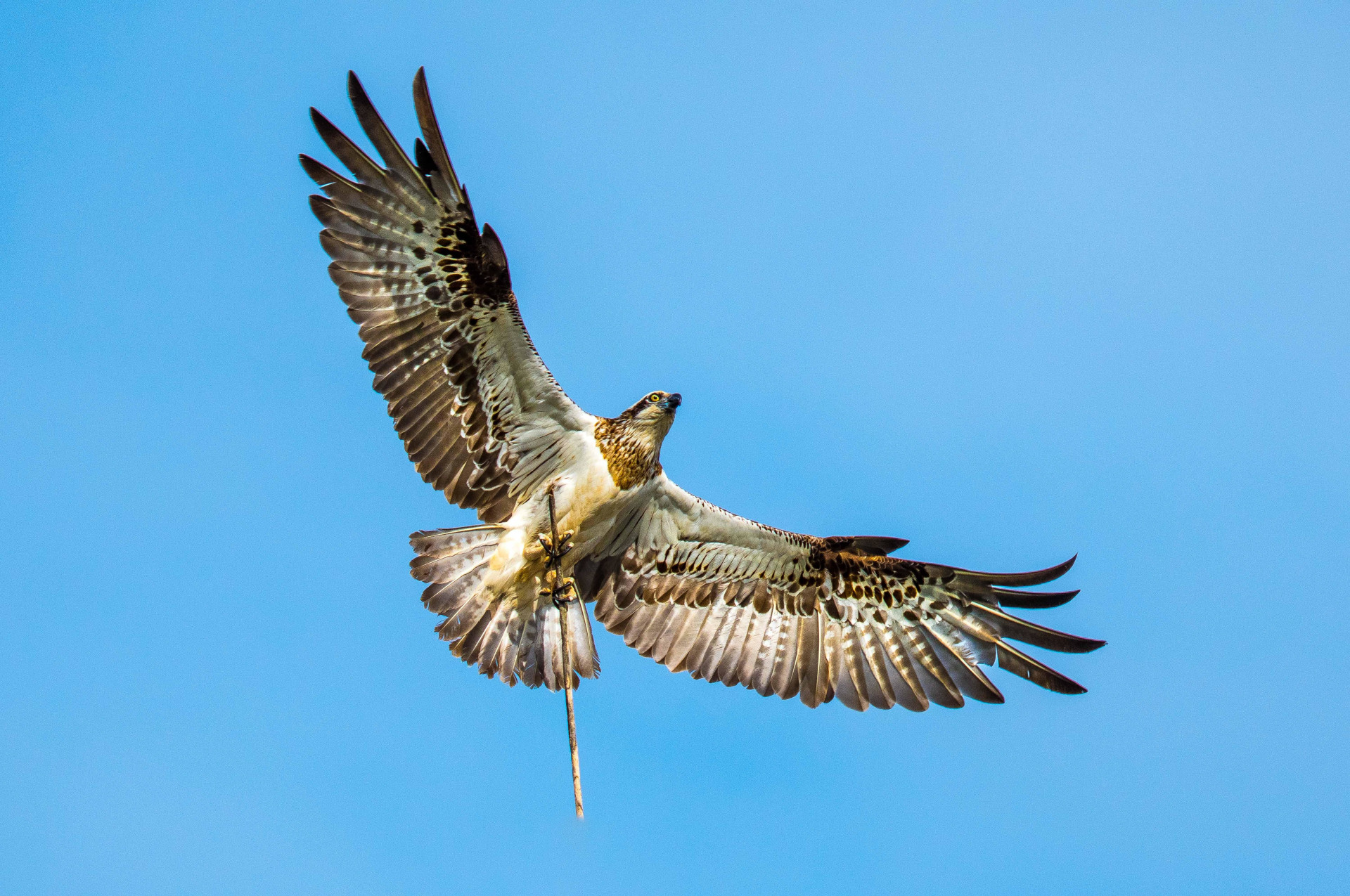
Lime Kiln Bay, named after the lime kilns in the area previously used to convert shells to building mortar, is located in Lugarno. The estuary was also a vital oyster farming area, with relics still visible on the sand flats and the banks. Today, you will likely see a pair of Ospreys perched on a tree overlooking the water - their favourite fishing spot. The bay has 2 tributaries: Boggywell Creek and Dairy Creek.

Boggywell Creek is an urban gully that rises north of Thorpe Park in Beverly Hills and flows 2.5km south through Peakhurst before meeting the Georges River at Lime Kiln Bay, east of Lugarno. Prior to European colonization, Boggywell Creek, located on the northern shore of the Georges River in what is now the Lugarno area of Sydney, formed part of the traditional lands of the Dharug (also spelled Darug) people, specifically the Bediagal clan. These Indigenous custodians maintained a deep cultural and spiritual connection to the waterway and surrounding landscape, viewing it as integral to their Country, which encompassed hunting, fishing, and ceremonial practices across the region. The broader Georges River catchment, including its northern tributaries like Boggywell Creek, served as a vital corridor for Dharug mobility, linking clans through trade, kinship networks, and seasonal resource gathering. In its pre-colonial state, Boggywell Creek likely supported a wetland ecosystem, including mangroves, saltmarshes, and freshwater habitats that fostered diverse aquatic and terrestrial life. This natural environment provided essential resources for the Dharug people, such as fish, eels, shellfish, edible plants like ferns and yam daisies, and game animals, which were sustainably harvested through traditional knowledge of seasonal cycles and ecological balance. Archaeological evidence underscores the long-term Indigenous occupation around Boggywell Creek, with known sites in the vicinity including shell middens, grinding grooves, and rock engravings that reflect cultural activities dating back thousands of years. For instance, middens containing shellfish remain and stone tool scatters along the Lugarno foreshores indicate sustained use for food preparation and tool-making, while engravings nearby depict spiritual motifs tied to the landscape.

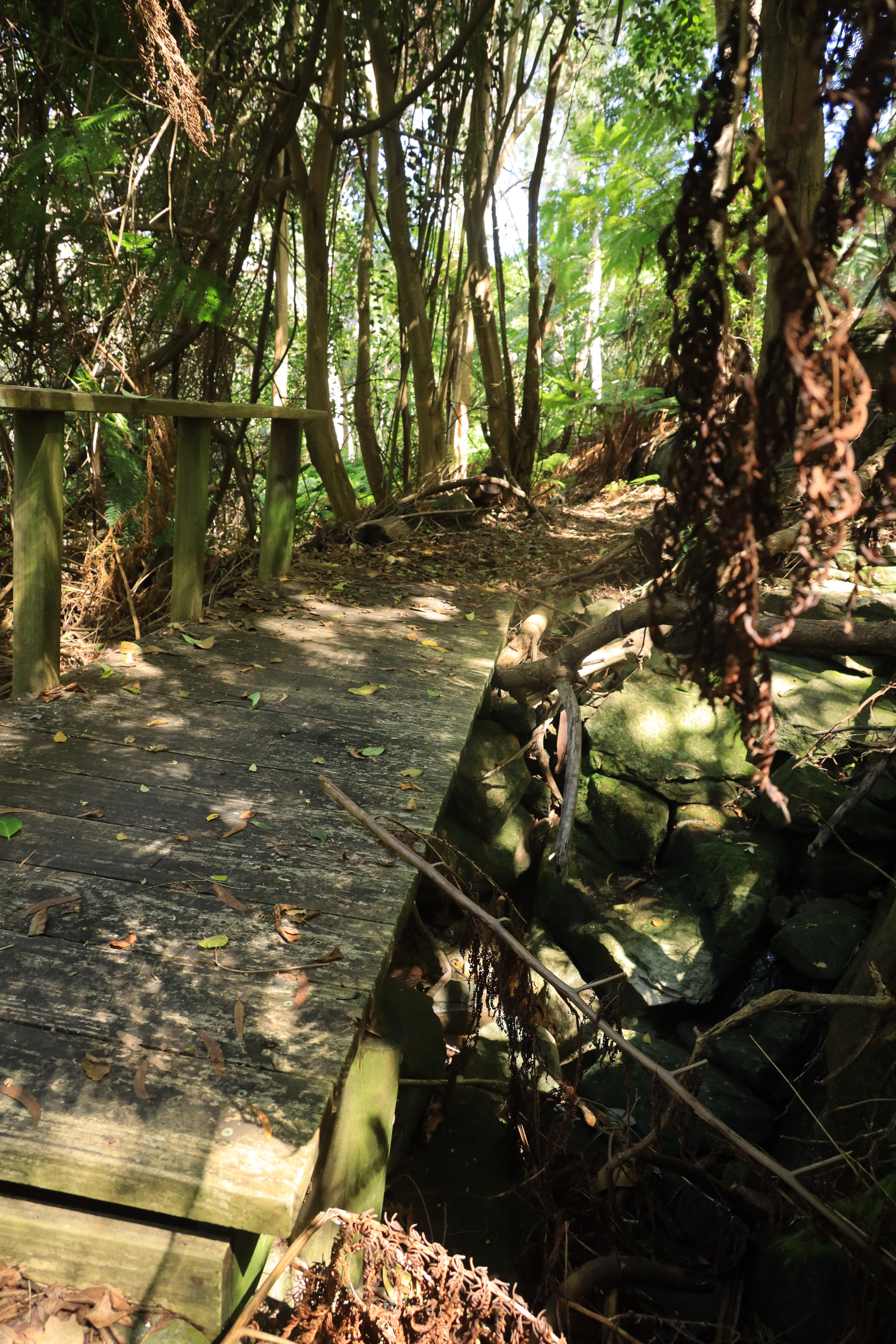
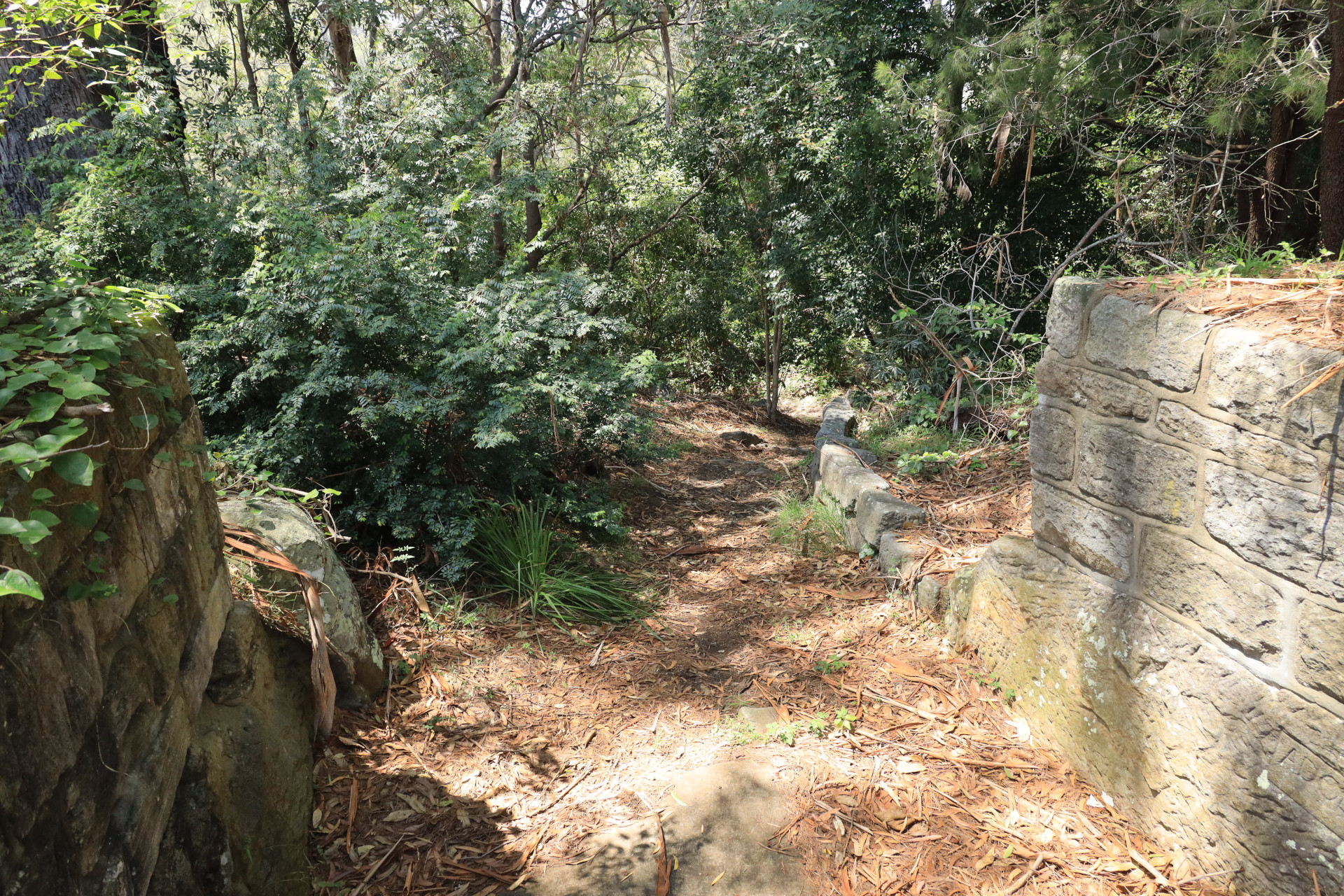
From Bayside Drive, concrete steps lead to a stone path and steps, made of hand-cut sandstone. The path is a rough track paved in some parts, and edged with banks retained with cut stone blocks and mortar. In one section the path is covered by a raised section of timber boards where a creek runs through the path. Near the base of one flight is stairs is carved "ADOLPH HEINRICH 1900". The path can be followed around to lower Gannons Park. The remains of the pier in Heinrich Reserve was the pier where Adolf kept his two boats, the "Edelweiss" (powered and with electric lights) and the "Koorabell". This stone wharf is of historical importance in providing evidence of the transport by water. All of this was built in approximately 1900 by Heinrich family as part of improvements and renovations undertaken after they purchased the property 'Woodcliffe' (overlooking Lime Kiln Bay).
This project is proudly funded by the Australian Government.