Evatt Park to Lugarno Ferry

moderate 2.3 km 8 Points of Interest

Summary

An easy downhill walk to the foreshore but uphill all the way back.

About This Walk

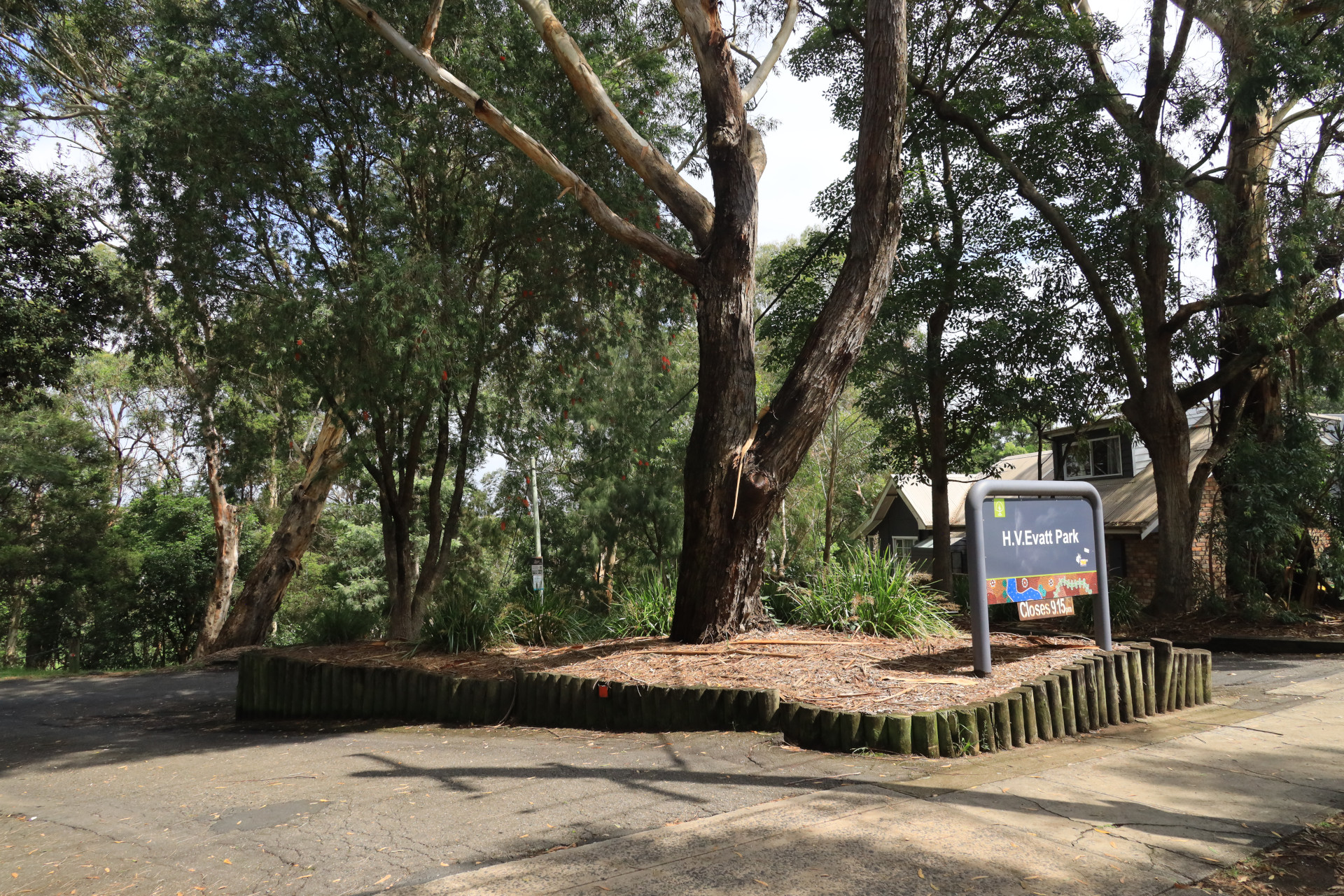
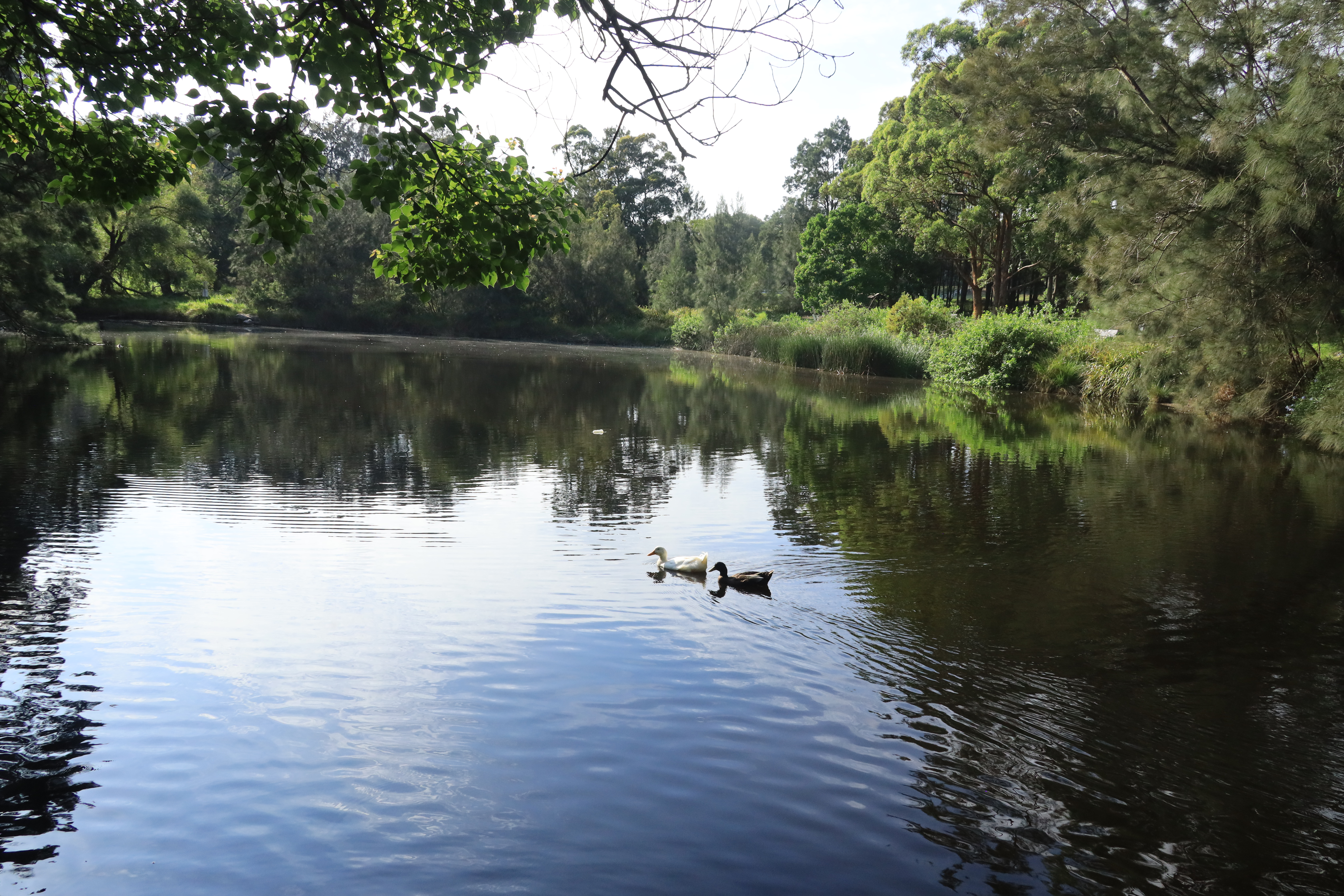
Start your walk from Webbs Dam to enjoy the local wildlife, then head to the entrance to Evatt Park on Forest Road.

Read about H.V. Evatt at the entrance to the park. 

Continue down Forest Road towards the intersection with Old Forest Road.  To the right of the roundabout is Lugarno Primary School.

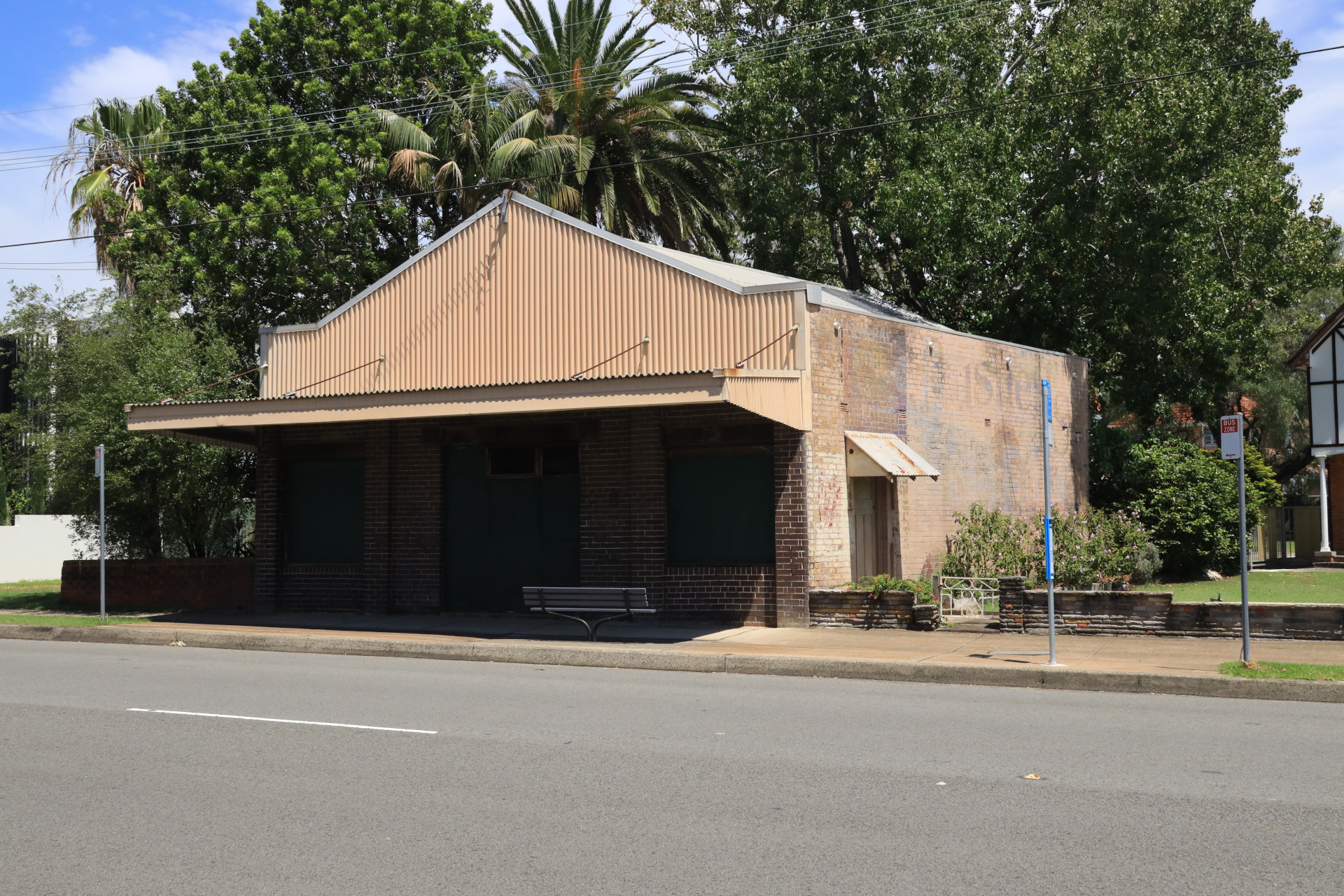
Along Forest Road you will come to The Old Shop, still showing remnants of its history with the Bushells tea sign visible.

Continue around the bends and turn right at the intersection of Forest Road and Lime Kiln Road and continue down the hill to Edith Bay.

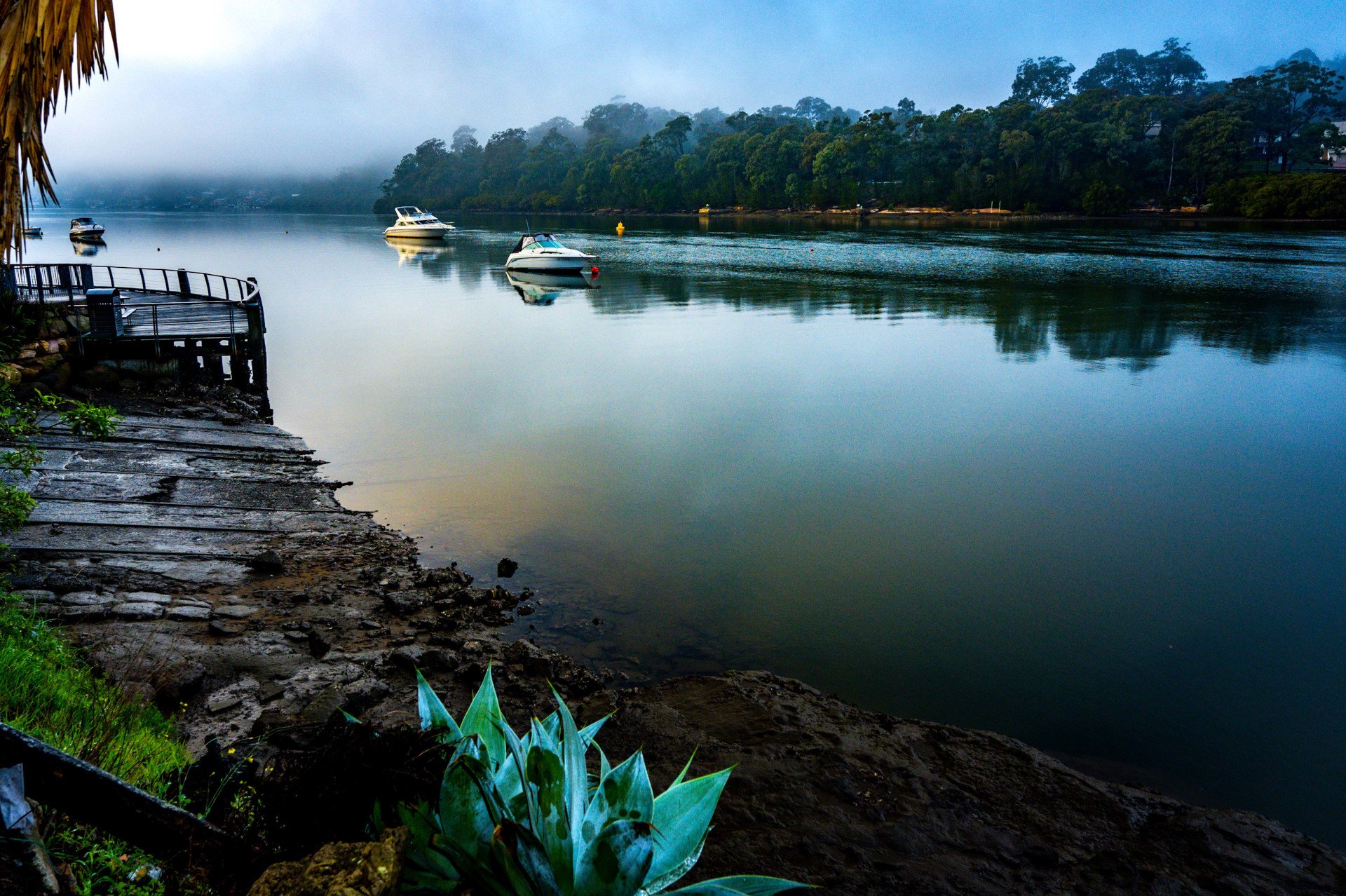
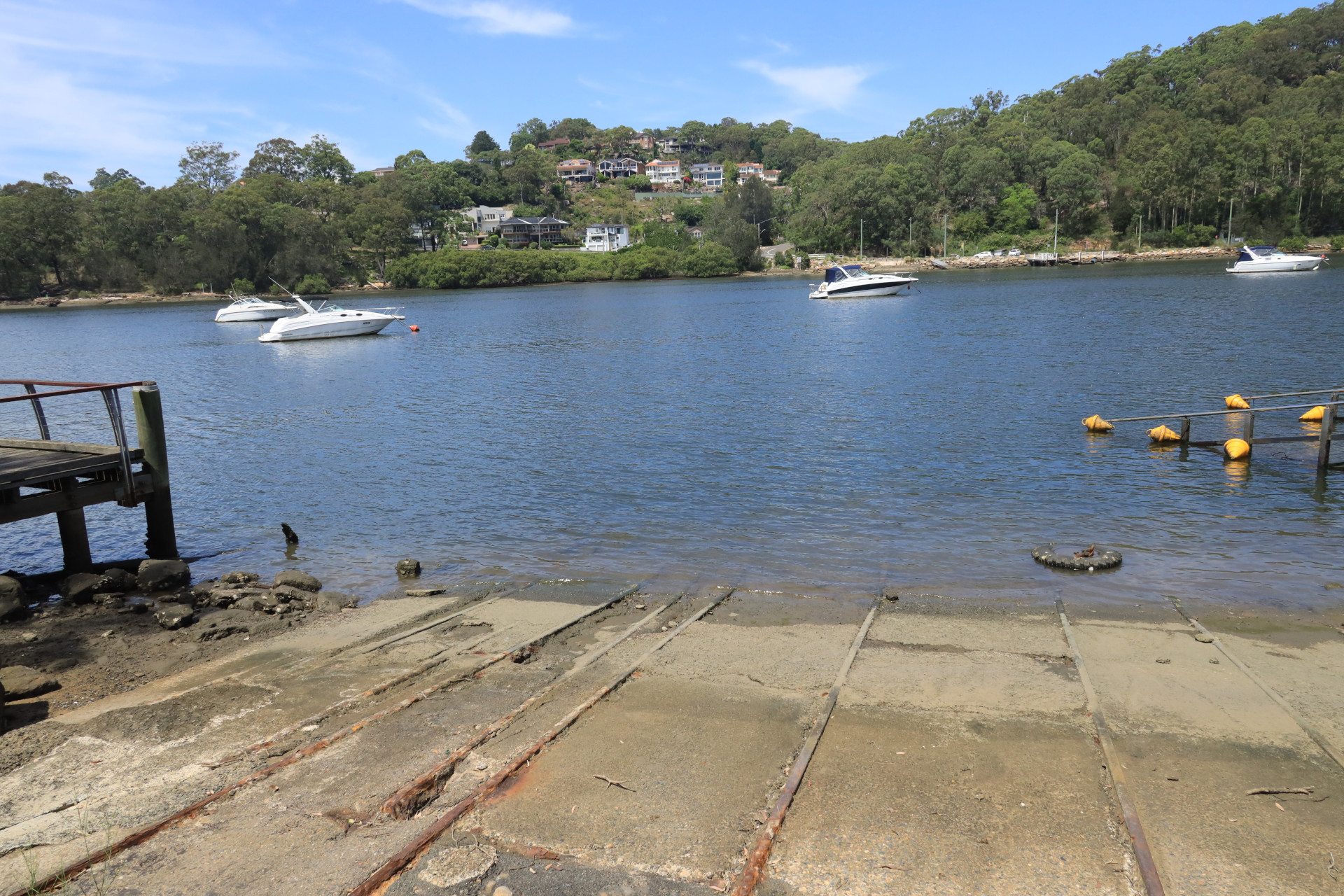
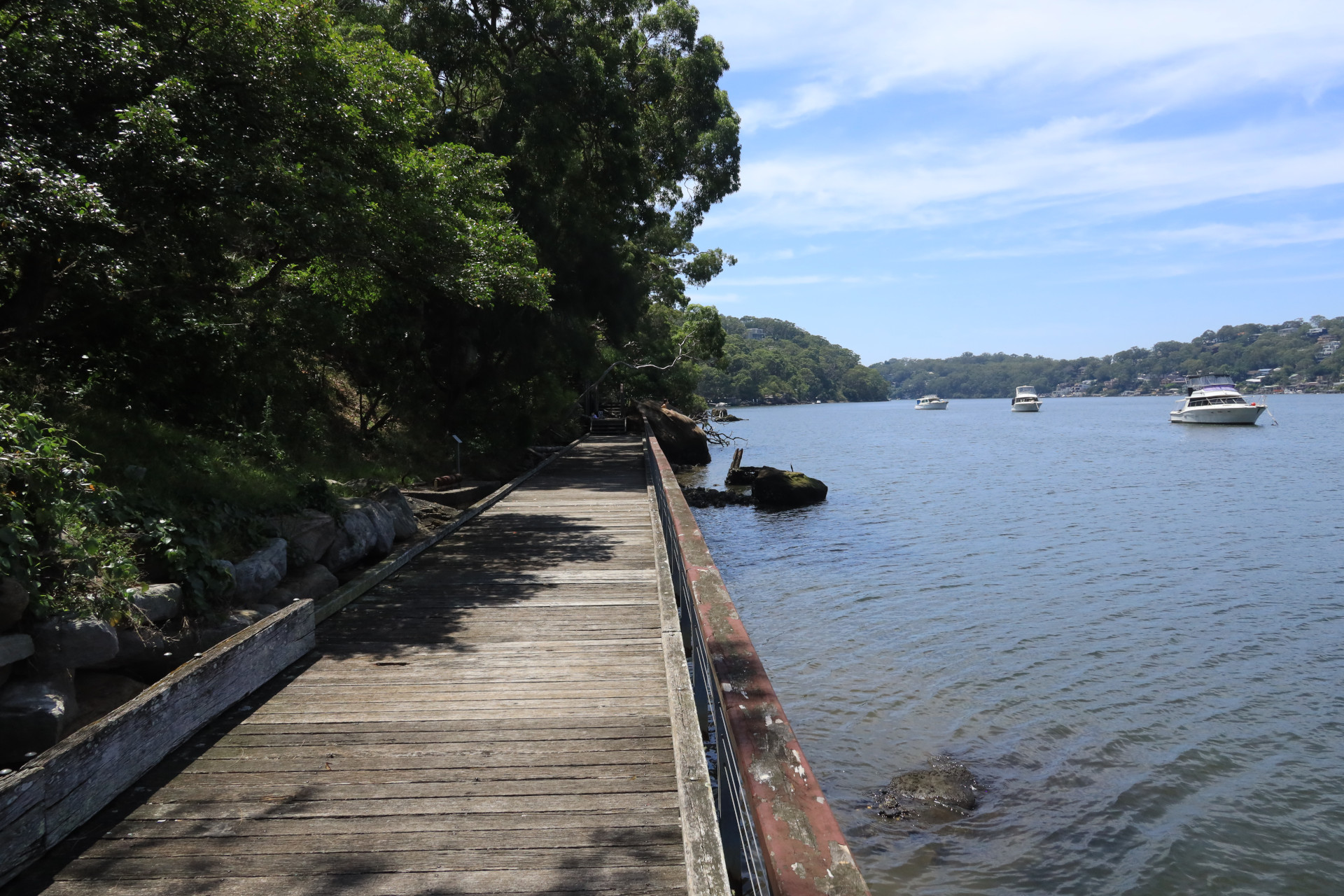
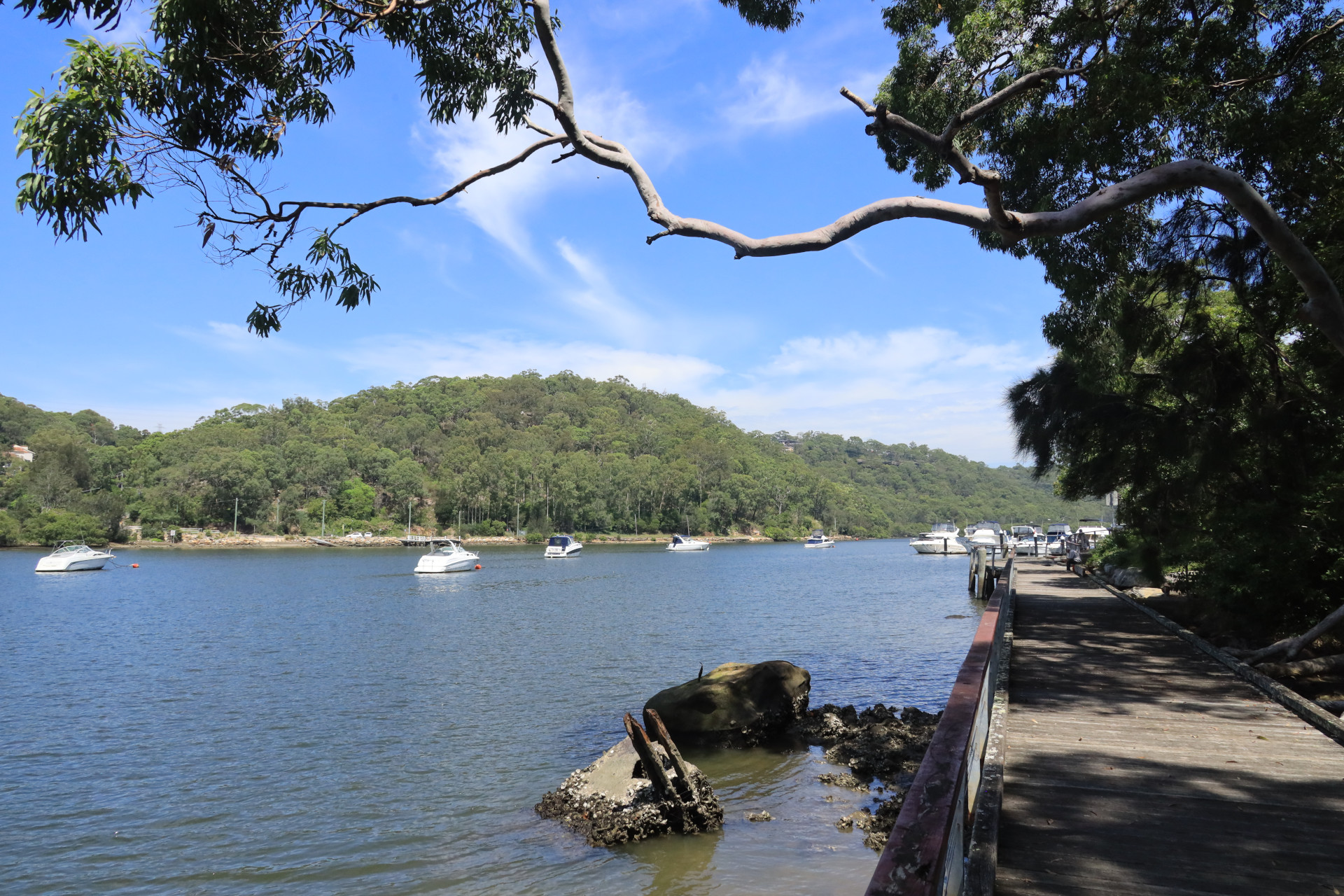
You can enjoy the juxtaposition of the old wharf remains next to the new modern jetty and kayak launching pad.

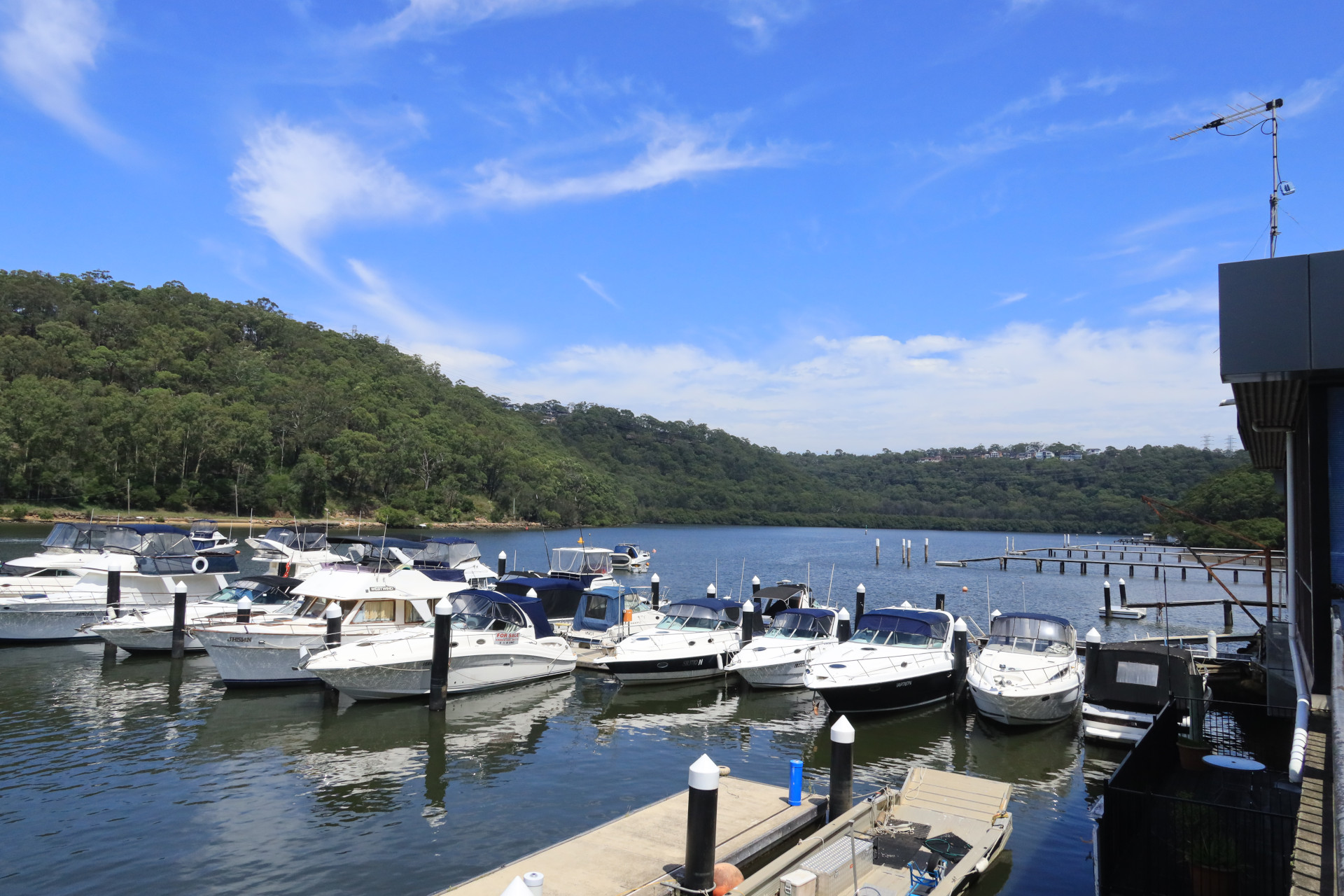
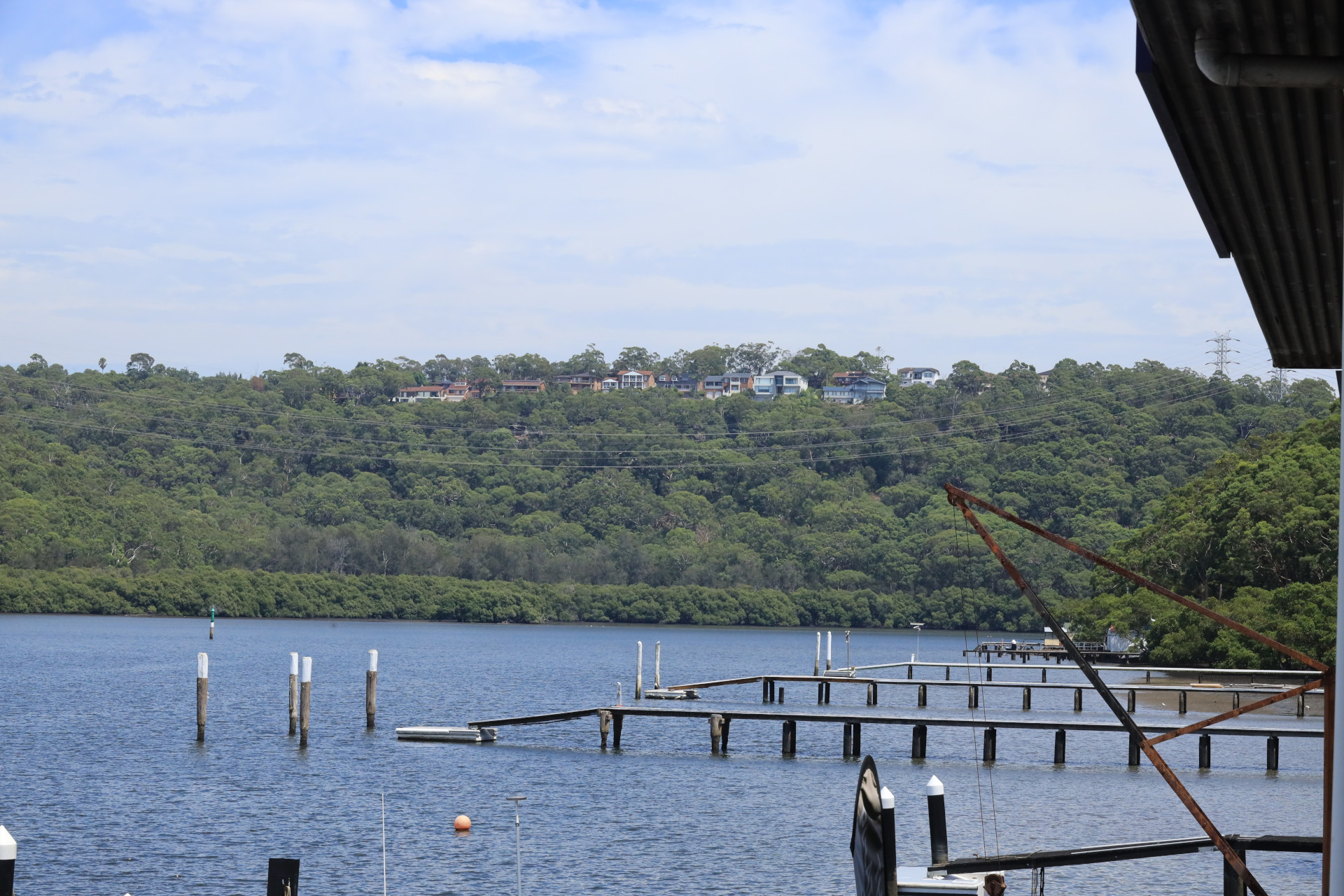
The seafood restaurant and marina provide a backdrop against the beautiful views of Georges River.   

From here you can return uphill back to Evatt Park.

On the journey up the hill, think about the historical event that occurred on January 20th 1788 with Second Lieutenant Philip Gidley King and his crew from the HMS Supply. After they landed at Gertrude Point, Lugarno, they walked uphill until they reached the fertile volcanic soils in Evatt Park. Before they could discover the fresh water stream nearby, they were confronted by 12 local indigenous people who threatened them with spears as a warning to go away. More about this story can be read here (NB: journal compiled by Senior Lecturer Robert Haworth from University of New England, Armidale). https://www.oatleyflorafauna.org.au/wp-content/uploads/2021/06/JACH-Haworth-2012.pdf

Walk Layout

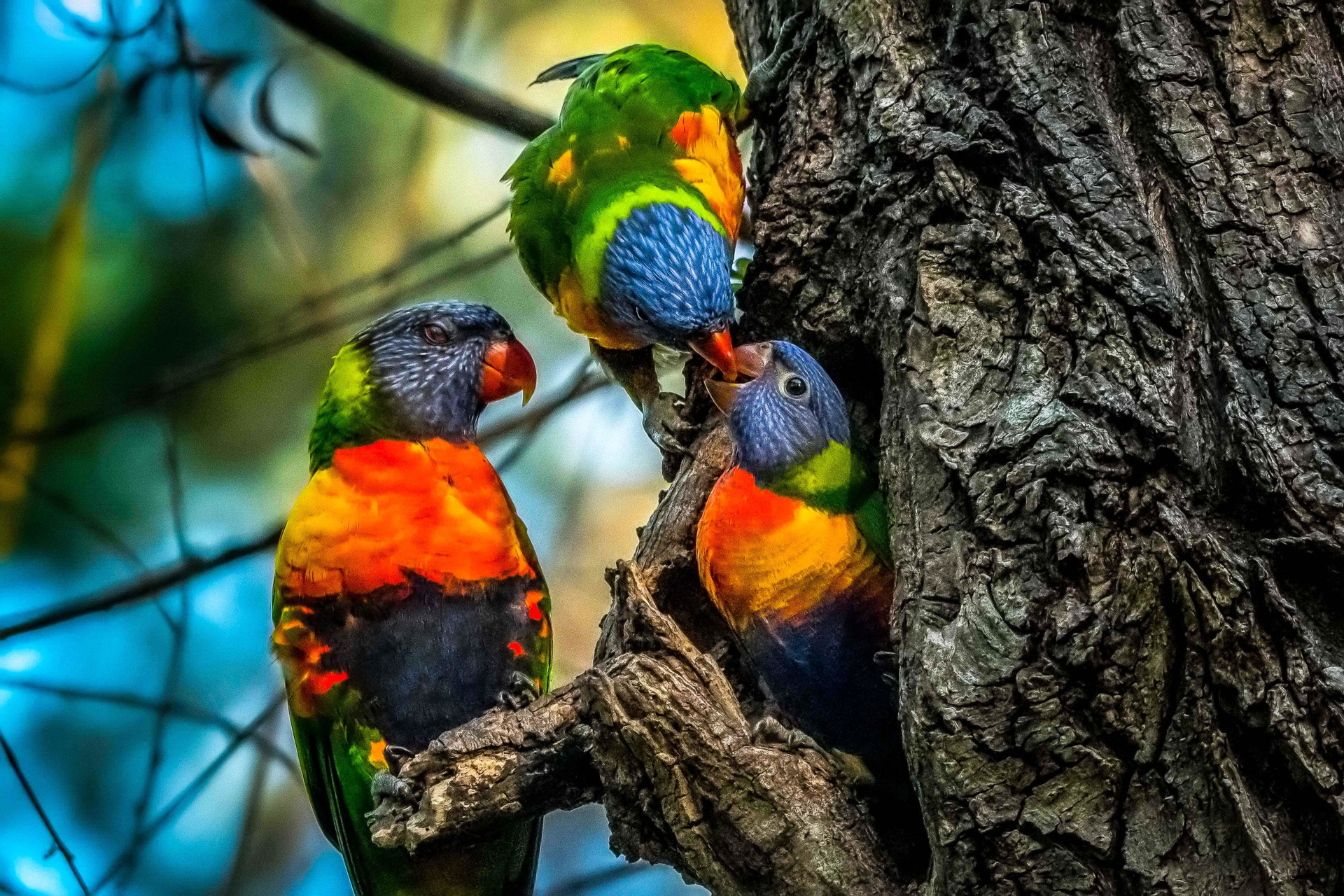
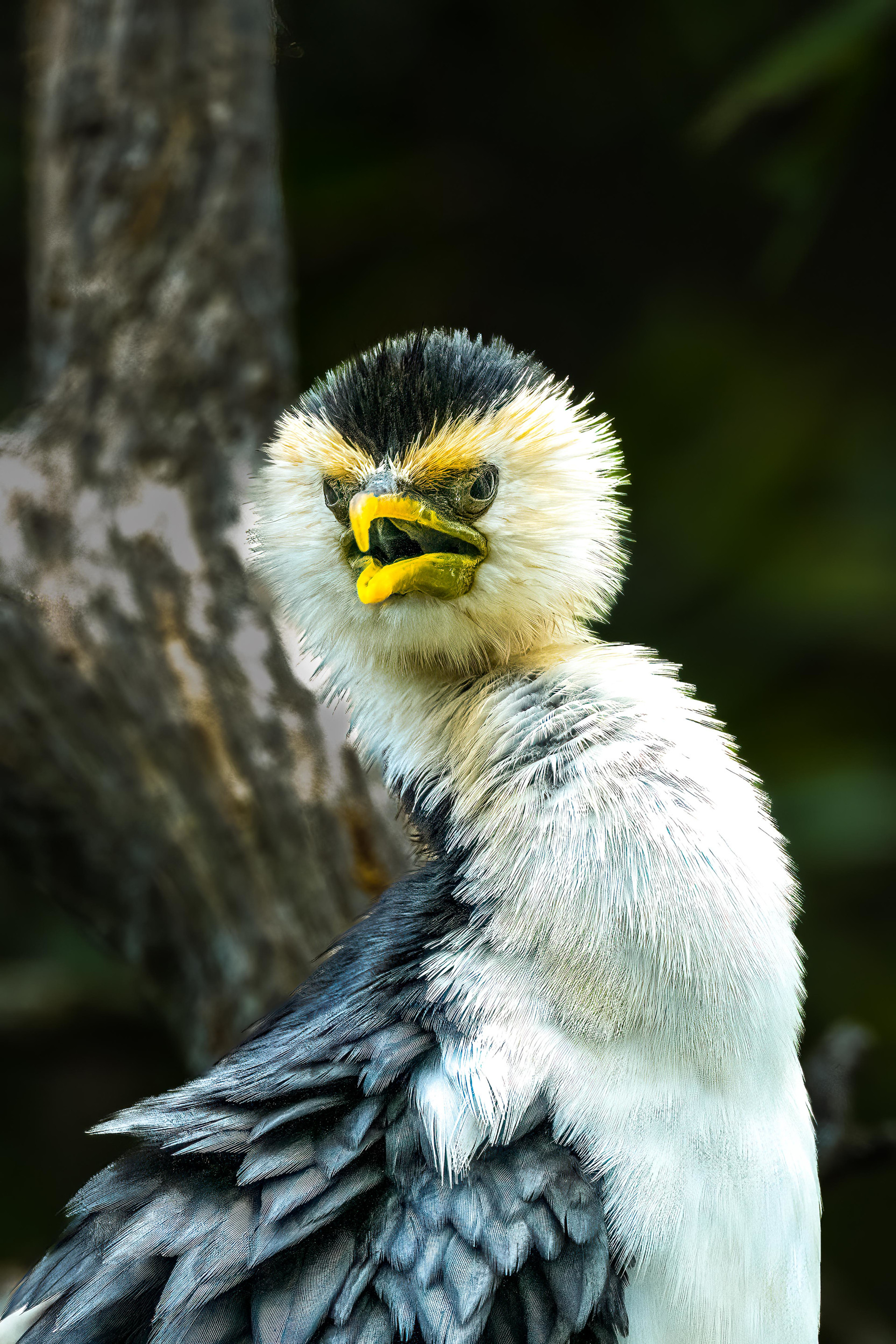
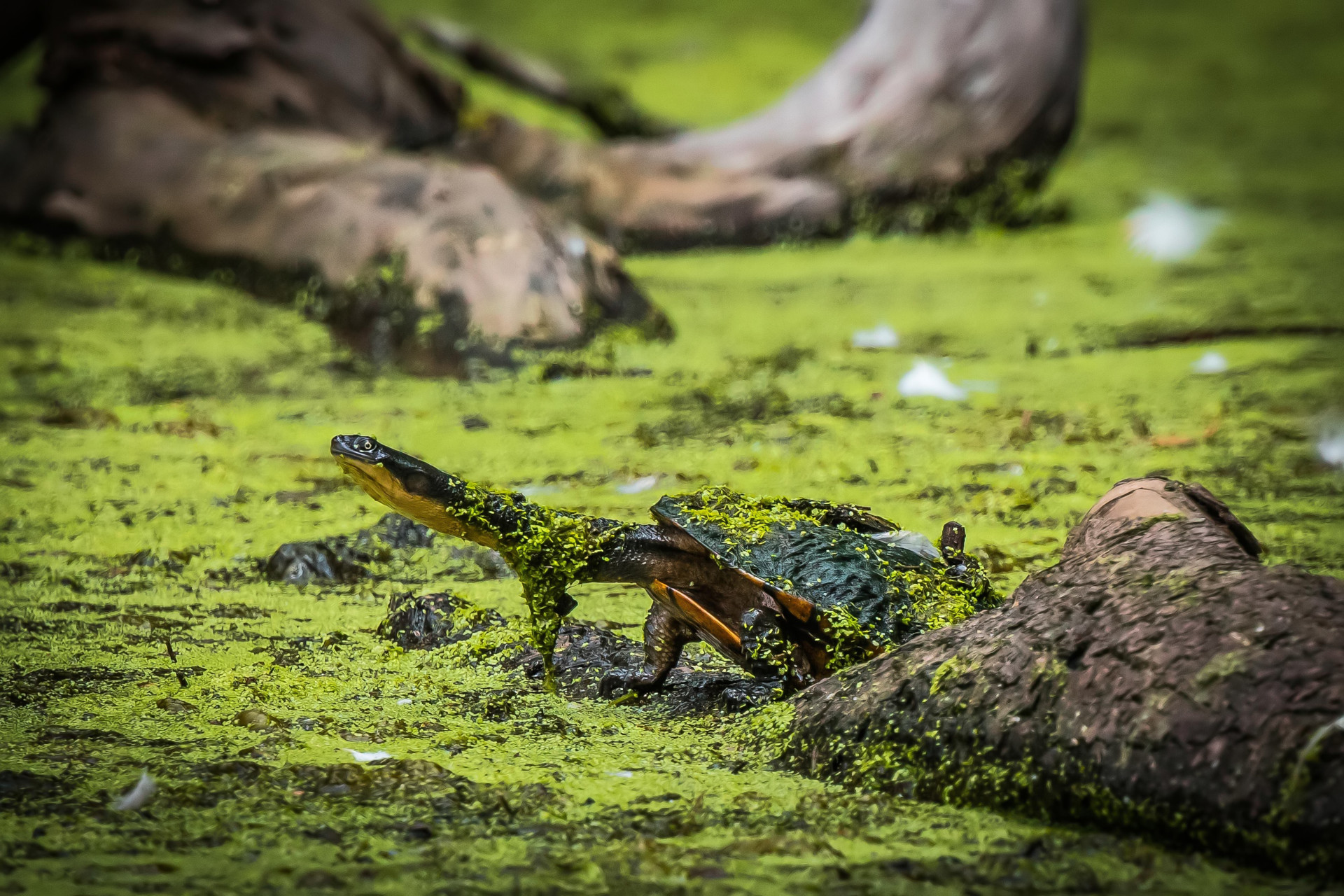
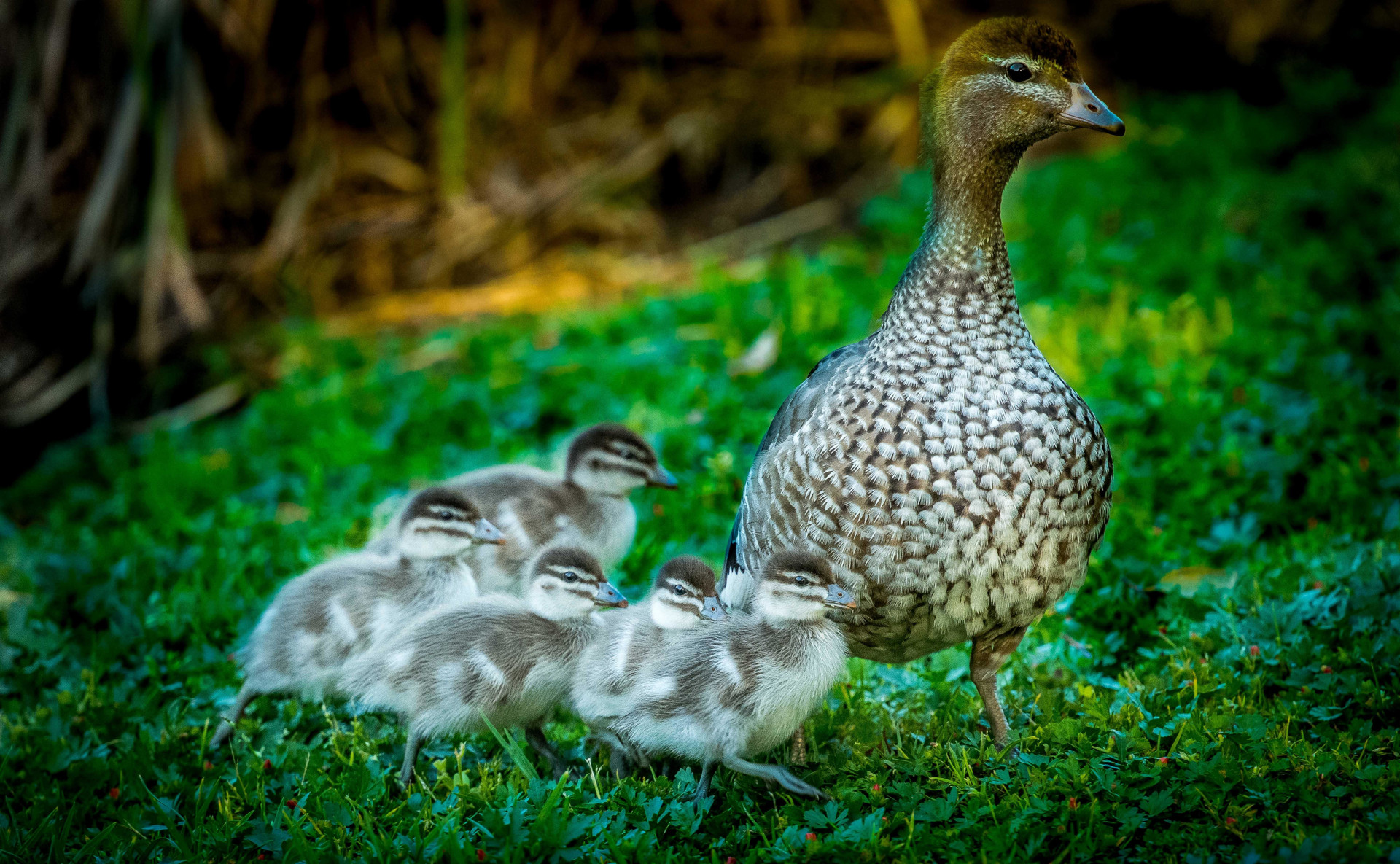
Wildlife on this Walk
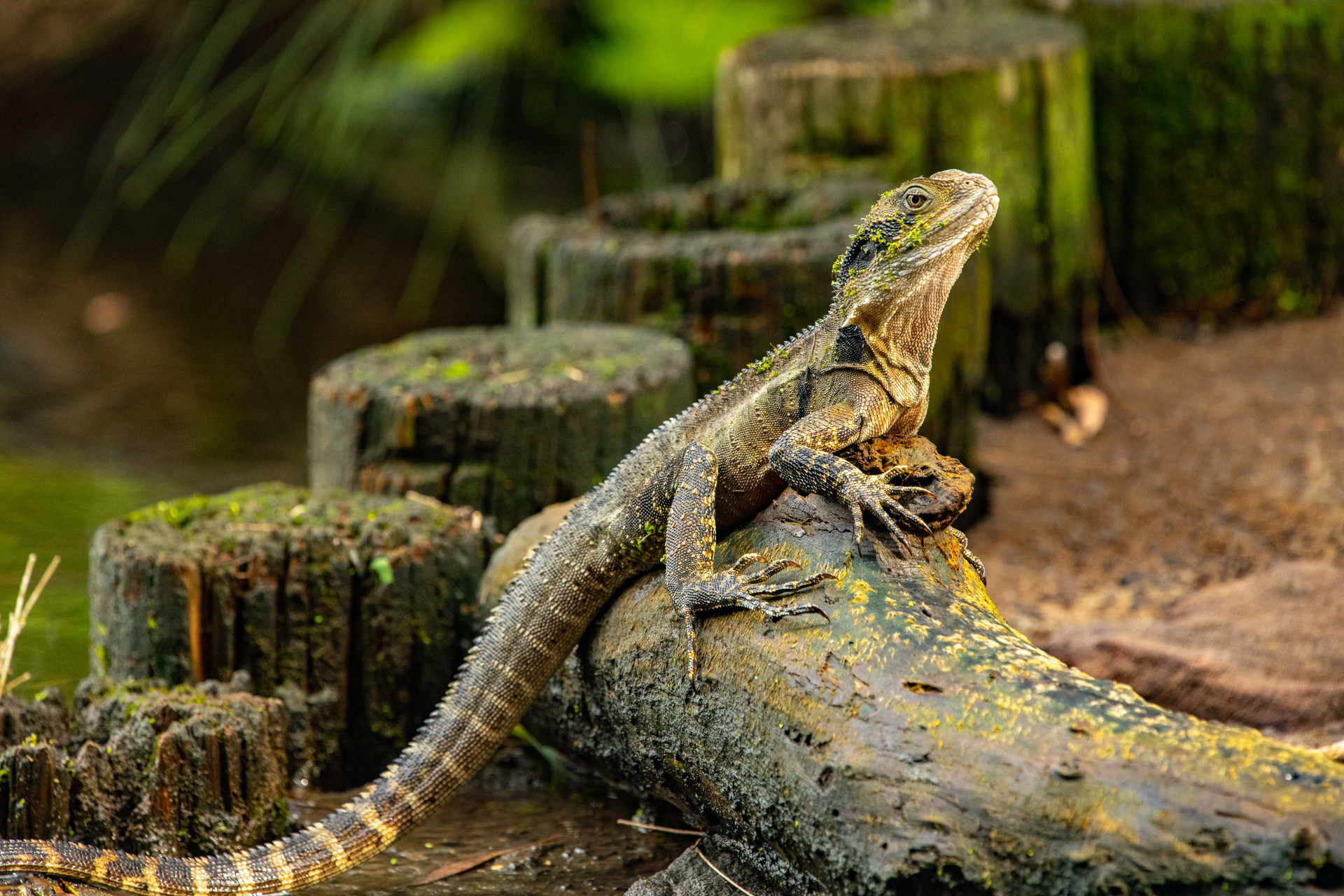
Eastern Water Dragon
Intellagama lesueurii lesueurii
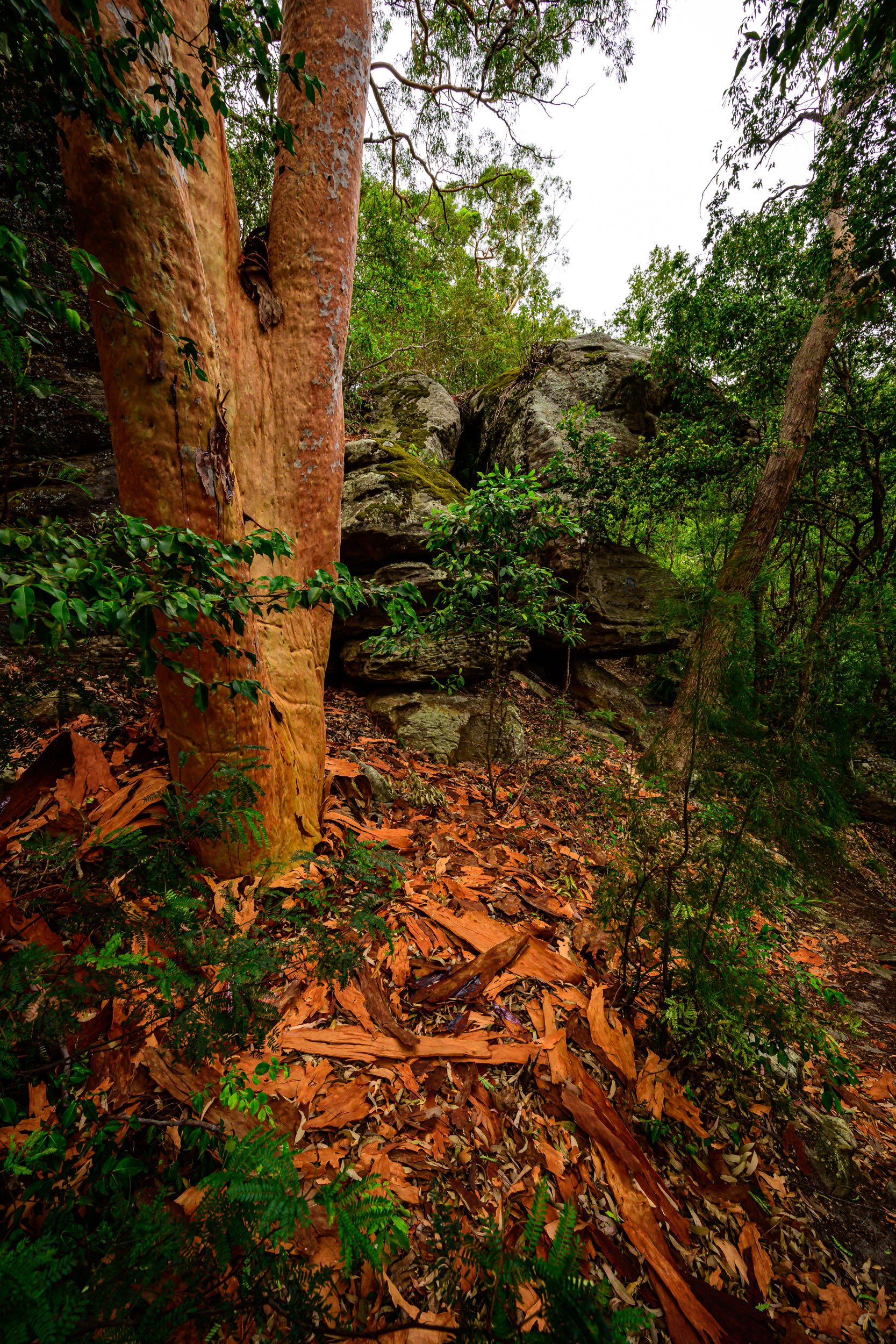
Sydney Red Gum
Angophora costata
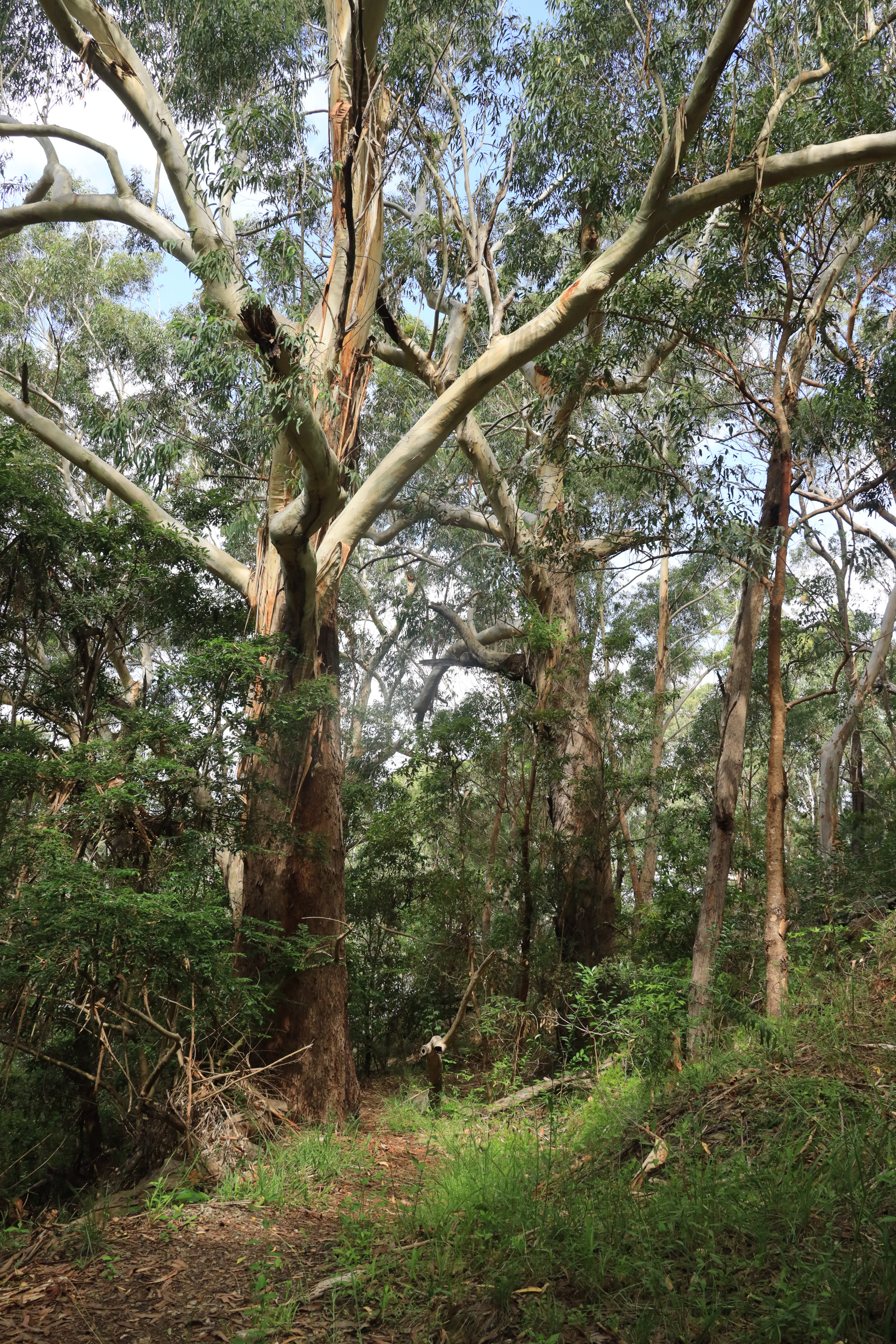
Blackbutt tree
Eucalyptus pilularis
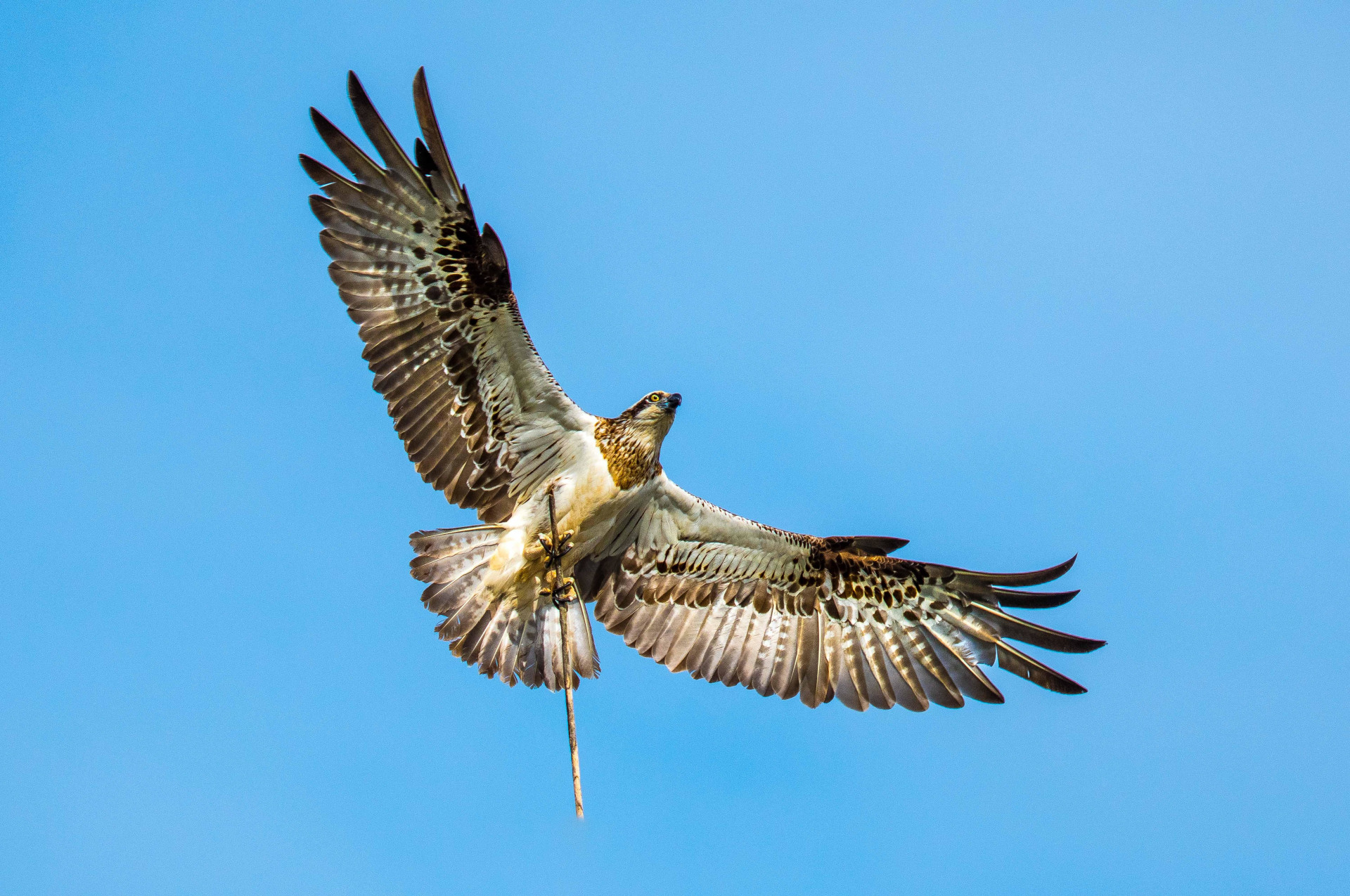
Osprey
Pandion haliaetus
Chestnut Teal
Anas castanea
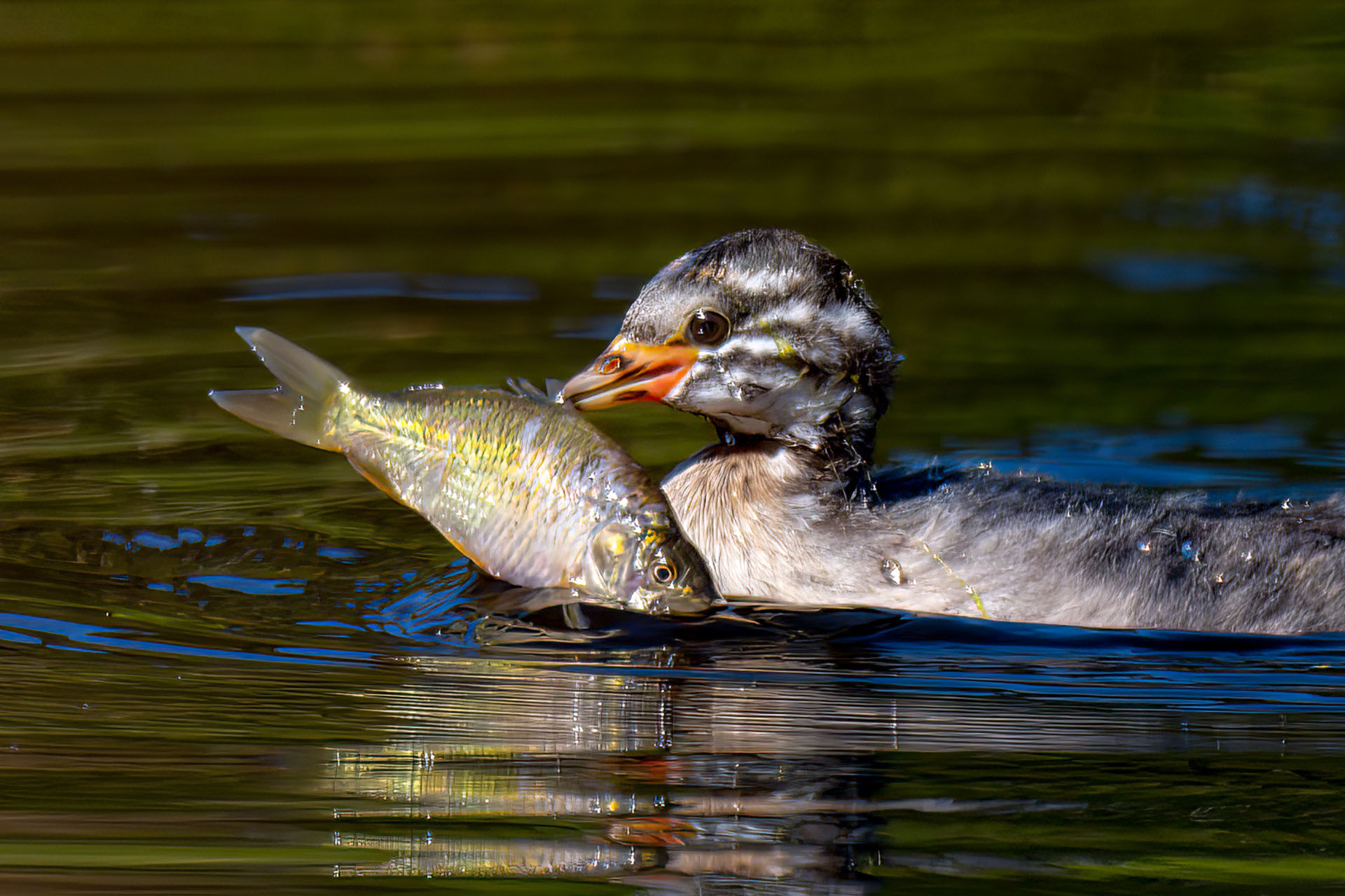
Australasian Grebe
Tachybaptus novaehollandiae
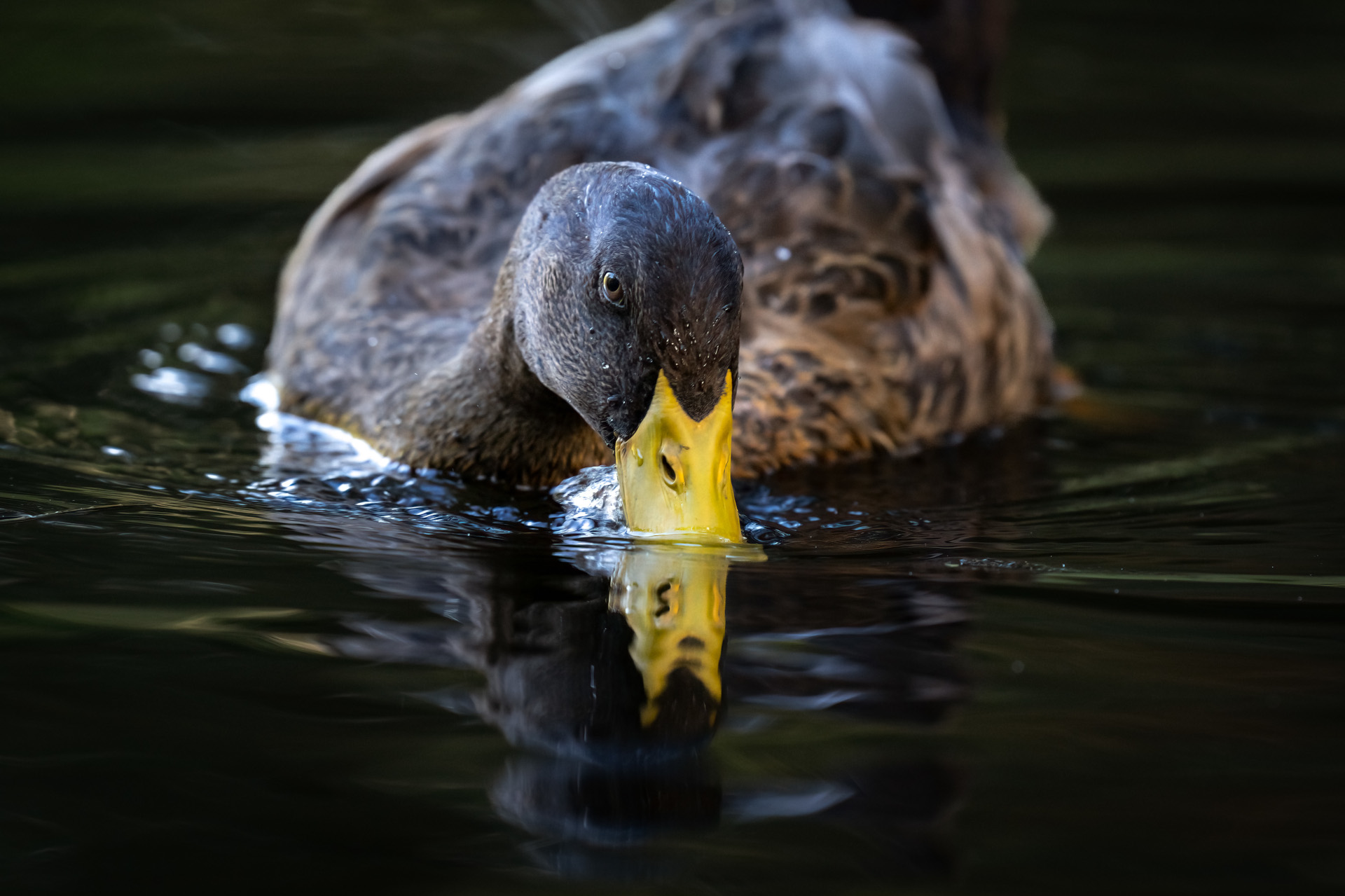
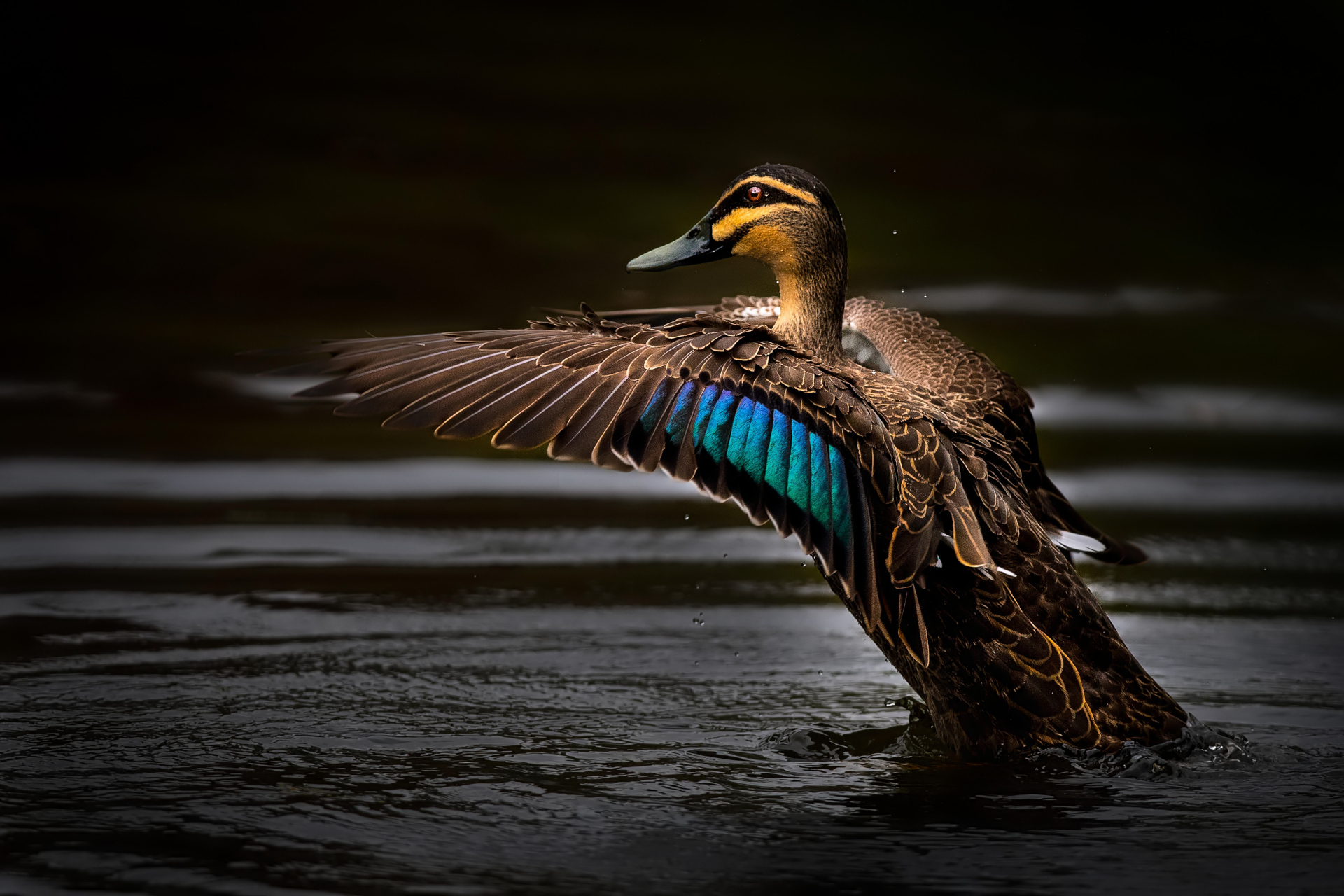
Pacific Black Duck
Anas superciliosa
Common Glider Dragonfly
Tramea loewii
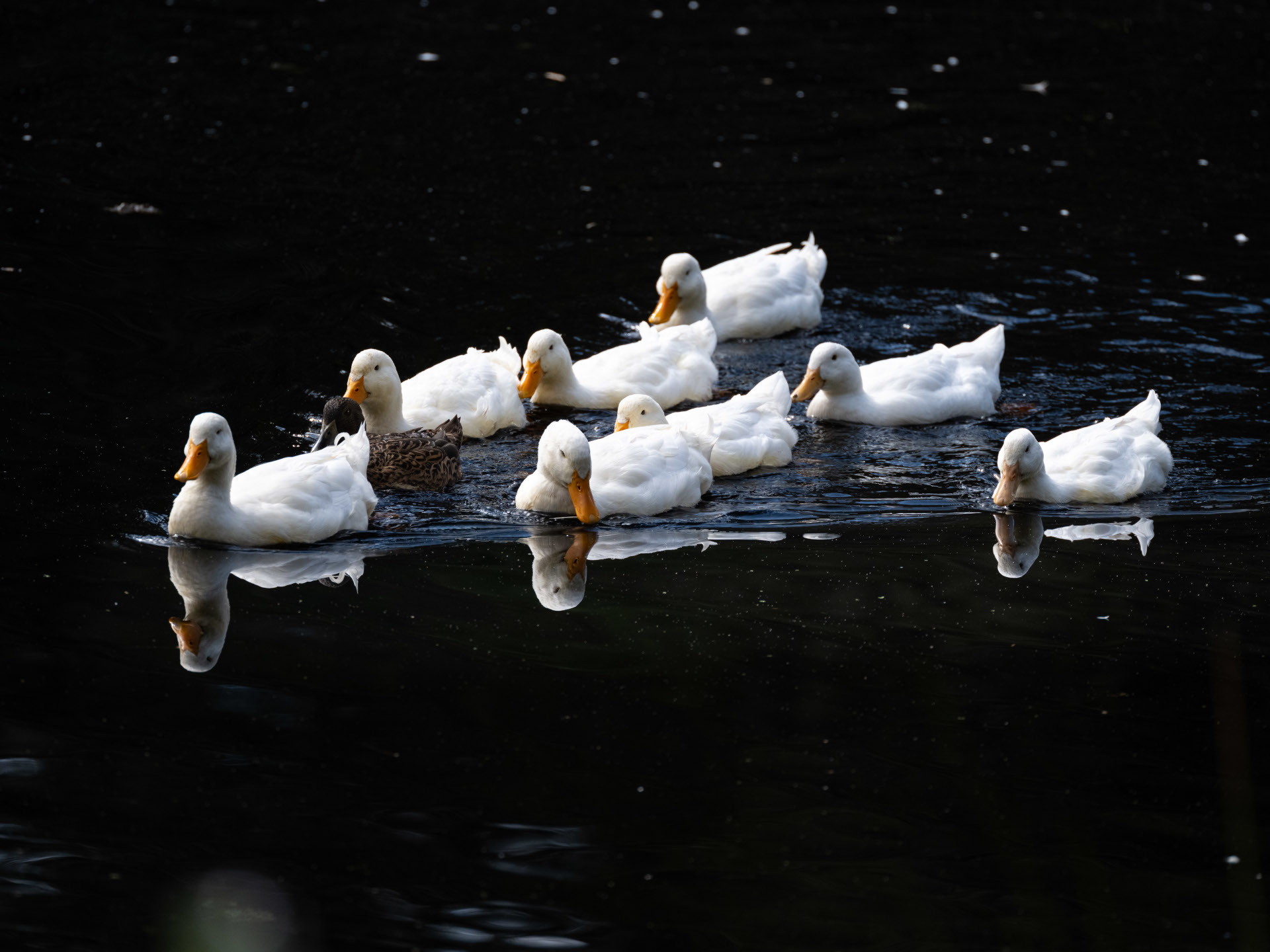
White Pekin Duck
Anas platyrhynchos domesticus
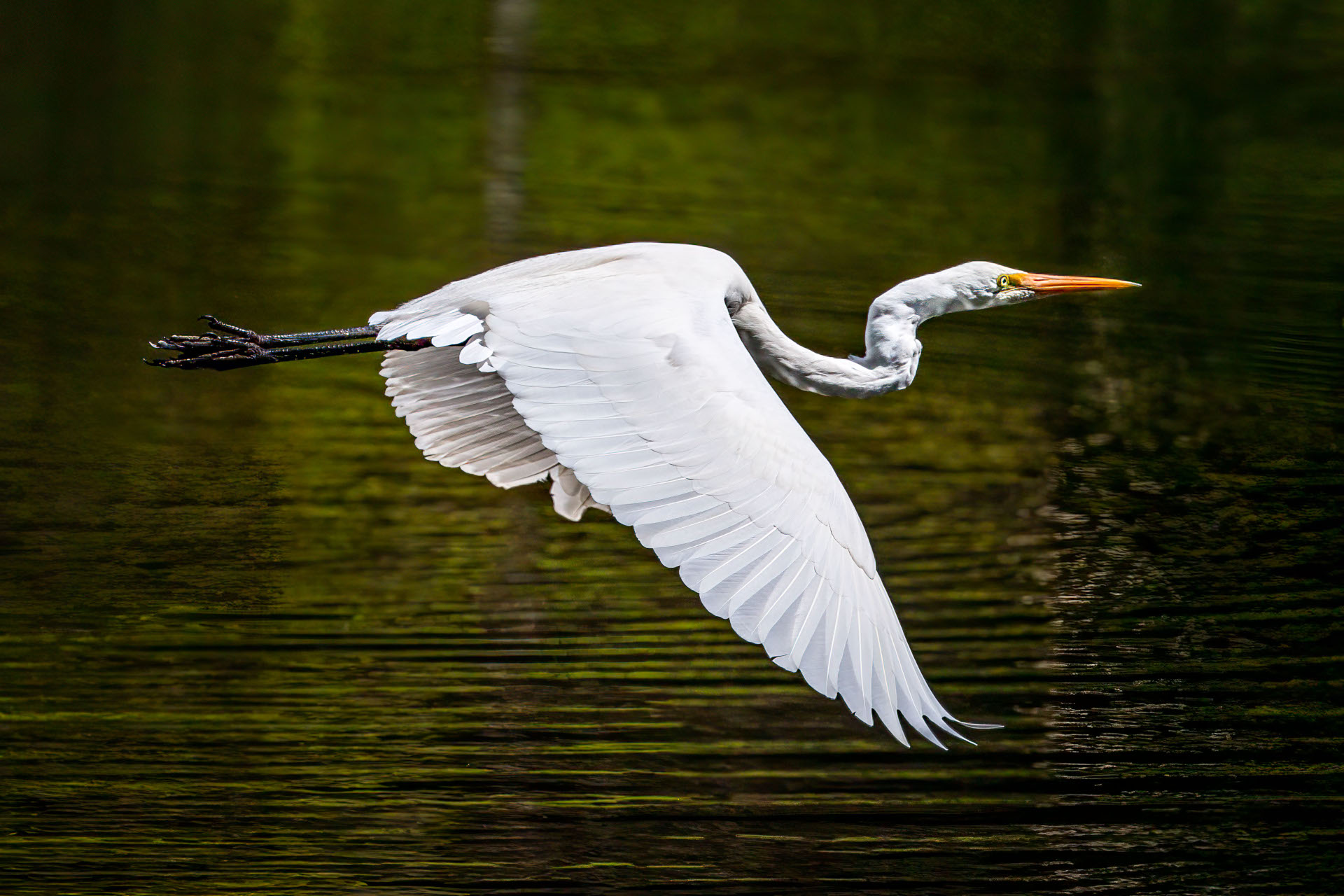
Eastern Great Egret
Ardea alba modesta
Rainbow Lorikeets
Trichoglossus Moluccanus
Little Pied Cormorant
Microcarbo melanoleucos
Eastern Long-necked Turtle
Chelodina longicollis
Australian Wood Duck
Chenonetta jubata
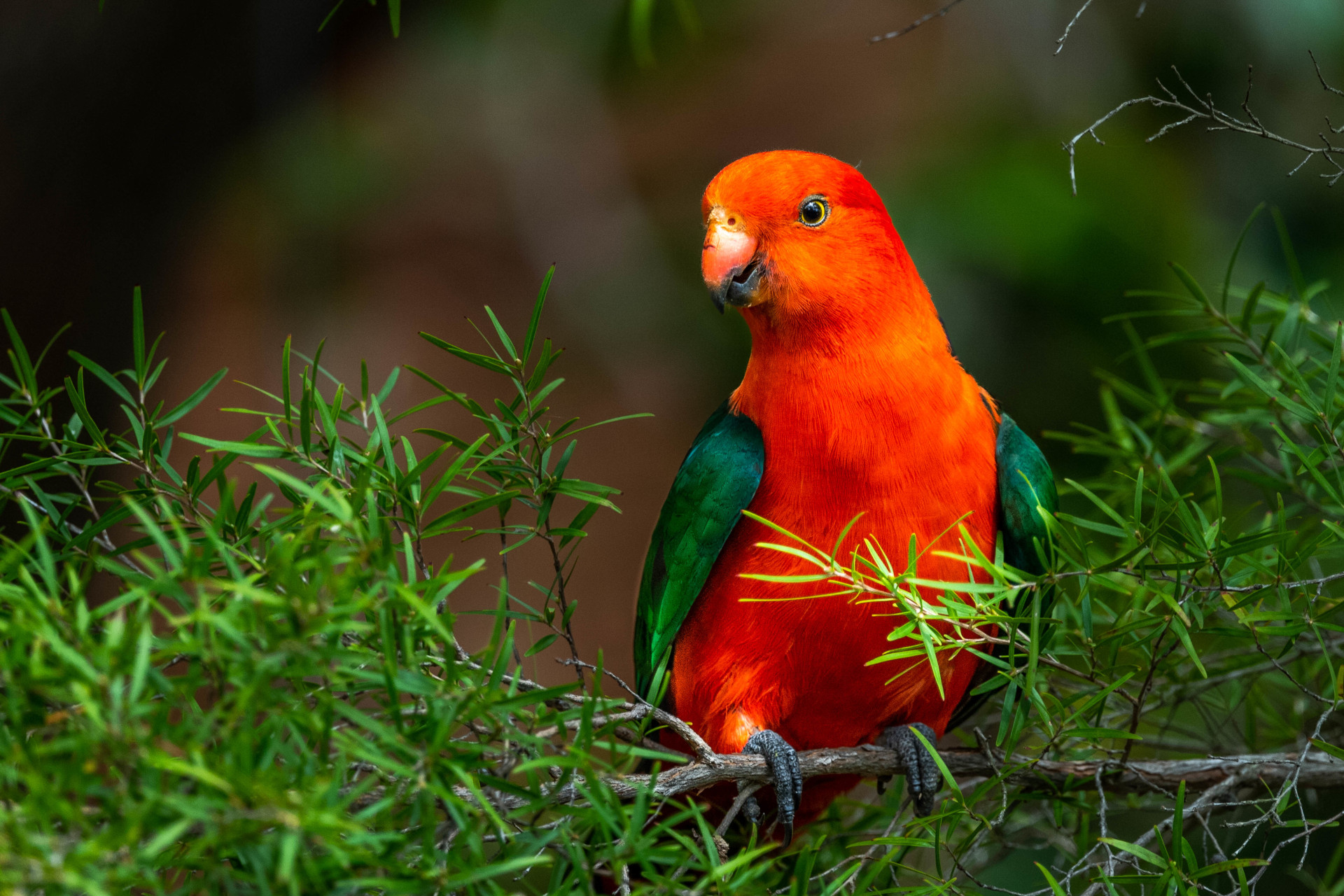
Australian King Parrot
Alisterus scapularis
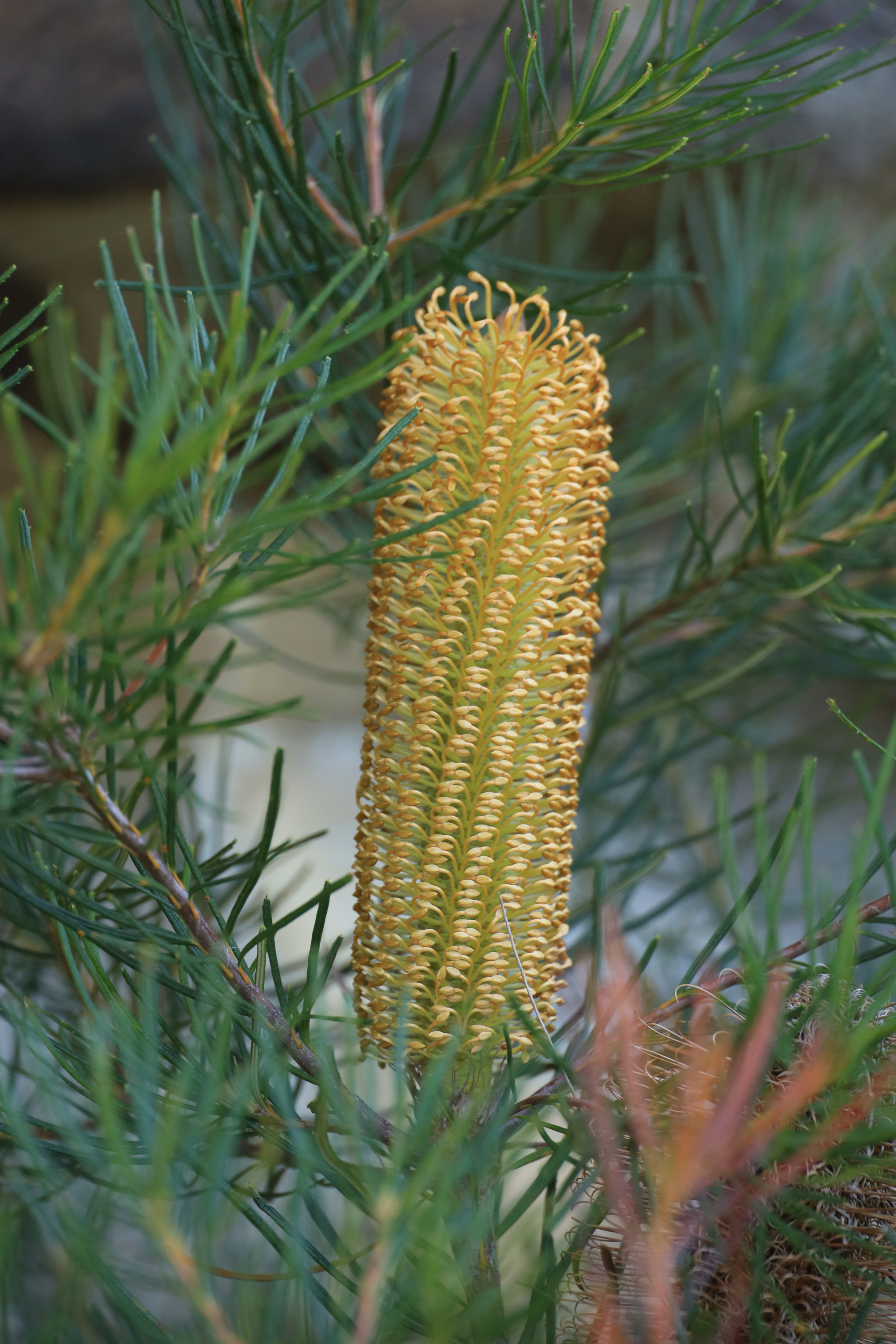
Hairpin Banksia
Banksia spinulosa
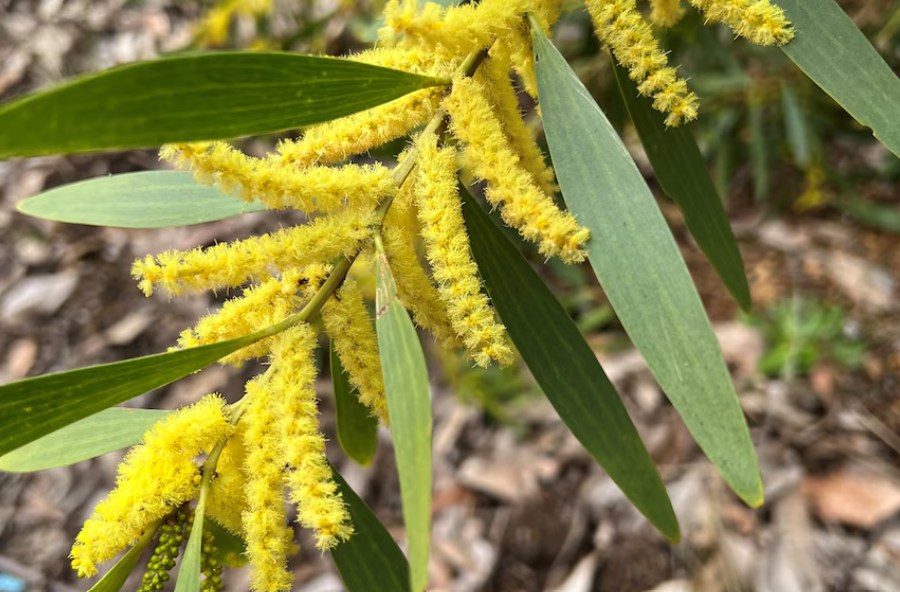
Sydney Golden Wattle
Acacia Longifolia
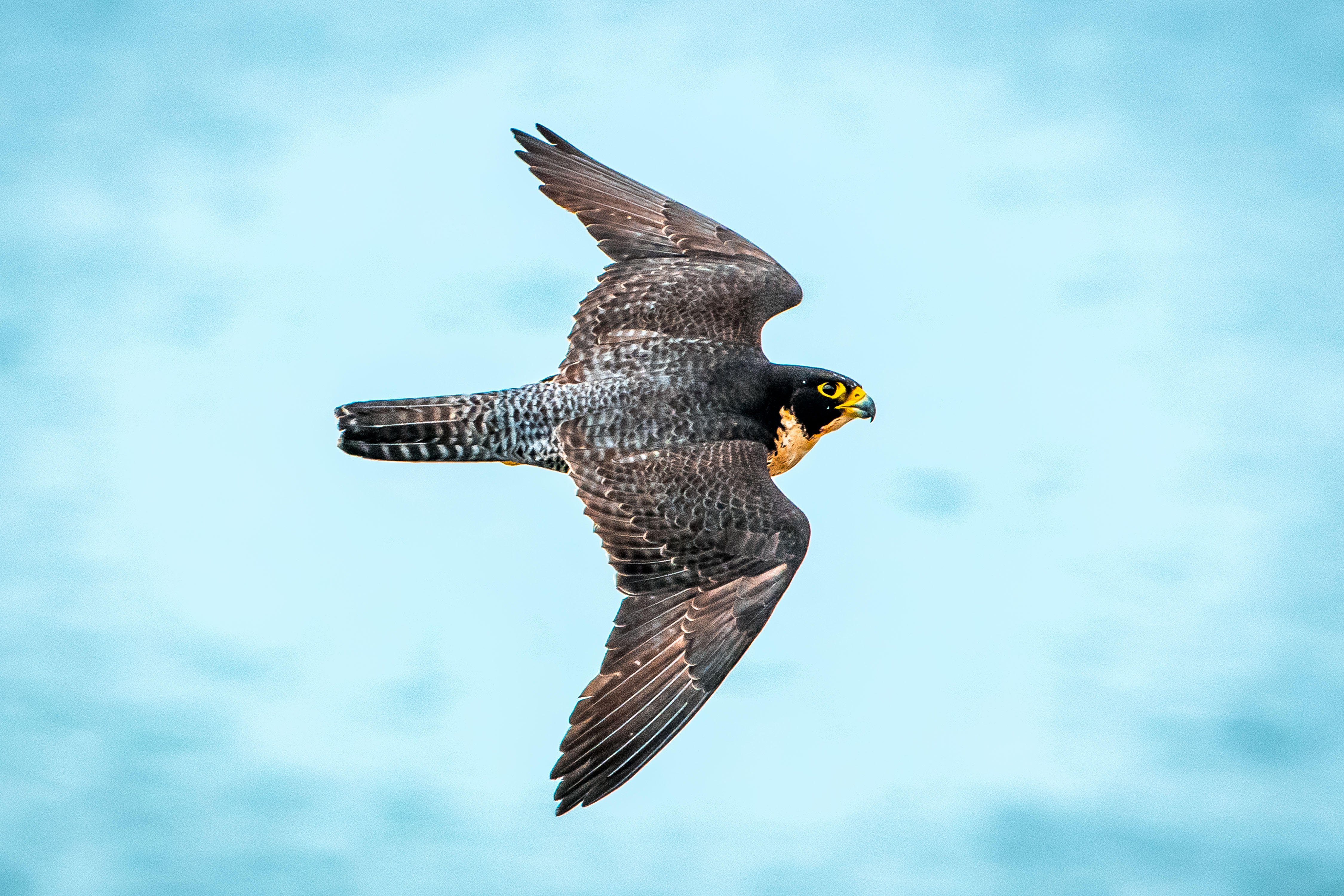
Peregrine Falcon
Falco peregrinus
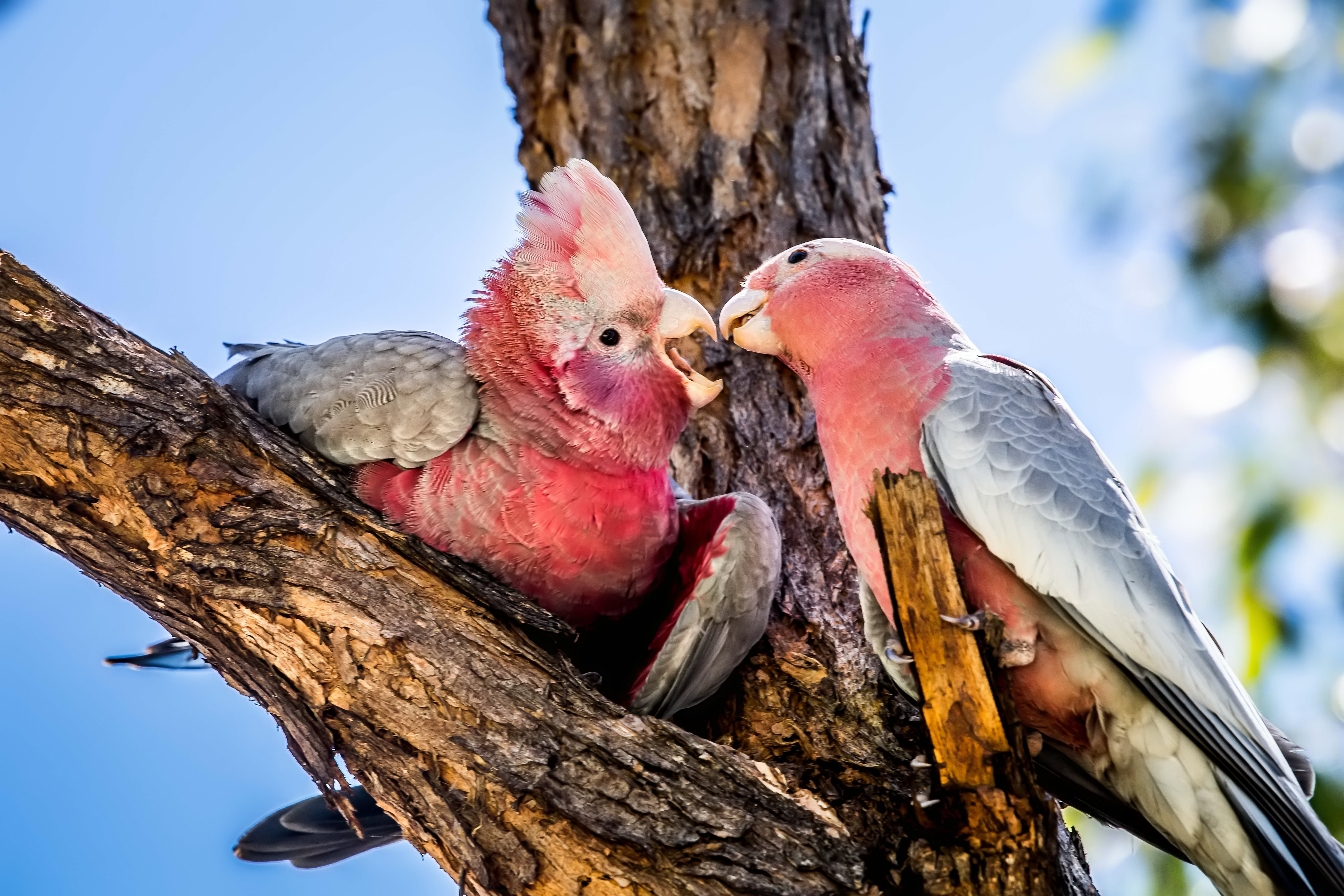
Galah
Eolophus roseicapilla
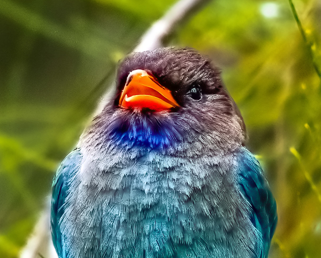
Dollarbird
Eurystomus orientalis
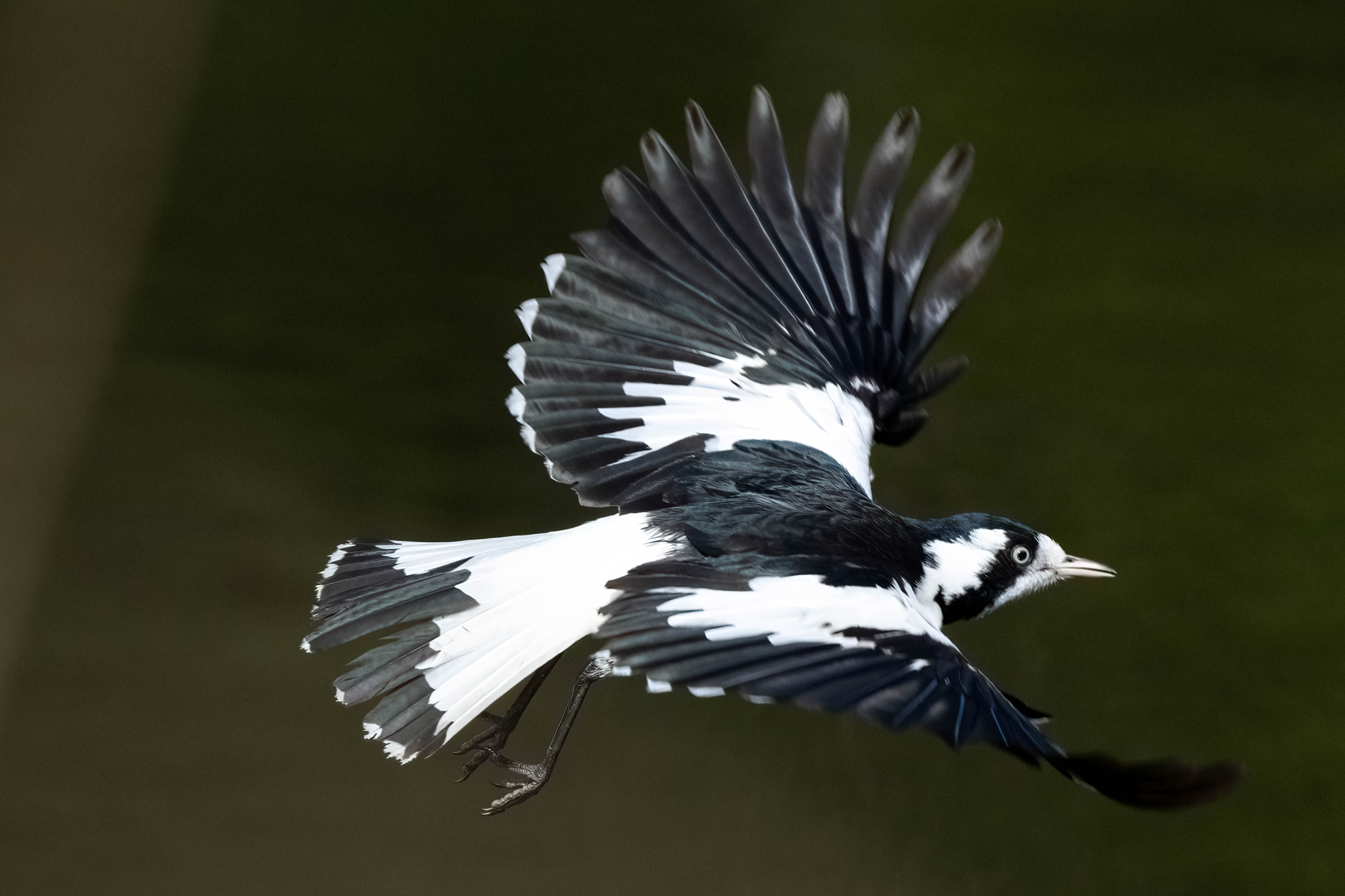
Magpie-lark
Grallina cyanoleuca
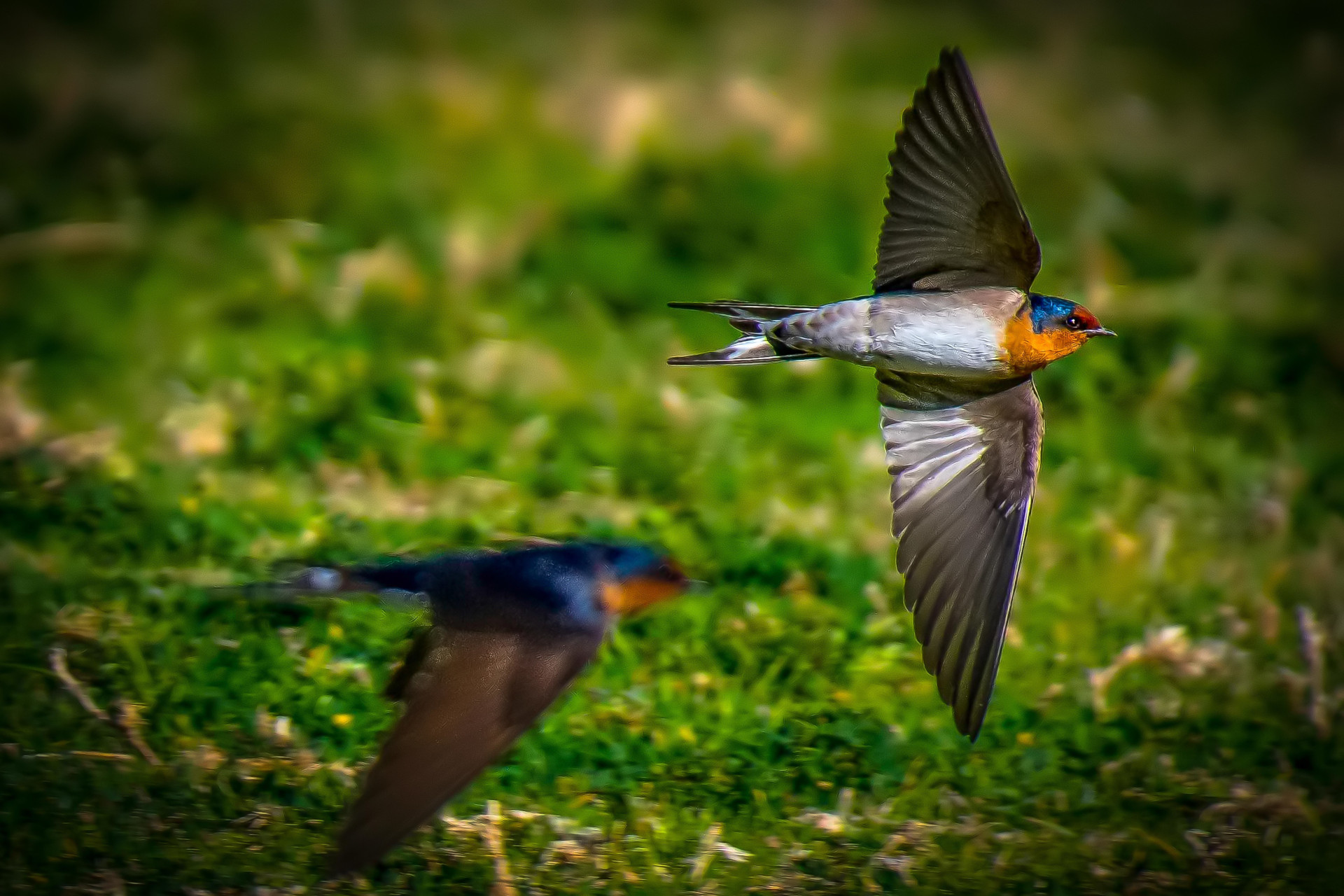
Welcome Swallow
Hirundo neoxena
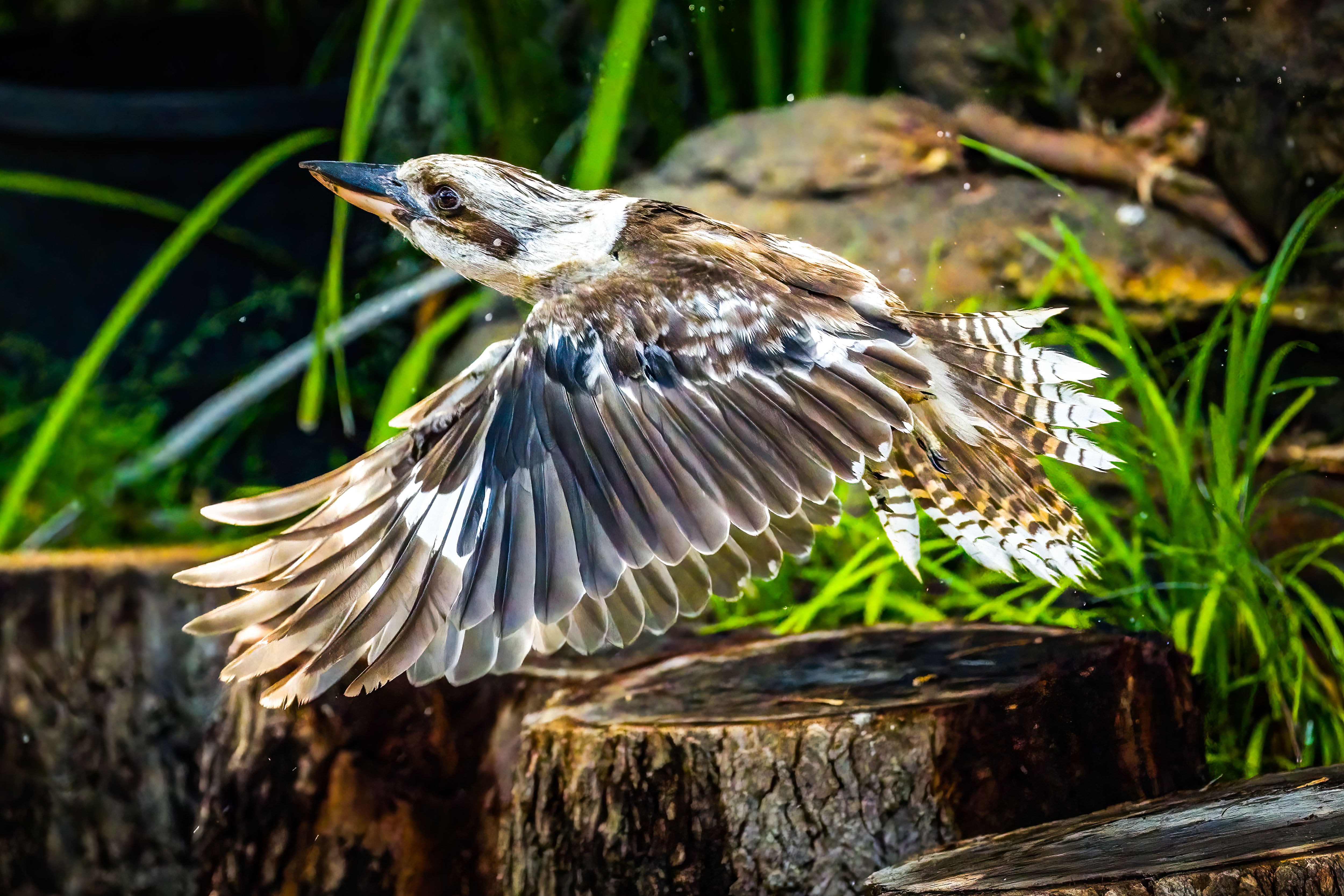
Kookaburra
Dacelo novaeguineae
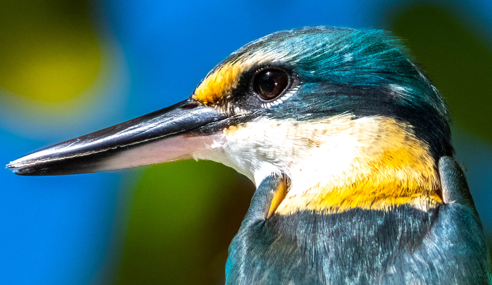
Sacred Kingfisher
Todiramphus sanctus
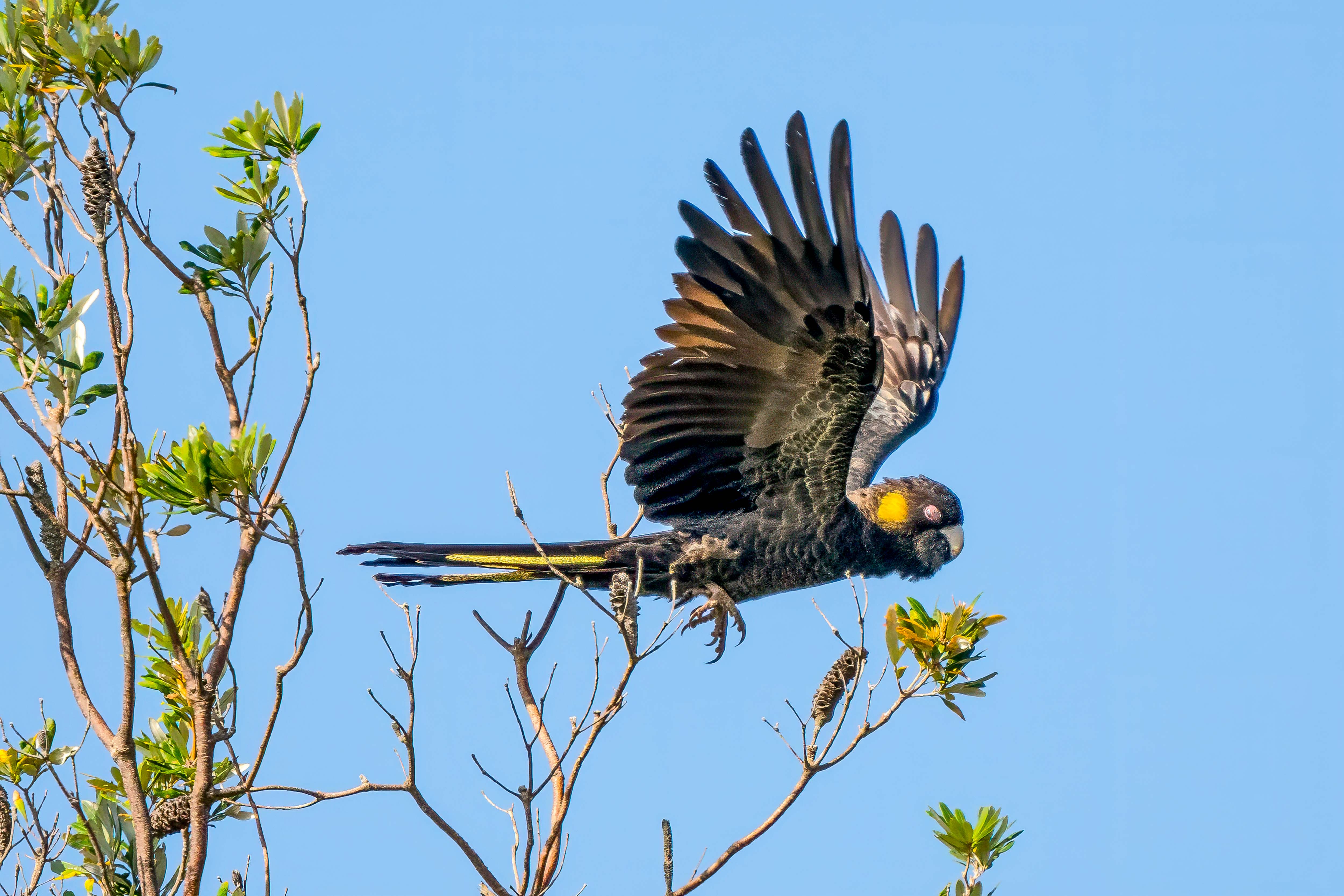
Yellow-Tailed Black Cockatoo
Zanda funerea
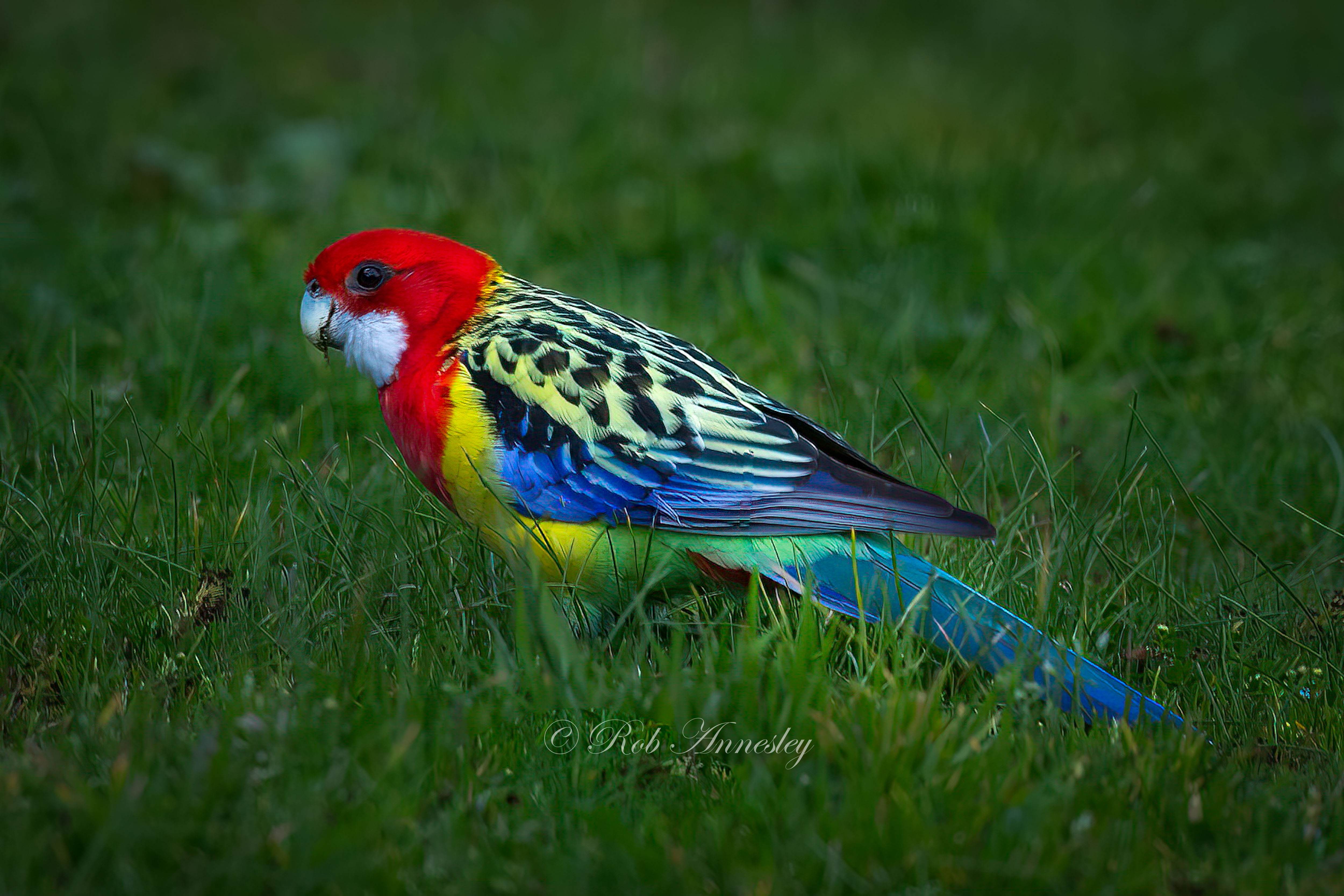
Eastern Rosella
Platycercus eximius

Points of Interest

The circular impression forming Evatt Park is the eroded crater of a Marr-Diatreme volcano that scientists believe was active between 150 - 200 million years ago. It’s just a portion of the long, convoluted history of this site that’s worth exploring. On January 20, 1788, Second Lieutenant Philip Gidley King, and his crew from the HMS Supply, set out in a rowboat from Botany Bay, searching for fertile land and fresh water. They landed at Gertrude Point, Lugarno, and walked uphill until they reached the fertile volcanic soils in this area (Evatt Park). However before they could discover the fresh water stream nearby, they were confronted by 12 local indigenous people who threatened them with spears as a warning to go away. Forward to 1831 when this land became part of the first land-grant made in Lugarno, to Thomas Greenwood Lawrence. Under conditions of the grant, he was required to clear and cultivate 22 acres by 1833. As the grant was 120 acres, he was entitled to apply for convict labour in return for food and clothing. Initially he received two convicts and a third later. This area was both an orchard and later market gardens. In the 1960s there was pressure for the rezoning of market gardens to permit residential development. Fortunately, with great foresight, the County of Cumberland Planning Scheme had reserved the market garden area for recreational purposes in 1951. Despite being aware of the fact, Shirley Constructions bought the site in 1963, hoping the land would be rezoned. The Lugarno Progress Association, residents, and eventually Hurstville Council agitated for three years until the State Planning Authority resumed the market garden in 1965, and handed it to Hurstville Council who named it H.V. Evatt Park.

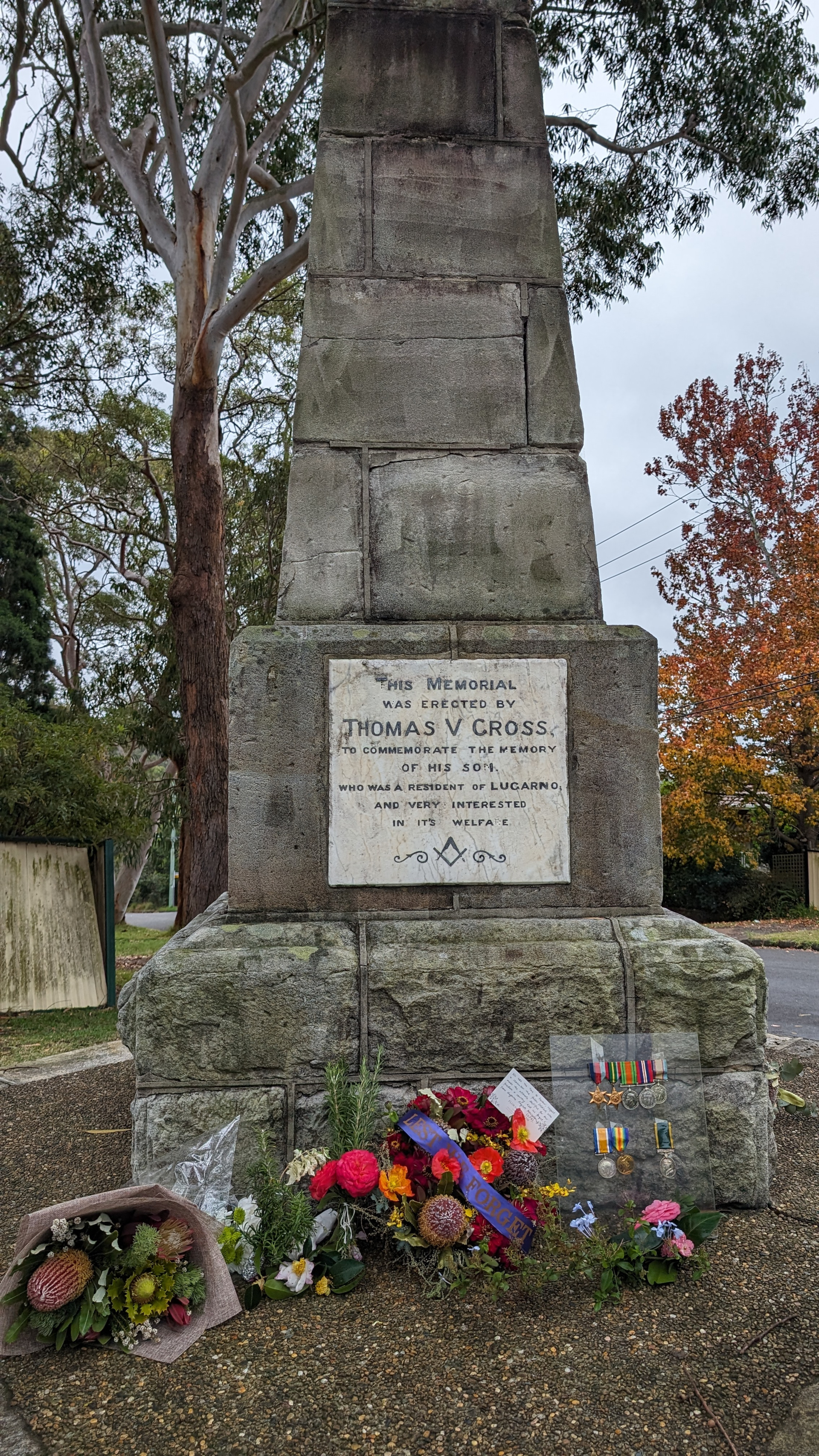
Located on the corner of Forest Road, Old Forest Road and Ponderosa Place, this monument was erected in memory of William Cross. William was a sapper in the 6th Field Company of Australian Engineers, who was killed in action at Pozieres in 1916. His Father, Thomas Cross, had originally erected the monument outside his house in Moons Avenue before it was eventually relocated to its present site. Thomas Cross was a member of Hurstville Police Force, before becoming an Alderman in Hurstville Council between 1914 and 1922.

There were 17 children in the first class in Lugarno school in 1933. The residents had fought for six years and a one-room yellow ochre classroom was the realisation of a dream. Two toilet sheds had been constructed in the bush at the back of the school but on the first day they realised no one had thought to order the pans! Following complaints to the Education Department, the issue was resolved and John Hannon, a local sanitary man, engaged to empty the pans once a week for sixpence a pan. As the school was set in the bush, children were warned to be wary of snakes and bull ants. The family next door to the school sold milk from their cows to the children for one penny a cup. Due to dwindling enrolments, the school closed in 1944 but reopened the following year. In 1950, the school was given primary school status and a second room and small office were added, and a year later a double aluminium classroom was erected to help cater for the 118 children enrolled. There were no school uniforms in those days and many children came barefooted. By 1955, enrolments had mushroomed, and local church halls were used for lessons until new classrooms could be added. The brick building was added in 1960.

This old shop is the site of the first service station in Lugarno, run by August Zoeller and his son, Emil. They opened it in 1929, hoping to capitalise on the traffic going to and from the ferry. Sadly, when the Great Depression hit, traffic declined, and the business closed. It became a residence until 1945. After the war, August’s daughter, Madeline, and her mother, reopened the shop as a general store, providing a vital service for the community who had previously had to travel out of Lugarno for groceries, cigarettes and other everyday commodities. It became a gathering place for the neighbourhood, a place to catch up on the latest local news, and in 1949 it also became the post office. Today it remains a part of Lugarno’s history and the Bushells tea sign, still visible on the side of the building, is particularly significant. These signs which are iconic ‘ghost signs’, represent the historic marketing campaigns of the early 20th centuries. Bushells and other companies kept sign writers in full time work painting their signs on walls all over the country.

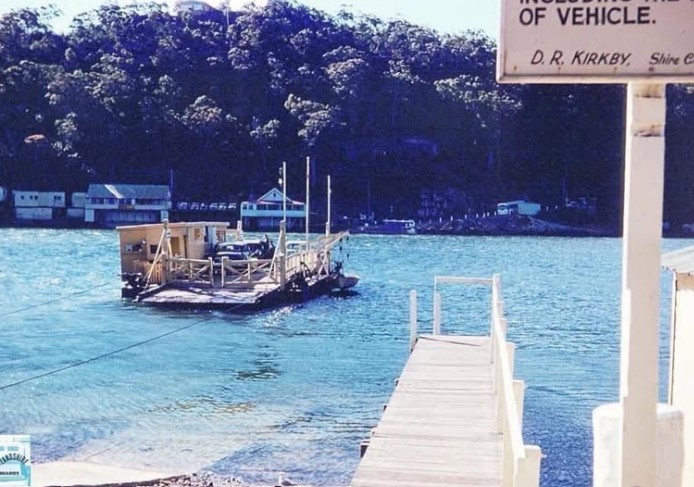
Lugarno Ferry was the second vehicular ferry in Australia and its history spanned 131 years. The Government began construction on a bridge to span the river but abandoned it, choosing a ferry as a cheaper option. In 1843, Charles Rowan was paid 20 pounds per annum for a hand-winched punt to cross the river. He was permitted to charge a toll, but he often went days without seeing another human being and eventually was left destitute. The next seventeen years saw a series of ferrymen also fail because the road on either side was precarious, especially in bad weather, so traffic was scarce. The ferry was discontinued in 1860. 27 years later the service resumed. Market gardeners from Menai used the ferry to take their produce to the Sydney markets three days a week, by horse and cart, an enormous climb up punt hill with a heavily loaded cart. It wasn’t until 1930 that a six-car vehicular ferry became operational and a 16-car ferry in 1961. With the opening of Alfords Point Bridge, ferry traffic dropped drastically but, despite deputations and protests from local residents who used the ferry daily, the service closed in December 1974. Many families in Menai and along the river, whose children used the ferry to travel to school, had to row them to Lugarno. The remains of the ferry can be seen on the site today.

Peter’s Boatshed sat next to the ferry; one of the busiest areas in Lugarno in those days. It provided bait, boat hire and refreshments and became a hub for fishermen and those wanting a day on the river. Adolph Peters and his wife, Florence ran the boatshed from 1912. They also provided a bus service, running 5 buses a day, but the roads were little more than rutted rock and dirt, so buses were frequently damaged, and his service was discontinued. Adolph also ran the only telephone office at the boatshed. It was quite a hub in those days, and Adolph became a vital part of providing services to the community. When Adolph’s health declined, his son, Henry, and his wife, Gladys, took over the business. Gladys ran a small shop and Henry managed the boatshed and boat hire. It was demanding work because people wanted to fish at all times of the day and night, in fact all-night fishing excursions were a regular occurrence. A small dance hall was built on top of the boatshed and a jazz band played for the dancers. When the dances were discontinued, the hall became a pottery workshop and eventually was taken over by Vera and Branco Ziher who turned it into a restaurant, called, Brancos. It is now the Lugarno Seafood Restaurant.

The land behind the boatshed was sold in the 1920s as part of a subdivision known as Lugarno Bay Estate. Blocks could be purchased for three pounds and the balance in six-monthly payments with 5% interest payable quarterly. The houses along the waterfront from the ferry to Little Moons Bay, were holiday cottages. The Broderick family, who had come from Northern England, were the first to build and gradually others from the same area of the UK joined them. A real community of people developed, and they worked together to create what was known as Pommie Point. They built boathouses, stone walls and paths and put a shark proof net between the boathouses to provide safe swimming as sharks were a constant threat.

The Petrie family moved to Lugarno in 1932 and Edith Petrie opened a Tea Shoppe opposite punt hill. She served morning and afternoon tea, ice cream and lollies. Sometimes the tables were cleared away and Edith organised concerts for the community, in the big open area. An early entrepreneur who saw the opportunity to serve people going to and from the ferry and create an income.
This project is proudly funded by the Australian Government.